Understanding the Mattress Recycling Fee in 2026
A mattress recycling fee is a charge you pay when you buy a new mattress. This fee is not a tax; it is the cost of responsibly breaking down and repurposing your old mattress. The money goes directly to state-approved recycling programs that keep massive, bulky mattresses out of landfills.
You will typically see this fee on your receipt in states with established recycling laws, like California, Connecticut, and Rhode Island. We found that the fee usually ranges from a few dollars to over twenty dollars per mattress. It also applies to box springs and foundations, not just the mattress itself. The fee helps fund the entire process of collecting, transporting, and dismantling old bedding materials into new raw products like steel, foam, and wood.
- It is a legal charge in specific states, not a store markup.
- You pay it up front on a new mattress purchase to fund future recycling.
- It is usually $10 to $30 per mattress, depending on your state’s program.
- It covers box springs and foundations, because they are bulky waste too.
- It keeps millions of pounds of waste out of landfills every year.
Below, we walk you through exactly how these state programs work, what happens to your old mattress, and how to check if you are paying this fee legally. Our mattress buying guide walks you through choosing the right bed before you pay any fees.
Understanding the Recycling Fee on Your Receipt
So you just bought a new mattress, and the receipt shows a “mattress recycling fee.” We found that many shoppers mistake this for a store markup. It is not. It is a legal charge that state governments created to solve a big problem — millions of old mattresses piling up in landfills.
The fee collects money at the point of sale. That money funds programs that pick up, transport, and dismantle old mattresses. You pay it now to ensure your old mattress gets recycled later. Think of it like a small deposit on a bottle, but for a giant piece of furniture.
Where Do These Fees Apply?
Right now, only a handful of states have official mattress recycling programs. California, Connecticut, and Rhode Island were among the first to pass laws. Since then, Oregon, and some parts of other states have joined. We found that each state sets its own fee amount and has its own rules about who pays.
If you live in a state without a program, you might still see a charge. Some retailers charge a separate haul-away or disposal fee. That is different from a government recycling fee. Always check your local laws to know what is required.
Why Not All States Have One
Most states haven’t passed recycling laws yet. That is partly because the mattress industry lobbied for a national program, but that effort did not fully succeed. So, state-by-state rules remain the norm. We found that new laws are proposed every year, so your state may add a fee soon.
How the Mattress Recycling Fee Works
When you buy a new mattress, you pay the fee upfront. The retailer collects it and sends the money to a state-approved nonprofit. That group manages local recycling facilities and coordinates pickups. The whole system exists to keep bulky items out of the waste stream.
Here is the key chain of events. You pay the fee at checkout. The retailer remits the fee to the state program. The program funds recycling processors. Those processors break down your old mattress into raw materials. Nothing goes to a landfill if it can be saved.
What Counts as a Mattress?
The fee usually covers more than just a standard mattress. Most states include box springs, foundations, and even futons in the definition. Some programs also collect adjustable bases. If you are unsure, check the fine print on your receipt.
We found that mattress toppers and pads are generally excluded. Those are too small to justify the expensive dismantling process. They usually go in the regular trash, though some curbside programs accept them.
What About Children’s Mattresses?
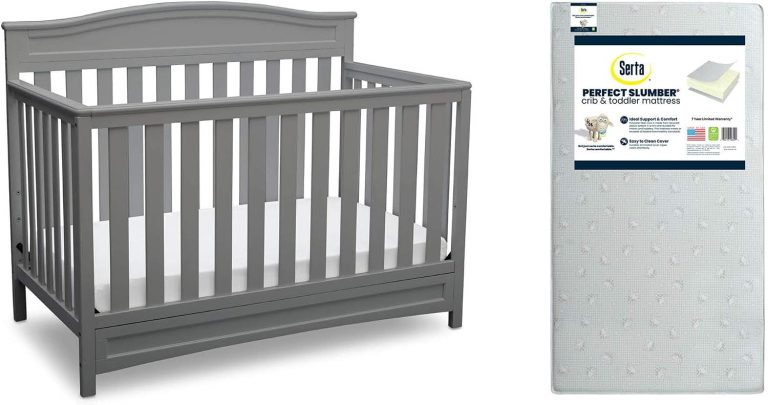
Crib mattresses and toddler beds are often covered too. But some states exempt them because they are much smaller. Call your local program before buying a crib mattress if you want to be sure.
The Real Cost of the Fee
You might be wondering if the fee is a rip-off. We found that it is a necessary cost of proper waste management. Without it, your old mattress would sit in a landfill for hundreds of years. Most states charge between $10 and $30 per mattress.
| State | Typical Fee Range | What It Covers |
|---|---|---|
| California | $10.50 per unit | Mattresses, box springs, foundations |
| Connecticut | $10 per unit | Mattresses, box springs |
| Rhode Island | $20 per unit | Mattresses, foundations |
| Oregon | $10 to $22 per unit | Varies by program area |
That cost is tiny compared to the landfill toll. A mattress can take over 400 years to decompose in a landfill (per environmental research). Plus, old mattresses take up huge amounts of space. One pickup truck can only hold about four mattresses.
Who Actually Pays the Fee?
The consumer always pays it. Retailers pass it straight to you. You cannot avoid it when buying a new mattress in a regulated state. But there is a silver lining when you buy from a dealer that participates in the program. They must take back your old mattress at delivery time. That convenience is baked into the fee.
Some online sellers have tried to charge the fee even when shipping to states without recycling laws. That is a red flag. We found that you should ask for a breakdown of charges if anything looks off. Transparency is your friend.
What Happens to Your Old Mattress After Pickup
Ever wonder what the recycling facility does with all that foam and steel? We found that about 80% of a mattress gets recycled into new products. The process starts with manual dismantling, which takes about 10 minutes per mattress.
Workers cut away the fabric and foam. They pull out the springs and metal coils. Each part goes into its own bin. That steel melts down for new construction materials. The foam gets shredded and becomes carpet padding or insulation.
From Old Mattress to New Products
Here is what happens to each component:
- Steel springs – recycled into rebar or new metal products.
- Foam layers – shredded into carpet underlay and upholstery batting.
- Wooden frames – processed into wood chips for gardens or fuel.
- Cotton and fabric – cleaned and turned into oil filters or cloth.
- Cardboard and paper – sent to traditional recycling plants.
Some states even require the program to report on recycling rates annually. That data shows how much material actually went back into the economy rather than to a dump.
Can Anything Be Fully Recycled?
The truth is, some parts are tough. Mixed-material padding is hard to separate. We found that the remaining 20% goes to landfill or incineration. Still, the industry continues to improve. New machinery now sorts foam more efficiently than ever before.
Finding Where Your Fee Goes
If you want accountability, look up your state’s recycling program name. Most states have a public website with annual reports and financial audits. These reports show how many mattresses were recycled last year and what it cost per unit.
We found that the fee is not a general tax. It is a user fee. Every dollar collected goes toward mattress recycling. If a program collects more than it spends, the surplus rolls into the next year’s budget. No politician can tap it for other uses.
How to Check if Your Fee Is Legit
Unsure if the fee on your receipt is valid? Follow this simple checklist:
- Confirm your state has a law – check your state’s department of environmental quality site.
- Read the receipt line – it should say “recycling fee” or “solid waste fee.”
- Ask the retailer – they must explain the charge in plain language.
- Compare the amount – it should match your state’s published rate.
- Look for an official program name – like Bye Bye Mattress in California.
Many experts say that a legit fee always comes with an educational note on your receipt. If you see just a random dollar amount with no label, ask for an itemized receipt.
At the end of the day, the fee is a small price for a cleaner planet. The next time you see it, you will know exactly what it funds. And when your old mattress gets picked up, you can feel good knowing it has a second life ahead of it.
Conclusion
You now know that the mattress recycling fee is not a sneaky store markup. It is a state-mandated charge that pays for your old mattress to be broken down and repurposed. We found that the fee is your direct investment in keeping hundreds of pounds of steel, foam, and wood out of local landfills.
Before your next purchase, take two minutes to look up your state’s official fee rate. This simple step helps you spot an overcharge immediately. When you do see the fee on your receipt, you can feel confident knowing it creates jobs, saves landfill space, and gives your old mattress a real second life. That is a small price to pay for a much cleaner planet.
Frequently Asked Questions
Can I avoid paying the mattress recycling fee?
No, you cannot avoid it if you buy from a retailer operating in a state with a legal recycling program. The fee is mandatory and collected at the point of sale. Some people try to dodge it by buying used mattresses, but those purchases usually do not trigger the fee anyway.
Is the mattress recycling fee refundable if I return the mattress?
Most state programs do not require retailers to refund the fee if you return a mattress for store credit. However, some major retailers will process a full refund including the fee if the mattress is defective. Your best move is to ask the store manager about their specific return policy before you buy.
Why is the mattress recycling fee different in every state?
Each state runs its own recycling program with its own operating costs. States like Rhode Island have smaller populations, so they charge more per unit to cover the expensive dismantling machinery. States with higher mattress sales can spread the cost thinner, which keeps the fee lower for you.
Does the fee apply when I buy a mattress online from a national brand?
Yes, the fee applies if the online retailer ships to an address in a regulated state. The law does not care if you shop in a physical store or on a website. We found that most major online mattress brands will automatically add the correct fee based on your shipping zip code.
Can I recycle my old mattress without paying the fee?
Yes, you can take your old mattress directly to a participating drop-off facility for free. The recycling fee you pay on a new mattress covers its eventual disposal at the end of its life. This is a great option if you are moving and just need to get rid of an old bed without buying a replacement.