What Is a Viscoelastic Mattress? Benefits and Drawbacks
A viscoelastic mattress is a bed made from memory foam that softens with body heat and molds to your exact shape. It’s the material that made the “sleep-on-cloud” trend famous. We found that this pressure-relieving foam is best for people who want to reduce tossing and turning at night.
This foam was originally created by NASA in the 1960s for airplane seats. It works by responding to your body’s warmth, so the mattress feels firm when cool and plush when warm. Motion isolation is another big win here—you won’t feel your partner shift around. That’s a huge reason why so many couples and side sleepers choose it.
- What it is: A heat-sensitive foam that contours to your body.
- How it works: Body heat softens the foam, letting it cradle your curves.
- Top benefit: It relieves pressure points in your hips and shoulders.
- Best for: Side sleepers and people with back or joint pain.
- A common trade-off: It can sleep warm, so look for cooling gel infusions.
Below, we’ll walk you through exactly how viscoelastic mattresses feel, who should buy one, and how they compare to standard spring beds. Let’s get you sleeping better tonight.
Getting to Know Your Viscoelastic Mattress
So, you’ve heard the term viscoelastic mattress and you’re wondering what the fuss is about. In simple terms, it’s just the fancy scientific name for memory foam. When you press your hand into it, it leaves a slow-recovering imprint. Then, as you lie down, the material warms up and gets softer, wrapping around your shoulders and hips like a gentle hug.
The Science Behind the Squish
Viscoelastic foam is made from polyurethane with special chemicals added. These chemicals give it that unique “viscous” quality. That means it acts like a thick liquid when warm, but stays firm and stable when cool. We found that this heat-sensitive behavior is what makes the bed feel like it is custom-made for your body.
Why Heat Changes the Feel
Think of it like a warm piece of taffy. When it is cold, it holds its shape and feels hard. When you warm it up in your hands, it becomes pliable and moldable. Your body heat does the exact same thing to the foam. The longer you stay still, the deeper you sink into the material.
Motion Isolation: The Magic Trick
One of the best parts of a viscoelastic mattress is how well it absorbs movement. If you sleep with a partner who tosses and turns, you know how annoying it is to be jostled awake. With this foam, the movement stays on their side of the bed. You get to keep sleeping, and they get to keep moving—no hard feelings.
How a Viscoelastic Bed Actually Feels to Sleep On
First, the “sinking” feeling is normal. You might feel like you are sleeping *in* the bed rather than *on* it. Many first-timers say it feels like floating. But not all viscoelastic beds feel the same. The density of the foam changes the whole experience.
Soft Top Layers vs. Firm Support Cores
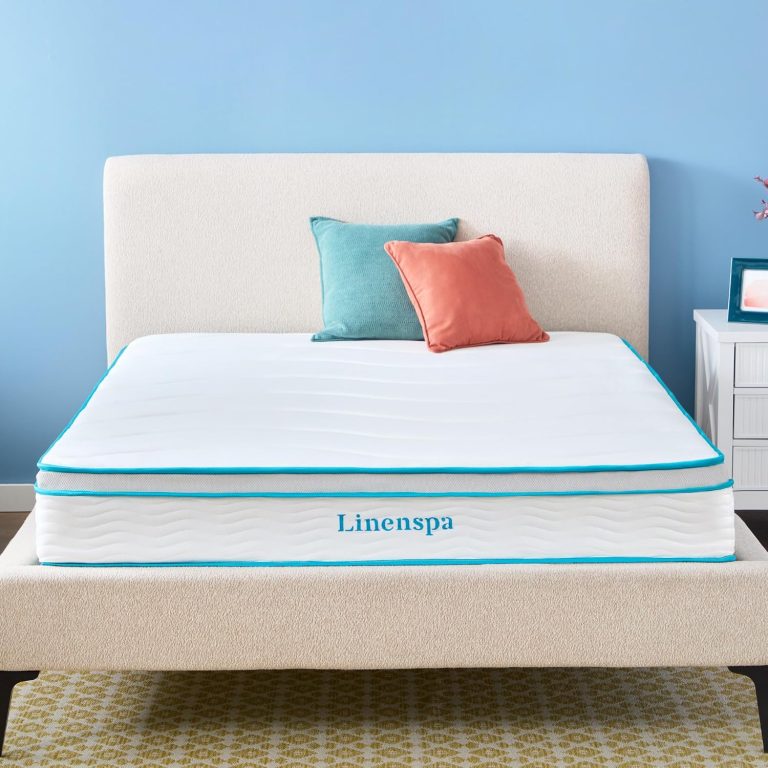
Most modern beds use multiple layers of foam. The top layer is usually soft and plush to relieve pressure. The bottom layer is much firmer to keep your spine aligned. When you buy a viscoelastic mattress, you are really buying a combination of these layers working together.
- Top layer: Soft, heat-sensitive, and contouring.
- Transition layer: Medium firmness to prevent sinking too deep.
- Base layer: Dense and firm for structural support.
- Cooling gel: Infused in the top foam to pull heat away.
- Cover: Often removable and washable for hygiene.
The “Sleeping Warm” Trade-Off
Let’s talk about heat for a second. Because the foam traps body heat to soften, it can sometimes feel warm. Many people joke that memory foam sleeps like a space heater. We found that most brands now add cooling gel or copper infusions to help with this. If you sleep hot, look for those added features.
Who Should Consider Buying This Type of Bed
Viscoelastic mattresses are not for everyone, but for certain sleepers, they are a game changer. If you wake up with numb arms or a sore lower back, this foam might be your answer. It takes direct pressure off the most sensitive parts of your body.
Side Sleepers and Pressure Relief
When you sleep on your side, your hip and shoulder press hard into the mattress. If the bed is too firm, those pressure points hurt. Because viscoelastic foam gives way around those areas, it prevents that “stabbing” pain. The National Institutes of Health notes that reducing pressure on bony areas is key for comfort and circulation.
Couples Who Need Peace and Quiet
If you share a bed, you know that every toss and turn can send ripples across the whole mattress. With a viscoelastic bed, those ripples stay put. You will sleep through your partner’s mid-night bathroom trip without even noticing. That alone is worth a lot to some people, right?
A Word for Back and Stomach Sleepers
If you sleep on your back, you will want a medium-firm version. A super-soft viscoelastic bed might let your hips sink too far, which can hurt your lower back. Stomach sleepers need a firmer feel too, to keep the spine in a neutral line.
Viscoelastic vs. Innerspring: The Big Comparison
You might be weighing your options against a classic spring mattress. Spring beds are bouncy and cool. Viscoelastic beds are quiet and contouring. The choice really comes down to what you value more: cool airflow or pressure relief.
| Feature | Viscoelastic Foam | Innerspring Coils |
|---|---|---|
| Pressure Relief | Excellent | Fair |
| Motion Transfer | Low | High |
| Temperature | Warm | Cool |
| Edge Support | Low to Medium | Good |
| Longevity | 7-10 years | 5-8 years |
Key Things to Look For Before You Buy
Before you click “Add to Cart,” you want to make sure you’re getting a good one. Not all viscoelastic mattresses are created equal. The density and quality of the foam matter a lot. A cheap mattress will sag quickly and lose that plush feel.
Density and Warranty Check
Look for a density rating around 3 to 5 pounds per cubic foot for the comfort layer. This means the foam is dense enough to hold you up without collapsing. Also, check the warranty. A good warranty of at least 10 years shows the maker stands behind the material quality.
Your Pre-Buy Checklist
Here is a quick list we put together to help you decide if this is the right mattress type for your bedroom:
- You sleep on your side or have joint pain.
- You are easily woken by your partner’s movement.
- You want a quiet bed with no coil squeaks.
- You prefer a “cradled” feeling over a bouncy one.
- You are ready to manage the warm sleeping temperature.
- You can handle the initial odor that fades in a few days.
Getting Used to the Contoured Feel
Your body might need a few nights to adjust. When you switch from a firm spring mattress to a viscoelastic one, your muscles have to relax differently. Give yourself at least two weeks. Many people report that after the adjustment period, they can’t imagine going back to their old rigid bed.
We found that the best approach is to try it for a few weeks and observe how your back feels in the morning. If you wake up without aches and pains, you’ve made the right call. The material is forgiving, supportive, and ready to give you that deep, restful sleep you’ve been chasing.
Conclusion
You now know exactly what a viscoelastic mattress is and whether it fits your sleep style. The key takeaway is simple: this foam hugs your body, eases pressure, and keeps movement from waking you up. Side sleepers and couples tend to get the most out of it.
If you sleep hot, look for cooling gel layers. If you need support, check the foam density and warranty. Your next move is to match these features to your own sleep habits. Then, take advantage of a sleep trial to test it in real life.
With the right choice, you’ll wake up less sore and more refreshed. That’s a win you can feel every morning.
Frequently Asked Questions
How long does a viscoelastic mattress last?
Most quality viscoelastic mattresses last between 7 and 10 years with proper care. Rotate the bed every few months to prevent uneven sagging. Dense foam tends to hold up better than cheaper, low-density options.
Are viscoelastic mattresses good for back pain?
We found that they help many people with back pain because they relieve pressure on the spine. You want a medium-firm feel so your hips don’t sink too deep. Too soft can cause misalignment, while too firm can create pressure points. Our guide to the firmness scale for back pain breaks down the numbers.
Why does my new viscoelastic mattress smell funny?
That’s the off-gassing from the manufacturing process. It’s common with foam products and usually fades within a few days. Keep your room well-ventilated and give it time to air out before judging the mattress.
Can you use a box spring with a viscoelastic mattress?
You don’t need a traditional box spring for this type of bed. Most viscoelastic mattresses work best on a solid foundation or slatted base. Check your mattress warranty for requirements to make sure you don’t void it.
Do viscoelastic mattresses make you sleep hot?
They can, because the foam traps body heat to soften and contour. Many brands now add cooling gel, copper, or open-cell foam to fight this. If you tend to sleep warm, look for those features before you buy.