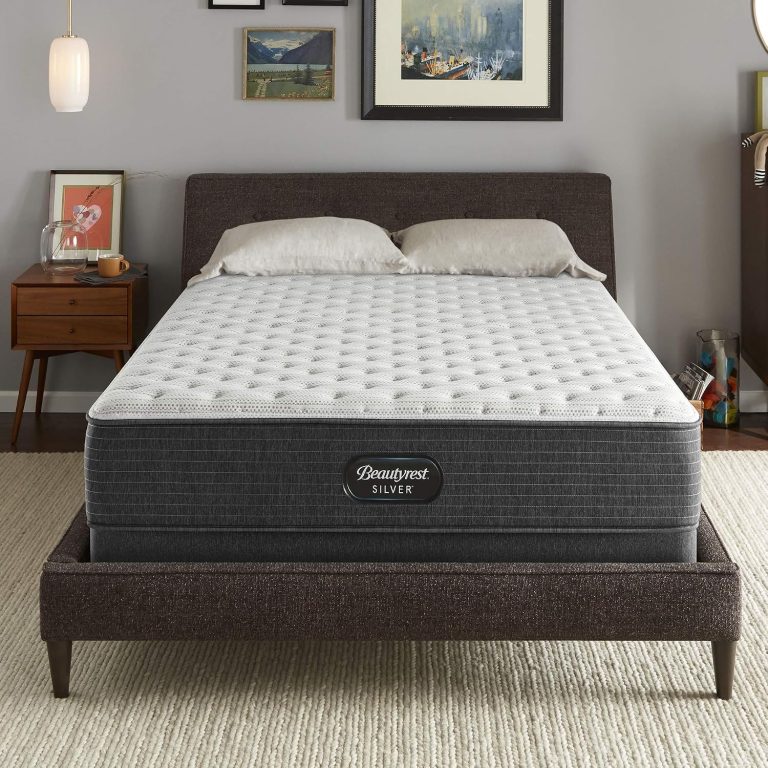
Can Firm Mattresses Cause Hip Pain? What to Know
Yes, a firm mattress can absolutely cause hip pain, especially if you sleep on your side. When your mattress is too hard, it creates intense pressure points at your hip and shoulder instead of letting your body sink into a supportive position. We found that this is one of the most common reasons people wake up aching, even when they thought a firmer bed was better for their back.
Your hip joint carries a lot of weight while you sleep, and it needs a surface that cushions and contours to your body’s natural curves. A super firm bed does the opposite — it pushes back against your bones. Over time, this pressure can irritate the bursa sac or aggravate the sciatic nerve, leading to sharp pain, stiffness, or numbness. Many experts say that comfort and spinal alignment matter far more than a generic “firm equals better” rule.
- Firm mattresses push back against your hip bone, causing pressure points and pain.
- Side sleepers suffer the most because their hips need more cushioning than back or stomach sleepers.
- A medium-firm mattress is usually the sweet spot for pain relief and support.
- Quick fixes include a mattress topper, adjusting sleep position, or using a pillow between your knees.
- Check your mattress age — an old firm bed might have broken-down support zones that worsen the problem.
Below, we walk you through exactly why this happens, how to tell if your bed is the real culprit, and the simplest ways to fix it tonight. Let’s get you sleeping pain-free.
Why Firmer Beds Can Be a Pain in the Hip
You might think a rock-hard mattress means better support. We found that the opposite is often true for hip pain. A firm surface does not mold to your body’s curves. Instead, it acts like a wall, pushing back against the most prominent parts of your body.
Your hips and shoulders take the brunt of this pressure. As you sleep, the weight of your torso concentrates on these bony areas. This pressure can compress nerves and irritate the tissues around your hip joint. Over time, that pressure means soreness and stiffness come morning.
The Side Sleeper Problem
Side sleeping on a firm bed is the biggest culprit. When you lie on your side, your hip bone digs directly into the mattress top. There is no give. There is no cushioning. Your body weight is concentrated on a very small surface area.
Many experts say that side sleepers need at least three to four inches of pressure-relieving comfort layer. A firm mattress rarely provides this. If you wake up with a tender hip and regularly sleep on your side, your mattress is likely the cause of your hip pain.
What’s Actually Happening to Your Body?
Your body is trying to tell you something when a bed is too hard. The pressure from a firm mattress can compress the bursa sac, a fluid-filled cushion that reduces friction in your joint. When this sac gets irritated, it causes sharp, localized pain.
Firm beds can also put pressure on the sciatic nerve. This nerve runs right past your hip area. If the mattress aggravates it, you might feel a shooting pain or numbness that travels down your leg. It is not just discomfort; it is a physical reaction to pressure (Cleveland Clinic).
Signs Your Mattress Is the Problem
How do you know if your bed is the issue? Look for these clues:
- Your hip hurts only after sleeping, not during the day.
- You sleep on your side most of the night.
- You wake up to toss and turn to find a comfortable spot.
- The pain is on the side you sleep on most.
- You feel better after getting up and moving around.
- Your mattress is older than seven years.
If you check most of these boxes, your firm mattress is probably the source of your hip pain. Research suggests that medium-firm mattresses are better for pressure relief and spinal alignment (NCBI).
How a Mattress Should Support Your Hips
A good mattress should do two things at once: support and cushion. It needs to keep your spine straight while allowing your heavier body parts to sink slightly. A medium-firm bed does this best for most people.
When your hips sink a little, your spine stays in a neutral line. When you lie on a firm bed, your hips stay on top while your lower back arches. This misalignment puts stress on your hips and your back, causing hip pain and sore muscles.
The Firmness Scale and Where You Should Land
Mattress firmness is rated on a scale of 1 to 10. Most people need a level 5, 6, or 7. A level 8 or higher is typically too firm for hip pain relief.
| Firmness Level | Best For | Hip Pain Impact |
|---|---|---|
| 1-3 (Soft) | Side sleepers under 130 lbs | Does not support the spine well |
| 4-6 (Medium) | Most sleepers | Balances support and cushion |
| 7-8 (Firm) | Back and stomach sleepers | Often causes pressure points |
| 9-10 (Extra Firm) | Heavy individuals | Likely to make pain worse |
Your weight matters when it comes to a firm mattress. If you weigh over 200 pounds, a firm mattress might feel medium to you. If you are lighter, the same mattress can feel much harder. Use your body weight as a guide, not just the label.
What About Your Old Firm Mattress?
Age changes how a mattress behaves. Over time, the support foam breaks down and creates lumps or sagging. A firm bed that is old might have hard spots and weak spots. These uneven areas create poor sleeping posture and hip pain.
Industry experts say you should replace your mattress every seven to ten years. If your firm bed has visible sagging or you feel coils poking through, it is time for a change. We found that many people blame firmness when the real issue is simply an old, worn-out bed.
Quick Fixes You Can Try Tonight
You don’t have to buy a whole new mattress to start feeling better. There are a few simple things you can try to get a good night’s sleep on your current firm bed. These fixes are cheap and can work immediately.
Add a Soft Mattress Topper
A mattress topper is the fastest fix for a firm mattress causing hip pain. Look for a topper made of memory foam or down alternative. It adds a pressure-relieving layer right on top of your bed.
You want a topper that is at least two to three inches thick. This extra layer allows your hips to sink slightly, reducing the pressure on your bones. It is a simple solution and a great way to get a medium-firm feel without buying a new bed.
Choosing the Right Topper Material
- Memory foam: Offers the best curve-hugging relief.
- Latex: Provides support with a little bounce.
- Feather or down: Soft but needs fluffing often.
- Polyester fiber: Budget-friendly but may flatten quickly.
Many experts recommend memory foam for pressure point relief. It softens where your body is warm and provides the contour that a firm bed lacks.
Use a Pillow Between Your Knees
For side sleepers, a pillow between your knees works wonders. It lifts your top leg and takes pressure off your hip joint. Your upper hip stops rolling forward, and your spine stays aligned.
Keep the pillow between your knees and ankles. This prevents your legs from twisting. It helps the mattress conform to your body better, reducing the feeling of sleeping on a board. You might be surprised how much this one trick helps.
Change Your Sleeping Position
If you are a side sleeper, try sleeping on your back for a few nights. Back sleeping spreads your weight evenly across the entire mattress. This takes all the pressure off your hip bones and distributes it across the whole bed.
Stomach sleeping can also work on a firm bed. However, it often causes back pain. If you switch positions, give it a few nights for your body to adjust. You might find that your hip pain disappears quickly when you stop putting so much pressure on that one spot.
When You Should Consider a New Mattress
Sometimes, toppers and pillows are not enough. If your firm mattress is over seven years old, a replacement might be worth it. Your body changes over time, and so does your need for pressure relief.
When you shop for a new bed, do not focus on the word “firm.” Instead, look for a medium-firm comfort level with a thick comfort layer. Testing mattresses in stores is helpful, but remember that your sleeping body is different from your standing body.
What to Look for in Your Next Mattress
You want a mattress that offers zoned support. This means firmer foam under your heavier midsection and softer foam under your shoulders and hips. This type of construction helps with hip pain the most (Mayo Clinic).
Memory foam and hybrid mattresses tend to be best for pressure relief. Innerspring mattresses with thin padding can be too hard for most people. When in doubt, read the specifications for “pressure relief” and “contouring” rather than just firmness.
Other Causes of Hip Pain You Should Rule Out
Before you spend money on a new mattress, make sure the bed is actually the problem. Hip pain can come from several other sources. It is worth checking these before you shop for new bedding.
- Bursitis: Swelling in the joint cushion (Cleveland Clinic).
- Osteoarthritis: Wear and tear on the joint.
- Sleep position habits: Staying in one position too long.
- Muscle strain: From workouts or daily activities.
If your hip hurts during the day or when you walk, your mattress is not the main cause. Firm beds tend to cause pressure pain that eases once you get up and move. Persistent or sharp pain during the day needs a medical opinion.
Your Simple Nightly Checklist
Here is a quick checklist to help you get better sleep tonight with your hip pain:
- Check your mattress for sagging or visible wear.
- Add a thick memory foam topper to soften the surface.
- Place a pillow between your knees if you sleep on your side.
- Try lying on your back to spread your weight evenly.
- Ensure your pillow keeps your head aligned with your spine.
- Stretch your hips gently before getting into bed.
Many people find relief by making just one of these changes. Firm mattresses are great for back support, but they definitely do not work for everyone. If your hips are hurting, it is time to give your body a little more cushion and a lot more care.
Conclusion
Your firm mattress can absolutely be the reason you wake up with hip pain. We walked through how a hard surface creates pressure points, especially for side sleepers. Your hip needs cushioning, not resistance, to stay aligned and pain-free through the night.
The good news is you have options. A memory foam topper, a pillow between your knees, or a simple change in sleep position can bring relief fast. If your bed is older than seven years, a new medium-firm mattress might be the smarter long-term fix.
Start with the cheapest solution tonight. Add a topper and try a knee pillow. Give your body a few nights to adjust. If the pain fades, you found your answer. If it lingers, talk to your doctor to rule out other causes like bursitis or arthritis.
Frequently Asked Questions
How long does hip pain from a firm mattress last?
Pressure-related hip pain usually fades within a few hours of getting out of bed. If you keep sleeping on the same firm surface, it can return every morning. Once you add cushioning or switch mattresses, you should notice improvement within a few nights.
Will a mattress topper make my firm bed soft enough?
Yes, a quality topper can completely change how your bed feels. Look for at least two to three inches of memory foam or latex. This adds the pressure-relieving layer your hips need without forcing you to buy a whole new mattress.
Is a firm mattress better for your back than a soft one?
Not always. Back sleepers and stomach sleepers often do well on firmer beds. But side sleepers need more cushioning to keep the spine neutral. A medium-firm mattress tends to be the best balance for most people with any type of pain.
Can sleeping on your back help hip pain caused by a firm mattress?
Yes, back sleeping spreads your body weight evenly across the mattress surface. This takes direct pressure off your hip bones. Try it for a few nights and see if your morning hip pain improves.
What is the best mattress firmness for hip pain?
Most experts recommend a medium-firm mattress, around a 5 to 6 on the firmness scale. This gives you enough support for spinal alignment while still allowing your hips to sink slightly. Memory foam and hybrid mattresses with zoned support are great choices for pressure relief.