Can Mattresses Be Stored Safely? Key Tips to Know
Yes, mattresses can be stored, and doing it right keeps them in great shape. You just need a few simple steps to protect it from dust, moisture, and damage. The key is to keep it flat and dry in a climate-controlled space.
Whether you are moving, waiting for a new bed frame, or keeping a spare for guests, proper mattress storage matters. We found that storing a mattress the wrong way can void its warranty and cause sagging or mold. The good news? It is totally doable with a little planning and the right materials.
- Yes, you can store a mattress, but it needs to be clean and fully dry first.
- Always store it flat on a solid surface, never on its side for long periods.
- Use a breathable mattress bag to block dust and bugs without trapping moisture.
- Pick a cool, dry spot like a spare room or basement, not a hot garage or damp attic.
- Check on it every few months to catch any issues early before they become big problems.
Below, we break down the best ways to store your mattress step by step, so you can rest easy knowing it will be ready when you are.
Storing a Mattress the Right Way
You can absolutely store a mattress, but the method matters. We found that doing it wrong can ruin your sleep surface and void the warranty. So, let’s walk through the process step by step.
The goal is simple: protect the mattress from moisture, dust, and physical damage. You also want to keep the internal structure intact. A little prep work now saves you from buying a new bed later.
Why Proper Storage Matters So Much
Your mattress is a big investment. Most quality beds last seven to ten years with daily use. Storing it badly can cut that lifespan in half. Moisture is the biggest enemy, as it leads to mold and mildew. Those issues are nearly impossible to fix.
But moisture is not the only risk. Storing a mattress on its side for months can cause the foam to settle. The wiring in innerspring models can shift. Flat storage is the only safe option for long-term protection (Mayo Clinic).
The Warranty Factor You Cannot Ignore
Many new mattresses come with a 10-year warranty. Most warranties require proper handling during storage. If you store it wrong, the manufacturer can deny your claim. Check your warranty card before you stash the bed anywhere.
We found that some brands even require a specific type of storage bag. Others just need a clean, dry space. Knowing the rules ahead of time helps you stay covered.
How to Prep Your Mattress for Storage
Preparation is where most people slip up. You need to start with a clean, dry mattress. Do not store a dirty or damp bed, as stains invite pests and odors. A quick cleaning routine fixes this.
Start by stripping all the bedding. Vacuum the entire surface with an upholstery attachment. Focus on seams and crevices where dust hides. Spot-clean any stains with a mild detergent and cool water.
Drying Time Is Non-Negotiable
After cleaning, let the mattress air out completely. This can take several hours or even a full day. Dampness inside the mattress will breed mold once sealed in a bag. There is no way to dry it out while it sits in storage.
Put the mattress near an open window or a fan. Flip it and let both sides breathe. Wait until it feels dry to the touch before moving to the next step.
Choosing the Right Storage Bag
Not all bags are created equal. You want a breathable mattress bag, not a plastic shrink wrap. Plastic traps moisture and causes condensation on the surface. That moisture seeps into the fabric and foam.
Look for a fabric bag or one with ventilation holes. Many moving companies sell mattress bags that work well. Check that the zipper closes fully and there are no rips or tears before use.
Where You Can Safely Store a Mattress
Location is everything. The ideal spot is a cool, dry, and climate-controlled room. Spare bedrooms and basements are the best options for long-term storage. They keep temperature and humidity levels steady.
If you are using a storage unit, pick one with climate control. It costs a bit more, but it protects your investment against extreme heat and cold. The extra money is worth the peace of mind.
Basements and Garages: The Good and Bad
Basements can work if they are dry. Look for signs of dampness like water stains on walls or a humid smell. If you spot any dampness, choose another location.
Garages are risky for most people. Temperature swings cause condensation inside the storage bag. Your mattress could develop mold even if it feels dry when you seal it. Attics have the same problem, so steer clear of both.
Storing It Upright vs. Flat
Here is the simple answer: store it flat, always. Standing a mattress on its side for weeks or months causes the foam and coils to shift. You will end up with lumps and uneven support.
If you absolutely must stand it for a few days, keep it propped against a sturdy wall. Turn it every 24 hours to reduce stress on one edge. But flat is the only option for anything longer than a week.
Common Mistakes People Make
Even well-meaning people make errors. The biggest mistake is using the wrong bag, like an old trash bag or thin plastic wrap. These don’t offer enough protection against dust or punctures.
Another common slip-up is storing heavy items on top. Stacking boxes on a mattress compresses the foam and leaves permanent dents. Keep the surface completely clear.
- Do not bend or fold any mattress type, even flexible foam beds.
- Keep it away from walls in storage units to allow air circulation.
- Skip vacuum-sealed bags for long-term, as they change the shape.
- Do not forget to label the bag so movers handle it correctly.
- Avoid storing in direct sunlight, which degrades the fabric.
- Always place it on a flat, clean surface, never directly on concrete.
The Surprising Impact of Temperature
Extreme cold makes foam brittle. Extreme heat softens it and can cause warping. A garage in summer can hit over 100 degrees Fahrenheit. That is enough to damage the internal structure of your bed.
Experts suggest keeping storage areas between 50 and 80 degrees Fahrenheit. Consistent, moderate temperatures are what you want. If your storage spot doesn’t offer that, reconsider the location entirely.
What About Storing a Mattress Topper?
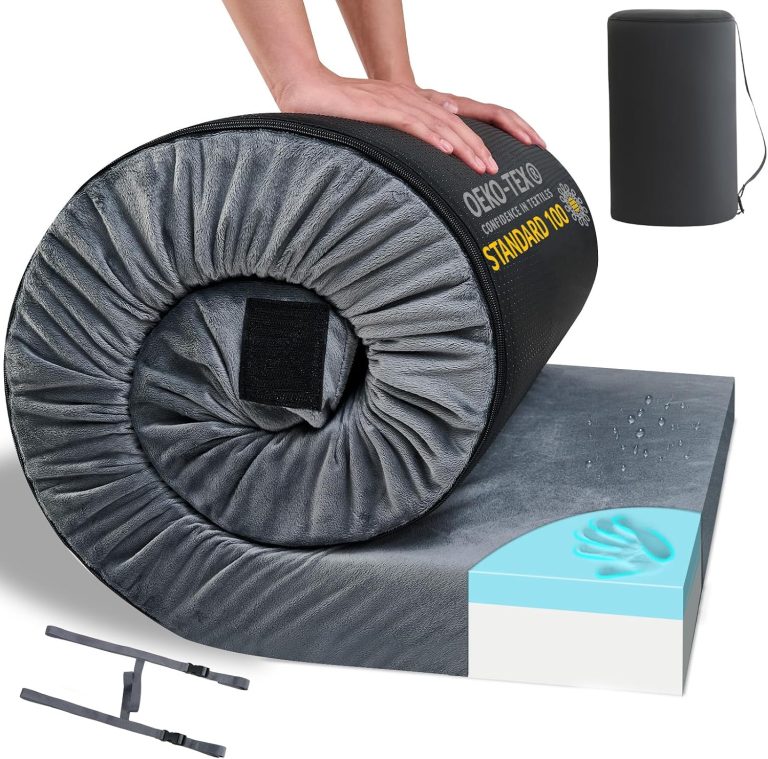
Toppers have the same storage needs as mattresses. Clean and dry them thoroughly first, then roll them loosely. Most foam toppers can be rolled, but never fold them in half.
Use a smaller breathable bag or a large cotton pillowcase. Store them flat on a shelf or in a sliding bin. Toppers are easier to ruin than full mattresses because they are less durable.
How Long Can a Mattress Stay in Storage?
With the right conditions, you can store a mattress for years. Many experts say up to two years is safe if conditions are perfect. After that, the foam may start to break down from age, not storage.
Check on your mattress every couple of months. Look at the bag for condensation or rips. Open it up for a few hours to let fresh air circulate. This simple routine prevents nasty surprises later.
Before You Store: A Quick Checklist
Let’s make this easy. Run through this list before you close the storage room door. Every item takes less than five minutes but saves you hundreds of dollars.
- Clean the mattress with a vacuum on both sides.
- Let both sides air dry completely for at least 24 hours.
- Spot-treat any stains with a mild cleaner and let it dry.
- Place a breathable mattress bag over the entire bed.
- Seal the zipper and secure any open edges with tape.
- Lay it flat on a pallet or clean floor, away from concrete.
- Set a calendar reminder to inspect it every 60 days.
Final Tips for Smooth Mattress Storage
You have got the basics down. Now let’s talk about a few refinements that make a difference. Use a furniture pallet or plywood board to raise the mattress off the floor. This stops moisture from wicking up from the ground.
Keep the mattress away from pipes and water heaters. Leaks happen fast and ruin everything nearby. A slight elevation and careful placement protect your bed for the long haul.
Another tip: Take a photo or two before you store it. Knowing the condition you stored it in helps you spot any new damage later. It also gives you proof of proper care for warranty purposes.
And here is a thought: If you are storing a mattress because a family member will need it soon, put a note with the date on the bag. It helps you track how long it has been there and when to check it again.
Conclusion
Storing your mattress the right way is simple once you know the rules. You need a clean, dry bed, a breathable bag, and a climate-controlled spot. Flat is the only safe position for long-term storage, and checking on it every couple of months keeps problems away.
Take the checklist we shared and follow it step by step. Pick the best room in your home or invest in a climate-controlled unit. Your mattress will be ready for use whenever you need it again.
Start by cleaning and drying your mattress today. A little effort now keeps your investment fresh and supportive for years to come.
Frequently Asked Questions
Can you store a mattress in a storage unit?
Yes, you can store a mattress in a storage unit. You just need to make sure the unit is climate-controlled. That keeps temperature and humidity steady, so your mattress stays dry and safe.
How long can a mattress be stored before it goes bad?
You can safely store a mattress for up to two years with the right conditions. After that, the foam may start to break down naturally. Keep it clean, dry, and flat to protect it for the long haul.
Is it okay to store a mattress on its side for a week?
Storing a mattress on its side for a few days is okay, but not longer. The weight can shift the foam and coils over time. If you must store it upright, flip it every 24 hours to reduce stress.
Do you need a special bag to store a mattress?
You need a breathable mattress bag, not a plastic one. Plastic traps moisture and can cause mold. Look for a fabric bag or one with ventilation holes to keep your mattress dry.
Can storing a mattress flat on concrete ruin it?
Yes, storing a mattress directly on concrete can ruin it. Concrete absorbs moisture and wicks it into the mattress. Always place a pallet or plywood board between the floor and your mattress.