Can You Turn Over a Mattress? Types Explained
Yes, you can turn most mattresses over, but it depends entirely on the type you own. Double-sided mattresses are built to be flipped, while single-sided mattresses are designed to stay one way up. Check the label or tags on your mattress first, that is the quickest way to know for sure.
We researched the differences between modern and traditional bed designs to help you out. Flipping a mattress can extend its life, but doing it wrong can void your warranty or cause damage. The key is knowing what you are working with before you put in the hard work.
- Double-sided mattresses are safe to flip and rotate regularly.
- Single-sided mattresses (most new ones) should only be rotated, never flipped.
- Check your mattress label and warranty for specific care instructions.
- Flipping can prevent sagging and extend comfort on two-sided beds.
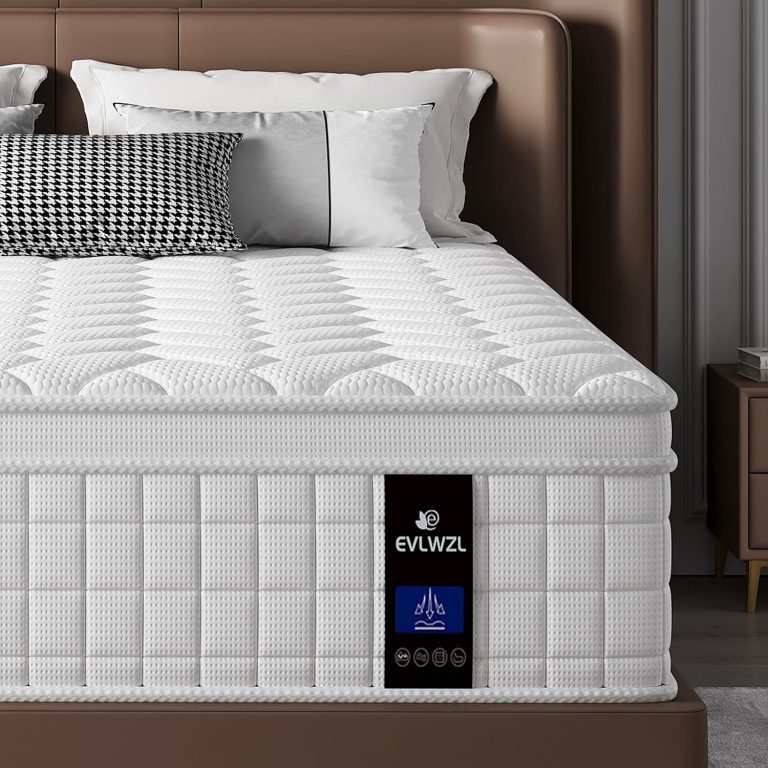
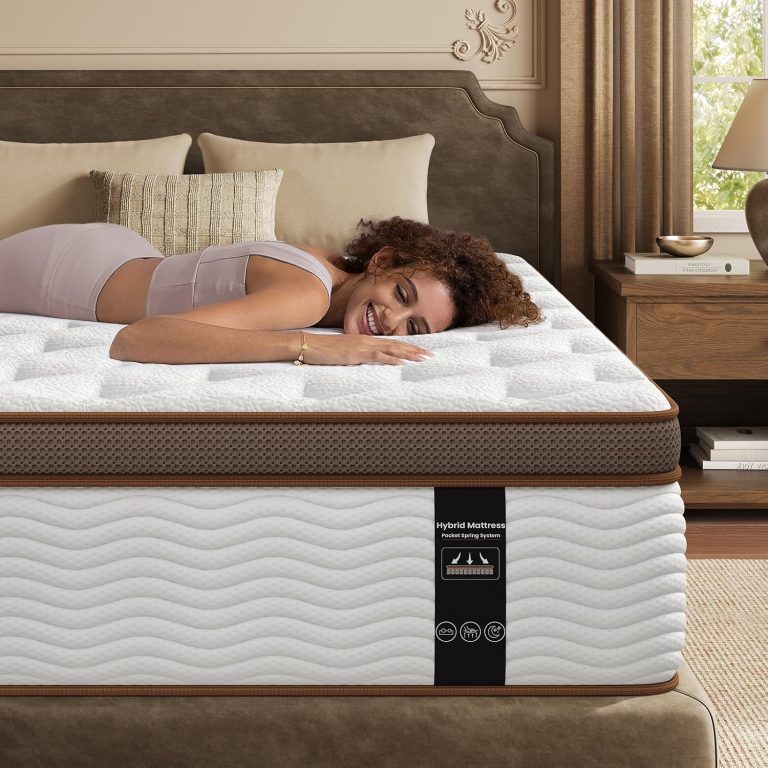
- Never flip a pillow-top or euro-top mattress, it will ruin the comfort layer.
Below, we break down exactly how to tell if your mattress is flippable and the best way to do it. Let us walk you through the simple steps so you can get a better night’s sleep without guessing.
Turning Your Mattress Over Without Regret
Before you heave that heavy bed off the frame, take a breath. We found that flipping your mattress is only right for about half of the beds out there. The rest will suffer permanent damage if you flip them.
You want to extend the life of your sleep surface. That is smart. You just need to do it in the way the manufacturer designed. The good news? Figuring this out takes less than two minutes.
Why Double-Sided Mattresses Are Becoming Rare
Walk into any big-box mattress store today, and you will see mostly single-sided designs. Why? They are cheaper to make. They also allow for thicker, plush comfort layers on top.
Years ago, every mattress was double-sided. You flipped them like a pancake every few months. That tradition stuck in our minds, even as the products changed. We found that most mattresses sold after 2010 are single-sided. You do not need to flip them at all.
The One-Sided Construction Standard
Modern beds have a thick comfort layer glued to a firm base. That base is not meant to be slept on. Flipping it would put you on a hard, flat surface with no give.
The label usually says “Do Not Flip” if it is one-sided. Some labels say “This Side Up.” If you lost the label, look at the bottom. If the bottom fabric looks plain and rough, it is likely single-sided.
Quick Checks to See If Flipping Is Safe
You need three pieces of information before you move an inch. The label, the warranty, and the mattress type. We broke this down so you can check everything in under a minute.
Read the Law Tag Like a Pro
Every mattress has a white law tag sewn into the seam. This is not just legal filler. It lists the manufacturer, the materials, and often the care instructions.
Look for keywords like “flippable,” “two-sided,” or “rotate.” If you see those, you are good to flip. If you see “one-sided” or “do not turn over,” stop right there.
Check the Warranty Before You Take Risks
Many experts say the warranty is your best guide. Most warranties will explicitly state the correct rotation schedule. Some even penalize you for flipping a one-sided bed.
We found that warranty voiding is a real risk with foam and hybrid beds. If you damage the internal structure by flipping, the claim gets denied. Always snap a photo of the law tag first. That way you have proof of what the original instructions said.
Which Mattress Types Flip and Which Do Not
Let us make this as clear as possible. The type of mattress you own determines everything. Here is the simple breakdown we used when researching this topic.
| Mattress Type | Can You Flip? | What You Should Do Instead |
|---|---|---|
| Innerspring (traditional) | Yes, if it has padding on both sides | Flip and rotate every 3-6 months |
| Memory Foam | No | Rotate 180 degrees only |
| Latex | Sometimes (check layers) | Rotate more often than flip |
| Pillow Top | Never | Rotate head to foot |
| Euro Top | Never | Rotate carefully, avoid bending |
| Adjustable Air | No | Follow control box instructions |
Pillow Tops Are the Exception You Must Respect
We cannot stress this enough. A pillow-top mattress has an extra padded layer sewn onto the top. That layer is delicate. Flipping it puts all your body weight directly on those sewn seams.
The result is torn fabric, crushed foam, and a ruined sleep surface. Many experts say this is the number one cause of premature mattress damage. If you own a pillow top, rotate it, never flip it.
Memory Foam and Hybrid Beds
Memory foam has a specific layering system. The top is soft and pressure-relieving. The bottom is dense and supportive. Flipping it means lying on the dense layer. You will feel like you are sleeping on a board.
Hybrids combine coils and foam. The coil system is often zoned for support in the middle. Flipping a hybrid can misalign your spine. Just rotate these beds head to foot every few months.
How to Flip a Double-Sided Mattress the Right Way
If you confirmed your mattress is double-sided, great. You can now enjoy the benefits of even wear. But do not just toss it over. There is a proper method that protects your back and your bed.
Gather a Helper and Clear the Floor
You do not want to do this alone. Mattresses are awkward and heavy. One wrong twist and you pull a muscle in your back. We found that using a second person cuts the risk of injury dramatically.
Clear the area around the bed. Remove lamps, nightstands, and any sharp objects. You need a clear path from the bed to the open floor space.
Rotate Before You Flip
Here is a pro tip we learned from mattress technicians. Rotate the mattress 180 degrees first. This puts what was the foot of the bed at the head. Then flip it over. This way, every corner gets equal wear over time.
This simple method ensures the mattress wears evenly. It also prevents those annoying body impressions from forming in the same spot.
Let It Settle Before Sleeping
Once you flip the mattress, give it time to decompress. The foam layers need to expand back to shape. This can take anywhere from a few hours to a full day.
Sleeping on it too soon feels odd. You might notice a slight chemical smell, especially if it is new. That is normal for certain foams. Air out the room and wait for the shape to return.
How Often Should You Flip or Rotate
The old rule was flip every season. That still holds true for double-sided beds. We found that every 3 to 6 months is the sweet spot for most people.
For single-sided mattresses, rotation is your only tool. Do that twice a year. Mark it on your calendar. Many people align it with daylight saving time changes. That way you never forget.
Signs Your Mattress Needs Attention
Your body will tell you when something is off. If you wake up with back pain, your bed might have developed a dip. If you notice a visible sag in the middle, check the support layer.
- Visible sagging deeper than one inch
- Waking up stiff in the lower back
- Uneven wear on one side of the bed
- Noise or creaking from the coils
- Allergy dust building up in hidden seams
These signs mean it is time to act. For double-sided beds, a flip might fix everything. For single-sided beds, consider a mattress topper or replacement.
The Checklist Before You Flip
Use this quick list to confirm you are ready. We put this together so you do not make a costly mistake.
- Confirmed the law tag says “flippable”
- Checked the warranty for rotation rules
- Cleared the floor space around the bed
- Enlisted a helper to lift safely
- Removed all sheets, pads, and protectors
- Marked the calendar for the next rotation
Should You Ever Flip an Old Mattress for Comfort
Some people try flipping a sagging one-sided mattress to “restore” it. This is a bad idea. The sag is in the foam layers, not the orientation. Flipping just moves the problem to the other side.
We found that old mattresses are safer on the floor than flipped. If your bed is older than 8 years and sagging, it is time to shop. Flipping it will not extend its life. It will only make sleeping worse. If your bed is too old to save, our guide to choosing a new mattress walks you through the key decisions.
The Bottom Line on Flipping
Check the label. Respect the design. If it is double-sided, flip it every few months. If it is single-sided, rotate it instead.
Your mattress is an investment. Treat it well, and it will support you for years. Ignore the label, and you risk losing your warranty and your comfort. The choice is simple once you know what side is up.
Conclusion
Flipping your mattress is not a one-size-fits-all move. You have to know what type of bed you own first. Double-sided mattresses love a good flip every few months. Single-sided beds, especially pillow tops and memory foam, will only get damaged if you turn them over.
We found that checking the law tag and warranty takes two minutes and saves you a lot of regret. It is the single best habit you can build for mattress care. Rotating is always safe, so start there if you are unsure.
Your next step is simple. Go check your mattress label right now. Snap a photo of it, and set a calendar reminder to rotate in six months. That small action will keep your bed comfortable and your warranty intact.
Frequently Asked Questions
Can you flip a mattress with a box spring?
Yes, you can flip a double-sided mattress even with a box spring. The box spring stays in place, and you only turn the mattress itself. Make sure the box spring is in good shape so it supports the flipped side properly.
How long does a mattress last if you flip it regularly?
Our research shows a double-sided mattress can last 8 to 10 years if you flip and rotate it every few months. Regular flipping spreads the wear evenly across both sides. That prevents sagging and keeps the comfort layers fresh for longer.
Is it easier to flip a mattress with two people?
We strongly recommend using two people for any mattress flip. The weight is uneven, and the risk of back injury is high. One person can handle a lightweight foam bed, but traditional innersprings need a helper for safety.
Do you need to remove the mattress protector before flipping?
Yes, you should remove all bedding, including the mattress protector, before you flip. This reduces the weight and gives you a better grip. It is also a great time to wash the protector and clean the mattress surface.
What happens if you flip a one-sided mattress by mistake?
Flipping a one-sided mattress usually means sleeping on a hard, flat base layer. The comfort foam is now underneath. You will likely wake up with stiffness, and the mattress may lose its structural integrity over time.