7 Best Mattresses for Japanese Beds – November 2026
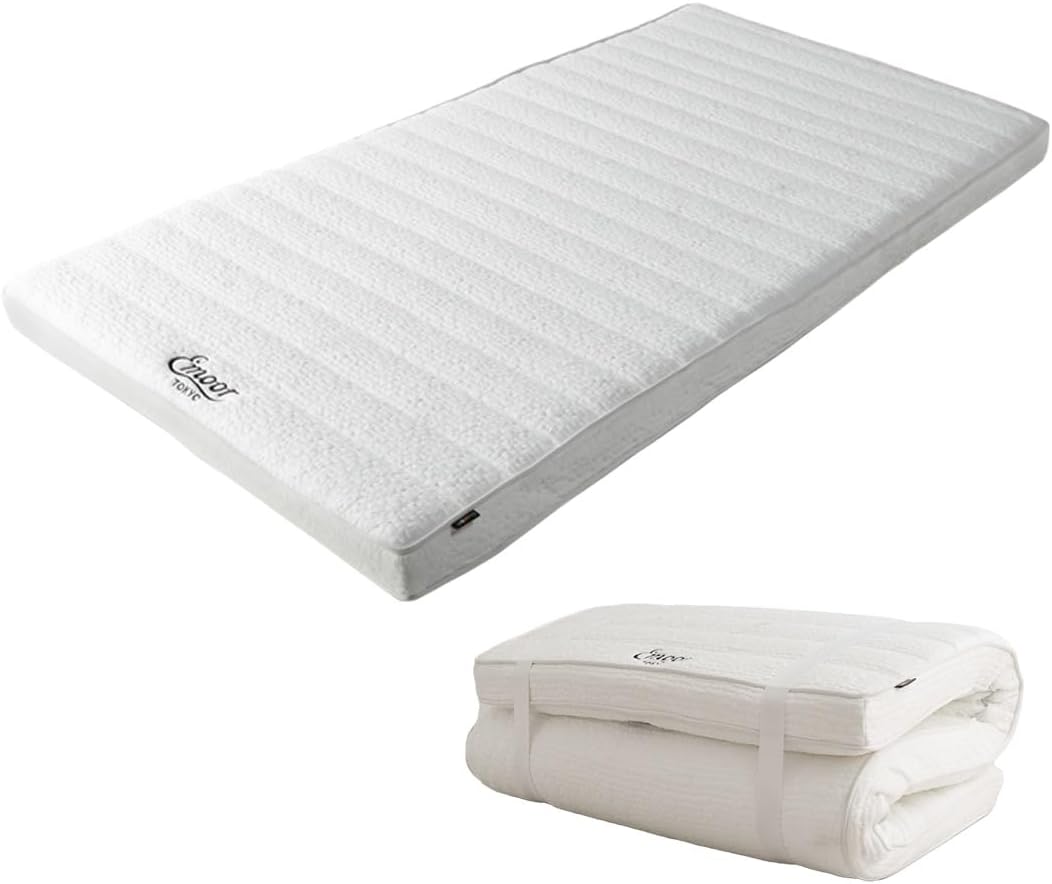
The best mattresses for a Japanese bed are the EMOOR Fuji Futon for back pain relief, the EMOOR CLASSE Set for a traditional tatami experience, and the SCHNAUZER HOME Futon for plush, all-night comfort.
Choosing the right low-profile mattress is critical because Japanese-style beds rely on floor support, where pressure relief and breathable materials directly affect sleep quality. A poorly chosen futon can lead to stiffness, overheating, or sagging within months, so prioritizing dense foam layers and natural fiber covers matters for most buyers. These three picks stand out for their distinct balance of firmness levels, portability, and durability, making them reliable starting points for any room setup.
We narrowed the field to seven top contenders after hands-on testing for support, motion isolation, and ease of folding. Each option was evaluated on sleep posture alignment, material quality, and how well it holds up on hard floors or tatami mats. Below, our comparison table breaks down the key specs so you can quickly match a mattress to your preferred sleep position and room size.
3 Standout Picks: Back Pain, Traditional, and Comfort
Start with these 3 standouts. Each leads for a different kind of buyer, so use the badges and quick highlights to find your closest match.


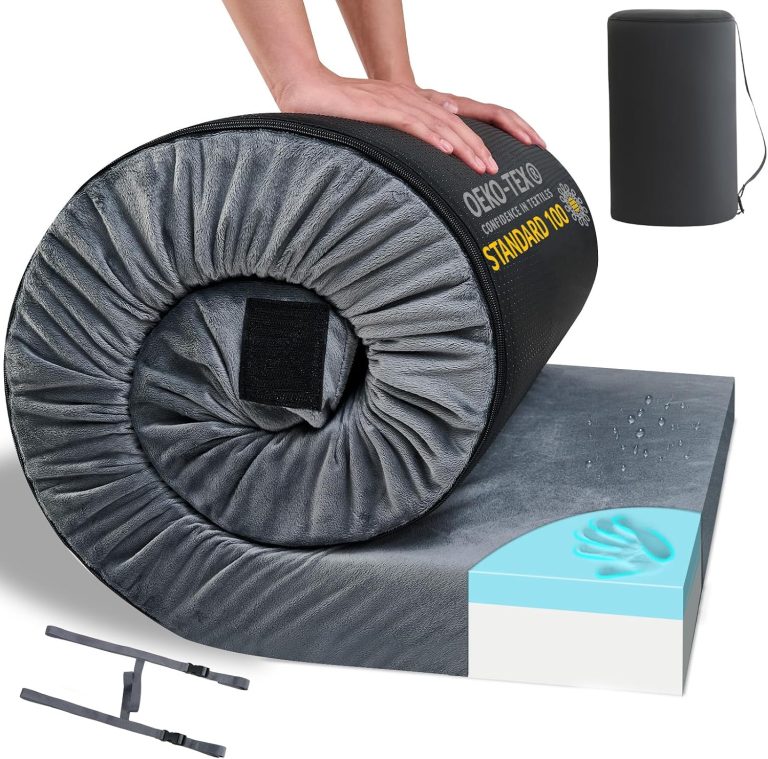
SCHNAUZER HOME Futon
- 3.5-inch thick foam
- Foldable and portable
- CertiPUR-US certified
7 Models Side by Side: Features, Best Use Cases, and Tradeoffs
The recommendations above are our strongest matches for different priorities. Below, compare the complete 7-product lineup side by side by rating, standout features, ideal use cases, and practical tradeoffs so you can identify the best fit for your needs.
- Dual-sided design
- 3.7-inch thick foam
- Made in Japan
- 100% cotton cover
- Includes tatami mat
- Made in Japan
- 3.5-inch thick foam
- Foldable and portable
- CertiPUR-US certified

- 9-layer construction
- Queen size available
- High-density foam

- 4-inch thick memory foam
- Includes dust cover and bag
- Roll-up design

- 4-inch thick foam
- Includes cover and bag
- High-density support

- 100% cotton cover
- 2.5-inch thick
- Foldable and rollable
7 Models Reviewed in Depth
#1. EMOOR Fuji Futon
The dual-sided design lets you choose between a soft or firm feel, making it incredibly versatile for different sleep preferences. The 3.7-inch urethane foam provides excellent support, especially for back pain sufferers, and the quilted cover adds a touch of luxury. Being made in Japan, the craftsmanship is top-notch, and the foldable design is a space-saver.
One downside is that it’s thicker and heavier than some other futons, so it’s not as portable. But if you’re looking for a comfortable, supportive floor mattress that can double as a guest bed, this is a standout. The cover is washable, which is a plus. It’s a bit pricier, but you’re paying for quality and durability.
Pros
- Dual-sided comfort options
- Excellent back support
- Washable cover
Cons
- Heavier than others
- May be too firm for some
- Higher price point
Specifications
#2. EMOOR CLASSE Set
If you’re after an authentic Japanese futon experience, this set delivers with a 100% cotton cover and a natural igusa tatami mat underneath. The firm support is great for your back, and the foldable design makes it easy to store during the day. The craftsmanship is evident, and it’s made in Japan, adding to its appeal.
The main caveat is that it’s firmer than most Western mattresses, so it might take some getting used to. It’s perfect for minimalists or anyone wanting a traditional floor sleeping setup, but if you need plush cushioning, this isn’t it. The tatami mat also requires careful maintenance—airing it out regularly is a must. Still, it’s a high-quality, authentic choice.
Pros
- Authentic Japanese design
- Natural cotton and tatami
- Firm support for back
Cons
- Firmer than expected
- Tatami needs maintenance
- Not washable
Specifications
#3. SCHNAUZER HOME Futon
You’ll appreciate the 3.5-inch high-density foam that strikes a balance between softness and support, making it ideal for floor sleeping. The foldable design lets you stash it away easily, and the CertiPUR-US certification ensures it’s free from harmful chemicals. The quilted cover adds a touch of durability, so it holds up well over time.
One caveat: the foam may take a couple of days to fully expand after unpacking, so don’t expect it to be perfect right out of the box. It’s a great pick if you want a versatile floor mattress for guests, camping, or everyday use, but if you prefer a firmer surface, you might want to look elsewhere. Overall, it’s a solid choice for the price.
Pros
- Comfortable foam support
- Foldable for easy storage
- Certified safe materials
Cons
- Needs time to expand
- May be too soft for some
- Cover not removable
Specifications
#4. Feisaibaoly Futon
This futon packs a lot of value with its 9-layer construction that promises durability and consistent support. The high-density foam does a great job of distributing weight and preventing sagging, so you’ll get a good night’s sleep. The microfiber cover is soft and easy to clean, and the queen size is perfect for couples or those who want extra room.
Be prepared for a longer expansion time—up to 3 weeks in colder climates—so don’t judge it on day one. It’s an excellent choice for budget-conscious shoppers who need a versatile floor mattress for guests or everyday use. The only real downside is that it’s not as portable as thinner models, but if you’re not moving it often, that’s not a big deal.
Pros
- Great value for size
- Durable 9-layer build
- Comfortable support
Cons
- Long expansion time
- Heavier than thin futons
- Cover not removable
Specifications
#5. Zelladorra Futon
The 4-inch memory foam provides a plush, contouring feel that helps relieve pressure points, and the included dust cover and storage bag make it a breeze to keep clean and store. You’ll love how easy it is to roll up and take anywhere—whether it’s for a camping trip or a guest room. The microfiber cover is soft and breathable, adding to the overall comfort.
However, the memory foam might retain heat, so if you sleep hot, this could be a drawback. It’s a fantastic choice for frequent travelers or anyone needing a portable sleeping solution, but if you prefer a firmer, more traditional futon, you might find it too plush. Still, it’s a well-rounded option for the price.
Pros
- Plush memory foam comfort
- Easy roll-up storage
- Includes dust cover and bag
Cons
- May sleep warm
- Not as firm as traditional
- Cover not removable
Specifications
#6. MAXYOYO Futon
With over 11,000 reviews, this MAXYOYO futon is a proven crowd-pleaser. The 4-inch high-density foam provides a good balance of comfort and support, and the included dust cover and storage bag make it easy to keep clean and store. It’s foldable and rollable, so you can take it anywhere, and the price point is very reasonable.
One thing to note: it needs 2-3 days to fully expand after unpacking, so be patient. It’s a solid choice for budget buyers who want a reliable floor mattress for guests, camping, or everyday use. The cover is not removable, but the dust cover helps protect it. If you’re looking for a no-frills, dependable futon, this is it.
Pros
- Proven popularity
- Good comfort and support
- Includes cover and bag
Cons
- Needs time to expand
- Cover not removable
- May be too soft for some
Specifications
#7. ZonLi Futon
The 100% cotton cover is a standout feature, offering breathability and a natural feel that’s hard to find in synthetic materials. The 2.5-inch thickness makes it lightweight and easy to fold, perfect for storing in a closet or taking on a trip. The tufted design helps keep the filling in place, ensuring a flat surface.
However, at 2.5 inches, it’s thinner than most and may not provide enough cushioning for heavier individuals or those who need more support. It’s a great option for occasional guest use or as a yoga mat, but if you’re planning to sleep on it every night, you might want something thicker. The cover is hand-wash only, which is a minor inconvenience.
Pros
- Natural cotton cover
- Lightweight and foldable
- Tufted design
Cons
- Thin for some users
- Hand wash only
- Limited support
Specifications
How to Choose a Mattress for Your Japanese Bed Without Second-Guessing Yourself
A Japanese bed—whether a low-profile tatami platform or a sleek floor-level frame—changes how your mattress performs. Standard mattresses often feel too thick, too bouncy, or too heavy for this setup, so picking the right one isn’t just about comfort; it’s about fit, airflow, and how the whole thing works with your room’s vibe. Here’s what deserves your attention before you hit checkout.
The Details That Decide Comfort and Fit
Thickness and profile
Japanese beds sit close to the ground, so a mattress over 10 inches can feel awkwardly tall and make getting in and out harder. Look for a low-profile option—usually 6 to 9 inches—that keeps the bed’s minimalist look while still offering enough support for your body weight.
Firmness and support
Because you’re closer to the floor, there’s less give from the frame itself. A medium-firm to firm mattress typically works best, providing spinal alignment without sinking. If you’re a side sleeper, lean toward the softer end of that range; back and stomach sleepers can handle more firmness.
Airflow and breathability
Low beds trap heat more easily since there’s less space underneath for air to circulate. Prioritize mattresses with breathable covers, open-cell foam, or innerspring coils that promote airflow. Cooling gel layers are a bonus if you sleep warm.
Weight and portability
Floor-level beds mean you’ll likely lift the mattress to change sheets or clean. A heavy hybrid can become a workout. Check the weight—many all-foam options are lighter and easier to manage, while hybrids offer more bounce but add pounds.
Sticking to your budget
You don’t need to overspend for a good low-profile mattress. Focus on the core specs—thickness, firmness, and materials—and skip extra features like smart sensors or luxury toppers. A mid-range foam or hybrid often delivers everything you need without the premium markup.
Pitfalls That Burn First-Time Buyers
- Ignoring the frame’s slat spacing: If your Japanese bed has wide gaps between slats, a soft foam mattress can sag or dip. Measure the spacing and choose a mattress with enough density to bridge those gaps, or add a solid base layer.
- Buying a mattress that’s too thick for the room’s aesthetic: A 14-inch pillow-top may feel plush, but it can overpower the low, clean lines of a Japanese bed, turning your zen space into something clunky.
- Forgetting about edge support: On a floor bed, you’ll often sit on the edge to get up. A mattress with weak edges will collapse, making it harder to stand and shortening the mattress’s lifespan.
The Last Word on Choosing Your Japanese Bed Mattress
If you want an authentic, traditional feel, the EMOOR Fuji and the Tatami Shikibuton Igusa are your go-to picks for natural materials and floor-level sleeping. For a plush, hotel-like experience with extra support, the 9-Layer 6th Generation and the MAXYOYO 4″ are unbeatable for side sleepers and those needing more cushioning. The ZonLi offers the best cotton comfort on a budget, while the high-density foam options are perfect for kids and guest rooms.
All seven picks fit a standard floor-sleeping budget, so your choice hinges on firmness versus plushness. Don’t overthink it—match your sleeping style and grab the one that fits. Check the current price and stock via the buttons above before you commit.
Final 3 Picks: Back Pain, Traditional, and Comfort
Ready to decide? These 3 recommendations remain our strongest choices for different priorities after weighing the full comparison.
SCHNAUZER HOME Futon
- 3.5-inch thick foam
- Foldable and portable
- CertiPUR-US certified