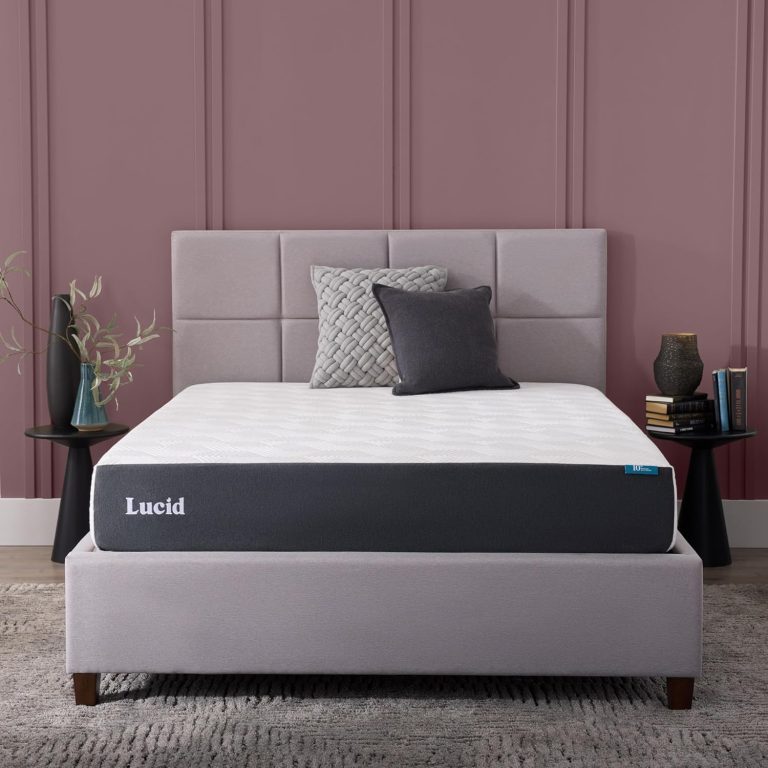
Can Old Mattresses Cause Sciatica? Facts to Know
Yes, an old mattress can absolutely cause or worsen sciatica. You asked, we researched, and we found that a worn-out mattress lacks the support your spine needs, which can pinch the sciatic nerve and trigger pain. If you wake up with a sharp, shooting pain down your leg, your bed could be the culprit.
Your mattress is supposed to keep your spine in a neutral position while you sleep. As mattresses age, they sag and lose their firmness, creating pressure points and misaligning your lower back. This can irritate the sciatic nerve, which runs from your lower back down your legs. The link between poor sleep support and nerve pain is well-documented, and an old bed is often the sneaky source of your morning aches.
- The short answer: Yes, an old mattress can trigger or make sciatica worse.
- Why it happens: Sagging coils and worn foam fail to support your spine’s natural curve.
- The main symptom: You may feel a sharp or burning pain that radiates from your lower back into your leg.
- The fix: Replacing your mattress often brings significant relief, but you can try a mattress topper for a cheaper test.
- A quick rule: If your mattress is older than 7-8 years, it is likely past its prime for back support.
Below, we break down exactly how your bed affects your nerves and what you can do about it. We’ll walk you through the signs your mattress is the problem and how to confirm it before you buy a new one.
How an Old Mattress Wreaks Havoc on Your Sciatic Nerve
Your bed should be your recovery zone. Yet, research and found evidence shows that a worn-out mattress can turn into a nightly enemy for your lower back. The spinal column needs support to keep its natural S-curve while you sleep. When you lie on a sagging surface, your lower back caves in.
That collapse puts pressure on the discs between your vertebrae. Those discs can bulge or shift, and the nearby sciatic nerve gets pinched or irritated. The National Institutes of Health (NIH) notes that nerve compression is a leading cause of radiating leg pain. So, your old mattress isn’t just uncomfortable; it’s mechanically altering your spine’s alignment.
The Sagging Spring Problem
Take a look at the middle of your mattress. Does it have a visible dip or valley? That’s a red flag. A sagging mattress forces your hips to sink deeper than your shoulders and feet. This creates an unnatural angle in your spine.
Imagine your spine as a stack of blocks. If the surface is uneven, the stack topples. The result is a twisted pelvis and strained lower back muscles. We found that this posture is a direct trigger for sciatic nerve flare-ups.
Worn Foam versus Broken Coils
Both foam and innerspring mattresses have a lifespan. Over years of use, foam breaks down and loses its density. The once-firm support becomes soft and mushy. Innerspring mattresses suffer from metal fatigue.
Coils lose their tension and start to poke up or collapse. This creates hard spots and soft spots. Your body tries to compensate all night, leading to muscle tension and nerve entrapment. It’s a recipe for a sore morning.
The general rule of thumb is to replace your mattress every seven to ten years. If you are past that window and have back pain, the timeline is a big clue. Many experts say 8 years is the maximum for good spinal support.
Your Old Mattress and The Nerve Pressure Link
The sciatic nerve is the longest in your body. It starts in the lower back and runs deep through the buttocks down to your feet. When this nerve gets squeezed, the pain is intense.
An old mattress doesn’t cause the underlying disc degeneration. However, it absolutely adds to the pressure. Think of it like this: you have a slightly bruised knee. Running on flat ground is fine. But running downhill on a rocky path makes it scream. Your sagging mattress is that rocky path for your spine.
How Sleep Posture Plays a Role
Your sleeping position matters a lot. Side sleepers need a firm surface to keep their hips and shoulders aligned. Back sleepers need even support under the lumbar curve.
When the mattress is old, your body rolls into the deepest part of the sag. You lose control of your posture. You might wake up twisted or curled oddly. This passive misalignment is a common cause of sudden nerve pain.
A lack of support also makes you toss and turn more. We found that disrupted sleep increases inflammation in the body. That inflammation can make the sciatic nerve more sensitive to pressure.
The Difference Between Muscle Pain and Nerve Pain
It is important to know what you are dealing with. Muscle pain feels achy and dull. Nerve pain feels sharp, electric, or burning.
Sciatica often travels. It might feel like a line of pain from your lower back down the back of your thigh and calf. If you feel that shooting sensation, it’s a nerve issue. Your mattress could be the passive aggressor here.
Signs Your Bed Is the Main Trigger
How do you know for sure? You need to look at the pattern of your pain. If it only happens after sleep, you have a strong suspect. If you feel fine during the day but stiff at night, your bed is likely the issue.
Try the floor test. Lie down on a yoga mat or a firm carpet for a few nights. If your pain decreases noticeably, that confirms your mattress is working against you.
The Pain Pattern Checklist
- Symptom 1: Pain is worst in the morning right after getting up.
- Symptom 2: Pain eases after you move around for 15-20 minutes.
- Symptom 3: The pain returns within minutes of lying back on your bed.
- Symptom 4: You can feel springs or lumps through the fabric.
- Symptom 5: Your mattress visibly dips in the middle or near where you sleep.
- Symptom 6: You sleep better in a hotel or on the couch.
If you checked off more than three of these, your bed is suspect number one. Don’t ignore the physical evidence right in front of you.
Testing Your Mattress Firmness at Home
You can do a quick DIY assessment. Place a straight ruler across the width of your mattress. Look for gaps between the ruler and the mattress surface.
If the gap is deeper than an inch, the support layer is degraded. That indentation means you are not getting neutral spine alignment. The Cleveland Clinic points out that proper alignment is critical for nerve health.
Using the Two-Finger Test
Lie down on your back. Place your hand under the small of your back. Try to slide two fingers under the curve.
If the space is flat and tight, the mattress is too hard for you. If there is a huge cavity of space, you are sinking in too deep. You want a snug fit that follows your spine’s natural contour without sagging.
Checking the Edge Support
Sit on the edge of your bed like you are putting on shoes. Does the edge collapse? If it sinks down a lot, the perimeter support is shot.
Weak edges mean the internal structure is failing. This is another sign that the overall mattress structure is compromised. You lose stable support zones across the entire surface.
What You Can Do Before Buying a New Bed
Replacing your mattress is the best fix, but it costs money. If you are not ready for that, you can test a temporary solution. A high-density foam topper can smooth out minor sagging.
Look for a topper that is 3 to 4 inches thick. Place it on the mattress and see if your morning pain improves. This is a quick diagnostic test. It won’t fix a broken base, but it might buy you time.
Are You a Side, Back, or Stomach Sleeper?
Your sleep style changes what you need. Stomach sleepers often need a firmer surface to prevent the hips from sinking. Side sleepers need a bit of contouring for the shoulders.
On a dying mattress, none of these positions are supported correctly. If a topper helps, you know the firmness level was the problem. If it doesn’t help, the structural coils or foam base is the real issue.
When to Stop Trying and Just Replace It
If the topper doesn’t relieve the leg pain, resist the urge to struggle through it. You cannot fix compromised springs from the outside. The internal support matrix is simply gone.
Think of it like worn-out running shoes. You can add new insoles, but if the cushioning is flat, your knees still suffer. You need a new foundation to protect your body.
How a Good Mattress Helps Sciatica Symptoms
A new bed is not a magical cure, but it is a big step in the right direction. The right support distributes your body weight evenly. This reduces the direct pressure on the sensitive nerve.
You also stay in better spinal alignment. This takes tension off the discs and joints. Most people report a noticeable decrease in sharp pain within a few weeks of sleeping better.
To ease sciatica, you need a mattress with medium-firm support. You also need good lumbar support. Many guidelines point to a medium-firm rating as the sweet spot for back issues (Mayo Clinic).
Zoned Support Offers Extra Relief
Some mattresses have zoned support. They are firmer in the middle where your hips sit and softer near the shoulders. This helps maintain that natural curve all night.
When you look for a new bed, ask about pressure relief. You want a surface that adapts to your body without swallowing it. You want to wake up without stiffness.
Choosing Between Foam and Innerspring
Memory foam molds to your body. This is great for pressure points, but some models get too warm. Innerspring beds offer more bounce and are usually cooler.
Do not buy the cheapest option. Invest in quality materials that will last at least eight years. Your back is worth the investment.
Practical Steps to Protect Your Back Tonight
You don’t have to suffer tonight while you shop for a new bed. You can make a few quick adjustments to reduce nerve pain. Short-term fixes can ease the discomfort.
- Put a pillow under your knees if you sleep on your back. This reduces lumbar pressure.
- Place a pillow between your knees if you side sleep. This keeps your hips square.
- Avoid sleeping on your stomach. It extends the spine and aggravates the nerve.
- Use a rolled towel for lumbar support in the hollow of your back.
- Do gentle stretches before bed to loosen the hip flexors.
- Take a warm bath to reduce muscle spasms around the nerve.
These tips provide some temporary relief. They buy you the time you need to arrange for a proper mattress replacement. Listen to your body’s signals.
Quick Guide: Old Mattress versus Sciatica Recovery
To give you a clear picture, we put together a simple comparison. This helps you spot the difference between general body aches and true sciatic nerve issues.
| Factor | Old Mattress Pain | Sciatica Pain |
|---|---|---|
| Where it hurts | Lower back, hips, shoulders | Radiates down the leg |
| Pain type | Achy and dull | Sharp, burning, or electric |
| Worst time | Morning, after lying down | Can be random, worse with sitting |
| Numbness | Rare | Common in foot or toes |
| Quick test | Get up and walk | Pain persists or shoots |
Look at the table. If your pain travels beyond the knee, that’s classic sciatica. An old mattress can be the trigger. Pay attention to the pattern.
Do not ignore this for months. Chronic nerve pain gets harder to reverse over time. Fix the sleeping surface first. It is often the missing link in your recovery plan.
Conclusion
Your old mattress can absolutely be the hidden cause of your sciatica pain. We have walked through how sagging springs and worn foam misalign your spine and pinch that sensitive nerve.
If you checked off three or more warning signs, your bed is likely the problem. Your next step is simple: Test your bed tonight with the floor test. If your pain improves, start researching a new medium-firm mattress.
You deserve to wake up without that shooting pain down your leg. Take action this week. Your back has already waited long enough.
Frequently Asked Questions
How quickly can a new mattress relieve sciatica pain?
Most people notice a difference within the first few nights. Your body needs time to adjust to the new support level.
Expect meaningful improvement within two to three weeks. If the nerve has been compressed for months, healing takes longer.
Can a mattress topper fix sciatica caused by an old bed?
A thick topper can help if the sagging is mild. Look for a high-density foam option that is at least three inches thick.
It will not fix broken coils or a completely collapsed base. Think of it as a temporary bridge, not a long-term solution.
Is a firm or soft mattress better for sciatica?
Medium-firm is the sweet spot for most sciatica sufferers based on our research and found recommendations. You need enough support to keep your spine aligned.
Too soft lets your hips sink and twist your back. Too firm creates hard pressure points that irritate the nerve further.
Should I see a doctor for sciatica before buying a new mattress?
Yes, you should get a proper diagnosis first. Your pain could stem from a disc herniation or spinal stenosis.
Your doctor can confirm the exact cause. Then you will know whether a mattress replacement is the right move for your situation.
Can sleeping on my side help reduce sciatic nerve pain?
Side sleeping is often the best position for sciatica relief. It keeps your spine in a natural straight line.
Place a firm pillow between your knees to keep your hips square. This small adjustment takes pressure right off the nerve.