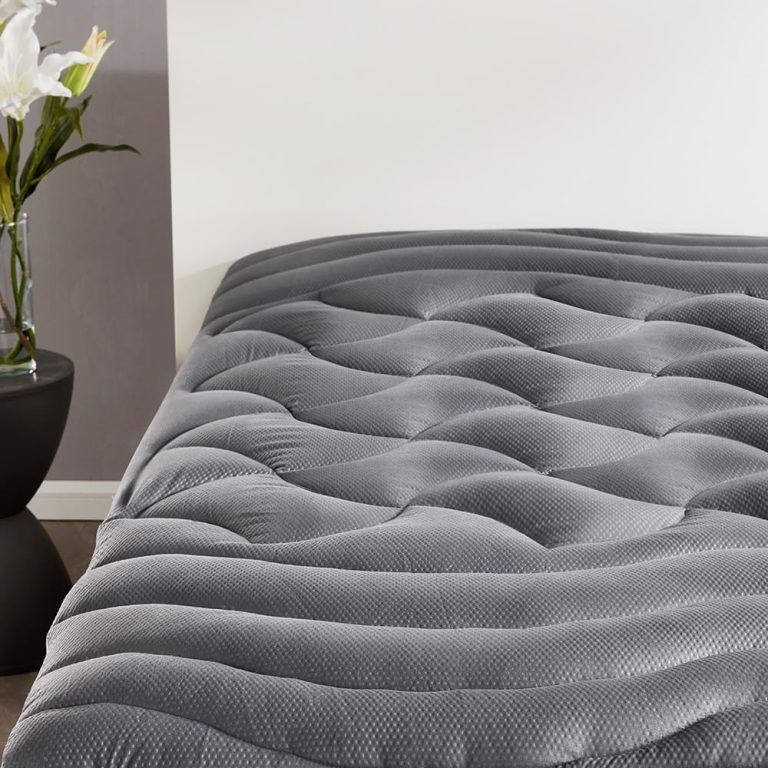
How to Find the Right Adjustable Bed Mattress Replacement
Yes, you can absolutely replace just the mattress on your adjustable bed base. You do not need to buy a whole new adjustable bed system if the base still works and the frame is in good condition. The key is getting the right type of mattress that can flex and bend without damage.
When you swap out the old mattress, the most common mistake is buying a standard innerspring mattress that is too rigid. We found that most adjustable bed bases are designed to be compatible with a wide range of modern mattresses, but you need to check the base’s weight limits and the mattress’s flexibility. Compatibility is the main issue, so measuring the base height and checking the headboard connections matters before you order.
TL;DR:
- You can reuse your existing base and just replace the mattress in most cases.
- Look for “flexible” or “adjustable bed compatible” labels on the new mattress.
- Rule out heavy, non-flexible innersprings and hybrid models for the best bend.
- Measure your bed base dimensions to make sure the new mattress fits perfectly.
- Check the warranty: some manufacturers void coverage if you mix brands.
Below, we walk you through everything you need to know about finding the right replacement mattress. We will cover sizing, material types, and the simple steps to check if your current base can handle a new top layer. Let’s sort out the details so you can get back to a great night’s sleep.
Swapping Out the Mattress on Your Adjustable Base
You already know you can reuse your base. Now, let’s figure out what to put on top of it. The process is simpler than you think once you understand how the base and mattress work together.
We found that most people only need to check a few key things before ordering. Get these right, and you will avoid the headache of a return.
Why a Regular Mattress Might Fail
Think of a standard innerspring mattress like a wooden plank. It is built to lie flat. When you bend the base, that rigid coil system fights the movement. The mattress lifts up in the middle, creating a gap between your back and the bed.
This gap causes pressure points. It also puts serious strain on the coils and foam layers. Over time, the mattress will sag or crack in the middle. Many experts say this is the number one reason for premature mattress failure on adjustable bases (Consumer Reports).
The “Bend Test” You Can Do at Home
Before you shop, check your current mattress. Lift the center of it while the base is flat. Does it flex easily in your hands? If it feels stiff and unyielding, it is not built for an adjustable frame. You need something that mimics the flexibility of a yoga mat, not a piece of plywood.
Measuring Your Base for the Perfect Fit
Grab a tape measure and get the exact dimensions of your base. Do not guess based on the old mattress size. We found that some “Queen” bases are slightly longer or wider than standard mattresses.
- Measure the length from the very top edge to the bottom edge.
- Measure the width across the middle of the frame.
- Check the depth of the base platform itself.
- Note the location of the headboard brackets and any side rails.
Your new mattress should be the same length and width. The thickness matters too. A mattress that is too thick (over 12 inches) can push against the headboard when raised. A mattress that is too thin (under 8 inches) may not provide enough support for the base’s articulation.
Choosing Materials That Bend and Flex
Not all foam is created equal. You need the right density and construction to handle the constant bending and straightening. We break down the best options below.
Memory Foam and Polyfoam
This is your safest bet. High-density foam bends easily and returns to its original shape. Look for a mattress that is specifically labeled “adjustable bed compatible.” These are usually made with thinner layers of foam to allow for a tighter bend radius.
We found that all-foam mattresses are the lightest option. This makes them easier to handle when you are changing sheets or moving the bed. They also absorb motion well, which is a bonus if you share the bed.
What About Latex Foam?
Latex is springy and durable. It responds well to pressure and bounces back quickly. However, natural latex can be heavy and expensive. It is a good choice if you want a more responsive feel than traditional memory foam.
Just make sure the latex is not too thick. A solid 3-inch layer of latex on top of a coil base might be too stiff. A thin latex layer over flexible polyfoam works much better.
Hybrid Mattresses: Proceed with Caution
Hybrids combine foam layers with a coil support core. You can use them on adjustable bases, but only if the coils are individually wrapped and have a low coil count. Pocketed coils are designed to move independently, which allows for some flexibility.
However, we found that many hybrids are just too rigid. The steel coils resist the bending motion of the base. If you love the feel of a hybrid, look for one with a “flexible” or “bendable” core. Check the product description for the word “adjustable” before you buy.
| Mattress Type | Flexibility | Best For |
|---|---|---|
| All-Foam (Memory/Poly) | Excellent | Most adjustable bases, side sleepers |
| Latex Foam | Good | Sleepers who want a bouncy feel |
| Hybrid (Pocketed Coils) | Fair | Back sleepers who need firm support |
| Traditional Innerspring | Poor | Avoid for adjustable bases |
Critical Checks Before You Click “Buy”
You found a mattress you like. Before you pull the trigger, run through this short list. It will save you time and return shipping fees.
Weight Limits and Motor Strain
Your base has a motor that lifts the mattress and your body weight. A heavy mattress can strain that motor over time. Check the owner’s manual for the base’s maximum weight capacity. Subtract your body weight and see what is left for the mattress.
We found that many bases have a total weight limit of 650 pounds. If you weigh 200 pounds, that leaves 450 pounds for the mattress and bedding. Most foam mattresses are safe, but some heavy hybrids can push the limit.
Check the Warranty Fine Print
This is a big one. Some mattress brands void their warranty if you use their product on a base from a different manufacturer. Other base brands require you to use their specific mattress to keep the full warranty active.
Read the warranty terms for both the base and the mattress. Many experts say this is the most overlooked detail in the entire process. A quick phone call to customer service can clarify this for you.
Split King or Single King Considerations
If you have a split king base (two twin XL frames), you need two twin XL mattresses. This is simple. But, you also need to decide if you want the two halves to feel the same.
We recommend buying the same model for both sides. This keeps the sleep surface even. Mixing different mattress types on a split base can create a noticeable ridge in the middle.
Step-by-Step Replacement Guide
Once your new mattress arrives, the swap is straightforward. You do not need special tools. Here is the process we recommend following.
- Remove all bedding and the old mattress from the base.
- Clean the base surface with a damp cloth to remove dust and debris.
- Check the base for any loose screws or worn parts while it is empty.
- Lay the new mattress on the base, aligning the corners properly.
- Allow the mattress to expand fully for 24 to 48 hours before sleeping on it.
Foam mattresses come compressed in a box. Do not rush the expansion. Sleeping on it too early can cause permanent indentations.
A Quick Checklist Before You Order
You are almost ready to shop. Use this list to keep yourself on track.
- Measure your base length and width exactly.
- Confirm the base’s maximum weight limit.
- Choose a mattress labeled “adjustable bed compatible.”
- Check both warranties for brand compatibility rules.
- Decide on thickness (8-10 inches is a sweet spot).
- Verify the return policy in case the fit is off.
Following this checklist will help you avoid the most common pitfalls. A little planning now means better sleep for years to come.
Conclusion
Replacing just the mattress on your adjustable base is a smart, budget-friendly move. You do not need a whole new system when the frame and motor are still working well. The real secret is picking a flexible mattress that bends without fighting the base.
Stick with all-foam options or a specifically labeled “adjustable compatible” hybrid. Measure your base first and check both warranties before you order. A mattress between 8 and 10 inches thick usually gives you the best balance of comfort and bend.
Your next step is simple: grab a tape measure and check your base’s dimensions and weight limit right now. Once you have those numbers, you can shop with total confidence and get back to sleeping great.
Frequently Asked Questions
How do I know if my current mattress works with an adjustable base?
Try the bend test we mentioned earlier. Lift the center of your mattress while the base is flat. If it bends easily in your hands, it will likely work. If it feels stiff or resists flexing, you need a replacement.
Can I use a box spring with an adjustable bed frame?
No, you should not use a traditional box spring on an adjustable base. The rigid wooden frame will not bend and can damage both the base and the mattress. Modern adjustable bases are designed for mattresses that sit directly on the metal platform.
Will a thicker mattress damage my adjustable bed base?
Thick mattresses over 12 inches can strain the motor over time. They also push against the headboard when you raise the head section. We recommend staying in the 8 to 10 inch range for the best performance and longevity.
What happens if I use a non-compatible mattress on my adjustable base?
You risk premature sagging, cracking, and gaps forming between the mattress and the base when it bends. The coils can break down faster, and you may void your warranty. Always check the mattress label for adjustable bed compatibility before buying.
Can I just flip my old mattress instead of buying a new one?
Flipping a worn mattress only works if it is double-sided, which is rare with modern foam models. If your current mattress is too rigid for the base, flipping it will not fix the flexibility problem. You are better off investing in a proper replacement.