Bed vs Mattress vs Cot: Key Differences Explained
A bed is the complete sleeping setup (frame, mattress, and often a foundation), while mattress is just the comfort layer you sleep on, and a cot is a small, enclosed bed designed for babies or toddlers. The simplest way to understand the difference: a mattress is the part you lie on, a bed is the frame that holds it up, and a cot is a safety-focused miniature bed for young children.
When you shop for sleep products, the terms can get confusing fast. You might see “bed in a box,” “mattress sale,” or “portable cot” and wonder what actually fits your needs. We found that most adults only need to choose between a mattress and a bed frame, while parents of infants and toddlers will need to understand cot safety standards and sizing.
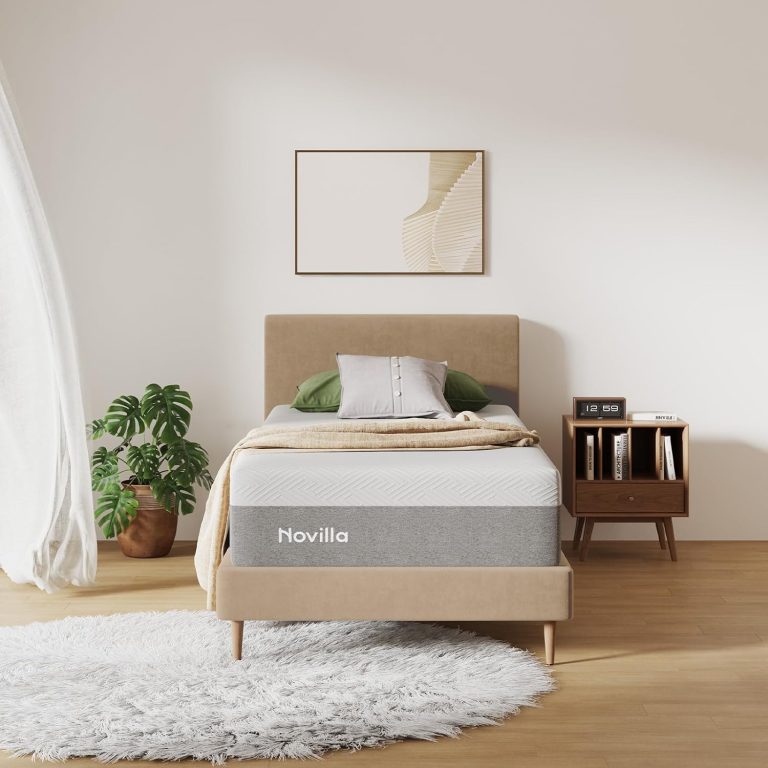
- Mattress: Just the sleeping surface. You can place it directly on the floor or on any frame.
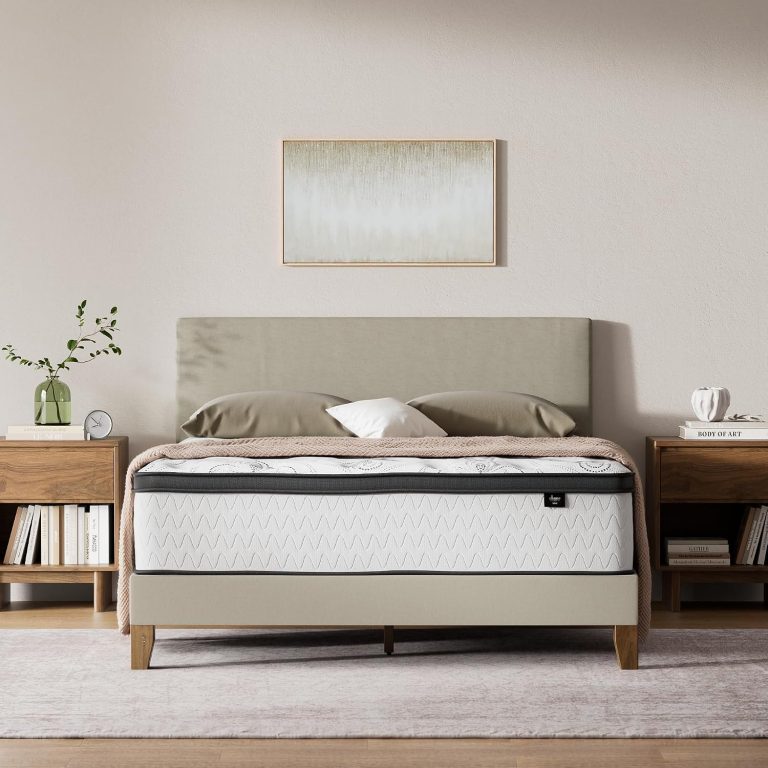
- Bed: The full furniture piece, including the frame, headboard, and sometimes box spring. The mattress is sold separately.
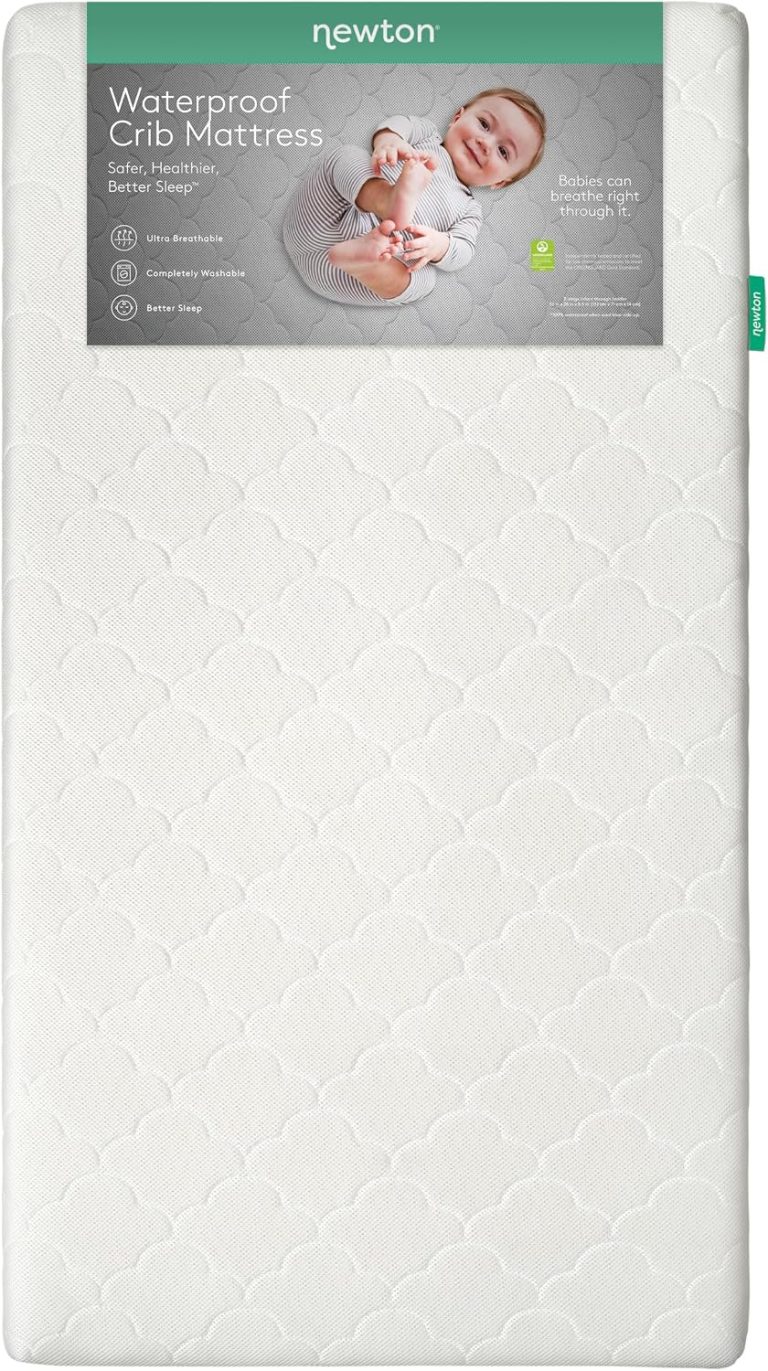
- Cot: A small enclosed bed with high sides for babies and young kids. It is not an adult product.
- Easy rule: If you are an adult, buy a mattress and decide on a bed frame separately. If you have a baby, buy a cot.
- Key difference: You cannot sleep on a bare bed frame comfortably, and you cannot put an adult mattress in a cot.
Below, we break down exactly what each piece does, how they work together, and which one you actually need to buy.
Breaking Down the Bed, the Mattress, and the Cot
You are basically building a sleep system, and each piece plays a specific role. Think of it like a sandwich. The mattress is the filling, the bed frame is the bread holding it together, and the cot is a kid-sized carry-out container. Once you see them as separate items with separate jobs, the whole shopping process gets easier. Let’s strip away the marketing lingo and look at the actual hardware.
We found that most confusion happens because stores sell “beds” that don’t include a mattress. That is the biggest trap for first-time buyers. You order a beautiful wooden frame, it arrives, and you have nothing soft to sleep on. Knowing exactly what each item is will save you time and a lot of frustration at the delivery dock.
The Mattress: Your Primary Comfort Layer
The mattress is the rectangular pad you lie on. It provides support for your spine and cushioning for your pressure points. It is the most important purchase for your sleep quality. You can technically skip the bed frame entirely and put a mattress on the floor, and you will still sleep fine. Many minimalists do exactly that.
Your mattress does not care what it sits on. It will work on a box spring, a slatted platform, or just a rug. The main goal is keeping it clean and ventilated so moisture doesn’t build up. We found that most adults spend roughly one-third of their lives on this single item, so the material and firmness matter more than the brand name.
Types of Mattresses You Will See
You have choices here, but don’t overload your brain. The three main categories are innerspring, foam, and hybrid. Innerspring uses metal coils and feels bouncy, while foam molds to your body and absorbs motion. A hybrid combines both for a balanced feel, and many experts say that is a safe middle ground for couples.
Follow the “one size fits most” rule if you are unsure. Research shows that medium-firm mattresses are the sweet spot for lower back pain relief, according to the Annals of Internal Medicine study. Do not get a rock-hard bed just because someone told you it is “healthy.” Your hips and shoulders need some give to stay aligned.
The Bed Frame: The Support Structure You Stand On
The bed frame is the metal or wood structure that lifts the mattress off the floor. It provides a stable base, raises you to a comfortable height, and makes the room look intentional. Without a frame, you are essentially sleeping like a college student on a futon. It works, but it is not ideal for anyone over the age of 22.
Frames come in two big groups: platform beds and traditional frames. A platform bed has a solid or slatted base that does not need a box spring. A traditional frame has rails and requires a separate box spring or foundation under the mattress. Check the height and sturdiness before you buy. We found that heavy wooden frames are quieter than lightweight metal ones, especially if you toss and turn at night.
Can You Sleep Without a Bed Frame?
Yes, you absolutely can. Placing a mattress directly on the floor is common in Japanese aesthetics and works great for back sleepers. The drawbacks are dust, lack of airflow, and difficulty getting up for older adults. If you do this, flip the mattress weekly to help it breathe and avoid moisture trapping against the carpet. Learn the difference between flipping versus rotating your mattress to extend its life.
Most people eventually buy a frame because it makes the bed easier to get in and out of. Plus, you stop looking like a temporary resident. A simple metal platform frame costs less than a fancy headboard setup and takes ten minutes to assemble. You do not need to spend a fortune on the frame; just focus on it being level and strong.
Comparing a Cot to a Adult Bed Setup
Now we get to the noticeable difference. A cot is not a smaller version of an adult bed. It is a completely different product with strict safety rules. Cots, also called cribs in some regions, are designed for infants and toddlers up to about three years old. They have high sides to prevent falls and a firm, tight mattress to reduce suffocation risks.
You cannot use a regular twin mattress in a cot. They are wildly different sizes. A full-size back breaker for a baby is a tragedy waiting to happen, and the gap between the mattress and the frame can trap little arms or legs. Standard cot dimensions are much smaller and shorter than even a toddler bed.
Why You Cannot Swap a Mattress Into a Cot
Safety is the number one reason. The US Consumer Product Safety Commission sets strict guidelines for crib sizes and spacing. The mattress must fit snugly with no gaps around the edges. If you try to wedge an adult mattress in there, you will create dangerous gaps you cannot see in the dark.
There is also the weight and height factor. Cots are built low to the ground to reduce injury from falling. A heavy adult mattress would compromise the frame’s structural integrity. Many experts say that using the cot-specific mattress that comes with the furniture is the only safe route. You are not being scammed; you are being protected from physics.
When to Transition from Cot to a Bed
Most kids outgrow their cot between age two and three. You know it is time when they start climbing over the rails, which is a serious fall hazard. Pediatricians recommend transitioning to a toddler bed or a low twin bed once the child reaches 35 inches tall or can clearly climb out. Do not wait until they try to escape at 2 AM.
The transition is easier if you keep the same mattress or move the cot mattress to the floor. This creates a “big kid bed” without the height risk. You can use the cot mattress on the floor as a segue bed for a few weeks. This helps the toddler adjust to the new freedom without the fear of falling a foot or more to the ground.
Key Differences Between a Bed and a Mattress
Here is the honest truth: a bed is a piece of furniture, and a mattress is a sleep surface. One without the other is incomplete. We found that people often say “I need a new bed” when they really just need a new mattress. The frame could be perfectly fine, but the comfort layer is worn out and sagging in the middle.
Look at the age of your setup. If the mattress is older than 7-8 years, that is your problem. Research indicates that most mattresses lose significant support after 5 years of nightly use (National Sleep Foundation). A new frame will not fix a broken back, so do not fall for the “bed sale” marketing when you need a mattress replacement.
What Ships in the Box
When you order online, the terminology gets blurry. A “bed in a box” usually contains just the mattress, compressed and rolled up. The name is misleading; there is no frame in that box. A “bed frame” ships as a separate flat box with metal rails or wooden slats. You have to assemble them separately.
The same goes for products labeled “platform bed.” That is the frame only. If you see a price that seems too good to be true for a complete “bed,” check the fine print. We found that 9 out of 10 times, the mattress is sold separately. The total price for a frame and mattress together can be double the advertised price.
The Cost Breakdown You Should Expect
A bare mattress costs anywhere from $300 to $2,000 depending on materials. A basic platform frame costs $150 to $400. A full matching bedroom set with a headboard and footboard runs $800 to $3,000 plus. The headboard is purely cosmetic, so you can skip it if you want to stay on a budget.
Cots are a different price tier entirely. A safe, certified cot with a mattress runs $150 to $600. The cost is lower because they are smaller and use less material. You are paying for the craftsmanship and safety testing, not for bulk. Do not buy a secondhand cot from too long ago; outdated models may not meet current safety standards.
Making the Right Buying Decision for Your Home
Ask yourself one simple question before clicking buy: “What exactly am I missing?” If you have a frame but a saggy mattress, buy a mattress. If you own a great mattress but it sits on the floor, buy a frame. If you are having a baby, buy a cot and a cot-specific mattress. That is the entire decision tree right there.
There is no reason to overthink the vocabulary. We are just trying to get you a good night’s rest without wasting money. Focus on the item that directly addresses your sleeping problem. If you are waking up sore and tired, it is the mattress. If your bedroom looks like a dorm room and you are 30, it is the frame.
Quick Buying Checklist
Use this list before you add anything to your cart. It takes thirty seconds and prevents buyer’s remorse:
- Measure your room width and height to ensure a frame fits visually.
- Check the mattress size (Twin, Full, Queen, King) against your existing frame slats.
- Look for a 100-night trial period for mattresses to test comfort at home.
- Confirm the frame has enough center support to prevent sagging.
- For infants, verify the cot meets current CPSC safety standards with no drop-side rails.
- Factor in delivery assembly costs if you are not handy with a wrench.
What We Recommend You Skip
Skip the box spring unless your mattress specifically requires it. Modern memory foam mattresses do not need one. Skip the expensive luxury mattress protectors that cost $100. A cheap cotton one works fine. Skip the lie that “more expensive means better” for frames. The basic steel frame from a big-box store is often sturdier than a designer wooden one.
Also, skip the trend of buying a cot for a 5-year-old. That is a safety issue. Finally, do not ignore your warranty. Most mattresses have a 10-year warranty, but you will void it if you use an improper base like wire box springs with a slatted frame. Read the warranty terms to keep your investment protected for the long haul.
Conclusion
Here is the short version: a mattress is what you sleep on, a bed frame is what holds it up, and a cot is a safety-first sleeping space for your baby. You do not need to buy a full “bed” if your frame is still solid. Most sleep problems come down to a worn-out mattress, not a broken frame.
Your next move is simple. Measure your room, figure out what is actually missing, and write down your budget. If you wake up sore, replace the mattress. If your setup sits on the floor, grab a basic platform frame. If you have a little one under three, get a certified cot. That is the whole decision. You have everything you need to shop with confidence now.
Frequently Asked Questions
Can you use a crib mattress in a regular bed frame?
No, you cannot. Crib mattresses are much smaller than even a twin size. They will slide around on a standard bed frame and leave dangerous gaps on the sides. You would need a special toddler bed conversion kit to make it work safely.
Is a platform bed the same as a box spring?
No, they are different support systems. A platform bed has a solid or slatted base built into the frame, so you do not need a box spring. A box spring is a separate foundation that goes between your mattress and a traditional metal rail frame. Most modern mattresses work fine on a platform without any extra layers.
Do adults ever need a cot?
No, cots are strictly for infants and toddlers up to about three years old. Adults need a standard mattress size. If you are looking for something portable for travel, you want a camping cot or a rollaway bed, not a baby cot. The terms are not interchangeable.
Why do mattress stores call everything a “bed”?
Stores use “bed” as a catch-all marketing term because it is easier to say than “mattress and frame set.” This causes real confusion at checkout. We found that when a store advertises a huge discount on a “bed,” they almost always mean just the mattress. Always read the product description to see what is actually included.
Can you put a regular mattress directly on the floor for a toddler?
Yes, this is a common and safe transition step from a cot. Place a standard twin mattress flat on the floor in a corner. Use a bed rail on the open side if you want extra protection. This gives your toddler the freedom of a big bed without the danger of falling from a high frame.