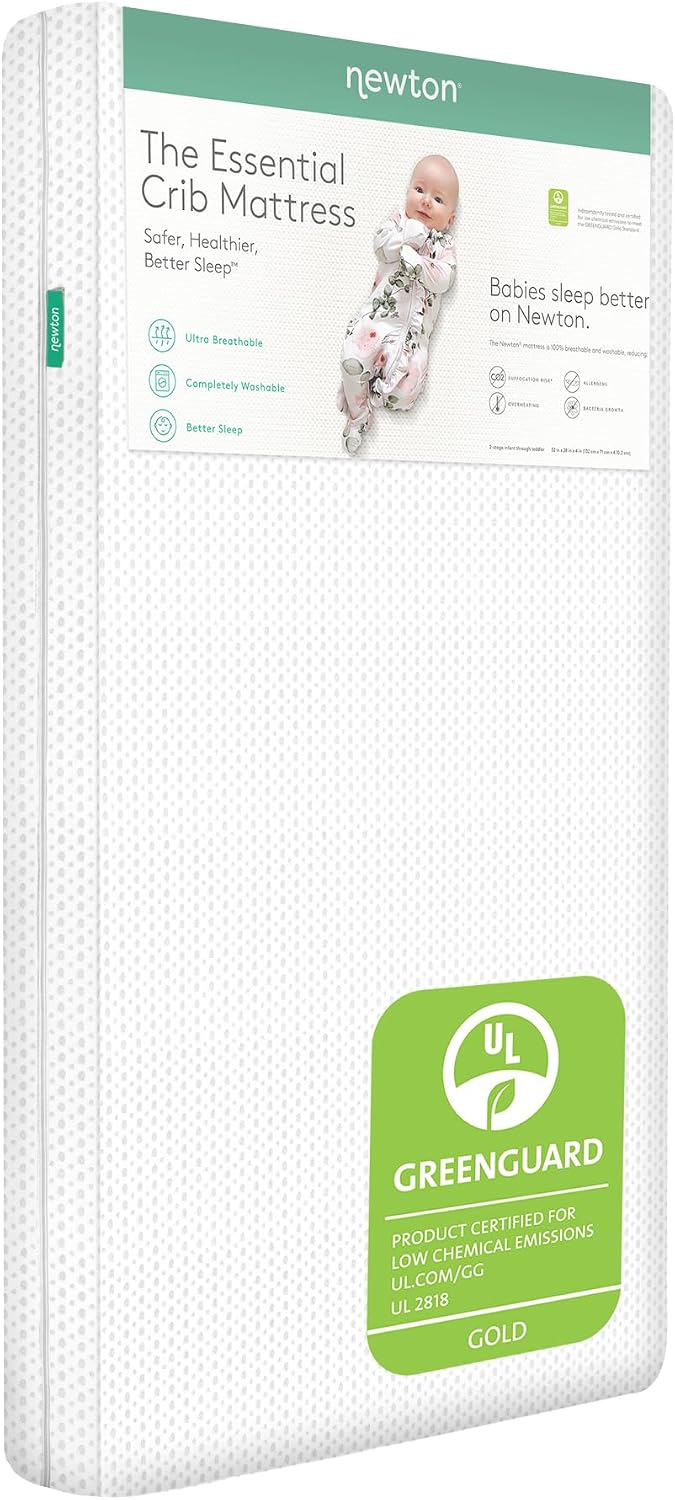
Can Your Mattress Cause Back Pain? What to Know
Yes, your mattress can absolutely cause back pain. A bed that is too soft, too hard, or simply worn out fails to support your spine’s natural curve, leading to stiffness and soreness by morning. An unsupportive mattress is a common culprit behind that nagging ache in your lower back.
We found that your sleeping position and the age of your mattress matter just as much as its firmness. When your spine is misaligned all night, the muscles in your back work overtime to compensate. Knowing what to look for can help you figure out if your bed is the problem before you spend money on a new one.
- Your mattress can cause back pain if it lacks proper support.
- An old mattress (over 7-10 years) can lose its supportive shape.
- Your sleep position determines the best mattress firmness for you.
- Try adjusting your setup or getting a topper before buying new.
- See a doctor if your pain persists for more than a few weeks.
Below, we break down exactly how your bed affects your spine and what you can do to fix it. Let’s walk through the signs, the quick fixes, and the simple checklist to help you sleep pain-free again.
Why Your Bed Is Waking You Up Sore
Your mattress is the foundation of your nightly rest. When it stops providing proper support, your body pays the price. The connection between your bed and your aching back is real, and it happens more often than most people think.
Think of your mattress like the suspension system in your car. If it goes bad, every bump in the road hits you harder. The same idea applies to your spine at night.
How a Mattress Misaligns Your Spine
Your spine has a natural S-curve. That curve keeps your head centered over your pelvis and distributes your weight evenly. A good mattress fills the gaps along that curve so your muscles can relax completely.
When the mattress sags or is too firm, those gaps are left unsupported. Your back muscles keep working all night just to hold your spine in place. By morning, they are exhausted and sore.
The Soft Mattress Problem
Memory foam that is too plush feels great when you first lie down. But your hips and shoulders sink too deep. That sinks your pelvis below your spine, creating a banana-shaped curve. Many people wake up with a deep ache in their lower back after sleeping on an overly soft bed.
The Hard Mattress Problem
On the flip side, a rock-hard mattress won’t let your hips and shoulders sink at all. Your spine stays straight, but the pressure points build up. This leads to poor blood flow and restless tossing. You might wake up with shoulder or hip pain that radiates into your back.
Is Your Mattress Too Old to Help?
Age is a huge factor in back pain and mattresses. Most experts agree that a quality mattress lasts about seven to ten years. After that, the materials break down and lose their shape.
We found that many people hold onto mattresses for much longer than they should. If your bed has a visible sag or you can feel the springs, it is time to start shopping.
Simple Signs Your Mattress Has Worn Out
- There is a visible dip or sag in the middle where you sleep.
- You wake up feeling more rested on a hotel bed or couch.
- The mattress is lumpy, creaky, or has uneven spots.
- Your allergies have gotten worse (dust mites love old beds).
- You flip or rotate it, but the support does not improve.
- The mattress is more than eight years old.
If you checked three or more of those boxes, your mattress is likely part of the problem. Research from the National Institutes of Health points to poor sleep surfaces as a major contributor to chronic back stiffness.
How Your Sleep Position Changes Everything
Your favorite sleeping position is the biggest clue for what firmness you need. A mattress that works for a side sleeper may be terrible for a stomach sleeper. You have to match the bed to your body.
Let us break down what each position needs from your mattress.
Back Sleepers and Neutral Alignment
Back sleepers need a medium-firm feel. That firmness supports the lower back while still allowing some sink at the shoulders and hips. A mattress that is too hard creates pressure, and one that is too soft lets your hips sink too far.
Many guidelines from the Cleveland Clinic suggest that back sleepers benefit most from a mattress that keeps the spine in a neutral position. Your lower back should keep its natural inward curve all night.
Side Sleepers Need Pressure Relief
Side sleeping is the most popular position in the US. It is also the one that needs the most cushioning. Your hips and shoulders press into the mattress, and if it does not give, you get painful pressure points.
We found that side sleepers often do best with a soft to medium mattress. The foam or padding should cradle your hips and shoulders so your spine stays straight from neck to tailbone.
Stomach Sleepers Need Extra Firmness
Stomach sleeping is the toughest on your lower back. When you lie on your stomach, your midsection sinks into the bed. That hyperextends your spine and pulls your lower back into an arch.
Experts recommend a firm mattress for stomach sleepers. The firm surface keeps your hips level and reduces the arch. If you cannot switch positions, you need a bed that does not let your hips drop at all.
Can You Fix a Bad Mattress Without Buying a New One?
Before you drop hundreds of dollars on a new bed, there are a few cheaper fixes to try. We found that some people can extend the life of their mattress with simple adjustments.
Try a Mattress Topper First
A good topper can change the feel of your bed completely. If your mattress is too firm, a plush memory foam topper adds softness. If it is too soft, a firm latex topper can add support.
Toppers cost between fifty and two hundred dollars. That is a fraction of the price of a new mattress. It is worth trying before you make a bigger purchase.
Check Your Foundation and Box Spring
Sometimes the mattress is fine, but the support underneath is broken. A damaged box spring or a sagging bed frame can make a good mattress feel terrible. Check the slats and the base of your bed for any give or movement.
Many guidelines point to a solid, flat foundation as essential for mattress performance (Mayo Clinic). If your foundation is bad, your mattress will follow its shape and sag with it.
A Quick Comparison of Mattress Types for Back Pain
If you do decide to shop for a new bed, you will see a few main types. Each one has its own feel and benefits for back pain.
| Mattress Type | Best For | Common Downside |
|---|---|---|
| Memory Foam | Pressure relief and contouring | Can sleep hot and trap body heat |
| Innerspring | Firm support and airflow | Less pressure relief for hips |
| Hybrid | Balanced support with foam comfort | Heavier and more expensive |
| Latex | Responsive support that is cooler | Can be very expensive |
There is no single “best” type for back pain. The right choice depends on your weight, your sleeping position, and your personal preference. Many sleep experts say the best mattress is the one that keeps your spine in a neutral line.
When Back Pain Is Not the Mattress
You should also know when your mattress is not the real problem. Some back pain has nothing to do with your bed at all. If you switch mattresses and the pain stays, it might be time to look elsewhere.
Muscle Strain and Everyday Habits
Poor posture at your desk, lifting heavy objects, and lack of exercise all cause back pain. These issues do not go away with a new mattress. Your bed might just be where you notice the pain the most.
Research from the National Institutes of Health found that a sedentary lifestyle is a major factor in chronic back pain. Sitting all day weakens your core muscles, and that weakness shows up at night.
Medical Conditions That Cause Back Aches
Conditions like herniated discs, spinal stenosis, and arthritis can cause severe back pain. These require medical treatment, not a new mattress. If your pain is sharp, shoots down your leg, or is accompanied by numbness, see a doctor right away.
We found that most people with serious back conditions still benefit from a better mattress. But the mattress is a support tool, not a cure.
How to Test a Mattress Before You Buy
Buying a mattress online is convenient, but testing one in a store is smart. You can feel the support and pressure relief immediately. Spend at least ten minutes lying on any mattress you are considering.
The 10-Minute Lying Test
Lie down in your normal sleeping position. If you are a side sleeper, roll onto your side. If you are a back sleeper, lie flat on your back. Pay attention to how your spine feels.
Check for gaps between your lower back and the mattress. You should feel support, not pressure. The mattress should follow your curves without letting your hips sink too deep.
Order Online With a Long Trial
Online mattress companies offer sleep trials that range from 30 to 100 nights. These trials let you test the mattress at home in your own bed. Most have free returns, so there is little risk.
Many experts say a 90-night trial is the gold standard. It takes your body a few weeks to adjust to a new sleep surface. Give it a full month before you decide if it works.
Your Final Checklist Before You Blame the Bed
We want to leave you with a clear path forward. Use this checklist to decide if your mattress is causing your back pain.
- Check for visible sagging or lumps in the mattress surface.
- Note if your pain is worse in the morning and fades during the day.
- Test your mattress on the floor to rule out a bad foundation.
- Try a topper for two weeks to change the feel of your bed.
- Match your firmness level to your sleeping position.
- See a doctor if the pain lasts more than a few weeks.
Your mattress should be a place of recovery, not a source of pain. If your bed is more than seven years old, sagging, or just not matching your body, it is probably time for a change. Your back works hard all day. Give it the support it needs at night.
Conclusion
Your mattress can absolutely be the reason you wake up with a sore back. We walked through how soft beds let your hips sink, hard beds create pressure points, and old beds just lose the support your spine needs. Your sleep position matters just as much as the mattress itself.
Before you buy anything new, check for visible sagging and try a mattress topper. Those quick fixes can save you a lot of money. If your bed is older than seven years or you checked off several warning signs, it is probably time to shop for a replacement.
Your best next step is simple: test your current setup tonight. Lie down in your normal position and pay attention to where you feel pressure or gaps. That tells you exactly what your back needs. Give your body the support it deserves, and you will feel the difference by morning.
Frequently Asked Questions
How long does it take for a new mattress to fix back pain?
Most people notice some improvement within the first week of sleeping on a new mattress. Your body needs a full 30 days to fully adjust to a different sleep surface. We found that giving it a solid month is the best way to judge if the mattress is actually working for you.
Is a firm or soft mattress better for lower back pain?
There is no single answer that works for everyone. A medium-firm mattress is the most common recommendation for lower back pain because it balances support with pressure relief. Your sleeping position matters more than the firmness level alone.
Can sleeping on the floor help my back pain?
Sleeping on the floor can temporarily relieve back pain for some people because it forces your spine into a neutral position. The hard surface removes the sagging problem entirely. But most people find it too uncomfortable to sleep through the night, so it is not a long-term solution.
How often should I replace my mattress to avoid back pain?
Most quality mattresses last between seven and ten years before they start losing support. If you wake up with back pain that was not there before, check the age of your bed first. A sagging mattress older than eight years is almost always worth replacing.
Will a mattress topper help with back pain from a bad bed?
A topper can help if your mattress is still structurally sound but just feels too firm or too soft. Memory foam toppers add cushioning, while firm latex toppers add support. We found that a topper works best as a temporary fix while you save up for a new mattress.