Can Mattress Go Directly on Floor? Pros and Cons
Yes, you can put your mattress directly on the floor, and many people do it successfully. It’s a simple, budget-friendly sleeping setup that works great in a pinch. However, mattresses on the floor need extra airflow to prevent mold and moisture buildup from ruining your bed.
Sleeping low to the ground is actually a popular choice for minimalists and anyone living in a small space. We found that the biggest trade-off is between the cost savings and the potential downsides, like dust collecting and making it harder to get up in the morning. While it’s totally safe for most people, you have to be smart about it.
- It’s safe — but you must air out your mattress regularly to prevent mold.
- Ventilation is key — place a slatted base or rug underneath for airflow.
- Expect more dust — you will need to vacuum and sweep more often.
- It may void your warranty — check the fine print before you commit.
- Not ideal for everyone — older adults or those with back issues may struggle getting up.
Below, we break down exactly how to make a floor mattress work for you, what to watch out for, and the simple steps to keep your bed fresh and comfortable.
Putting Your Mattress on the Floor: What You Need to Know First
So you are thinking about skipping the bed frame. Good news: it is totally doable. We found that the floor-mattress lifestyle works best when you plan ahead. The main thing is understanding how your mattress reacts to being on the ground. Without a frame, airflow drops. That can trap heat and moisture. Over time, that moisture can lead to mold or mildew. Many experts say that proper ventilation is the difference between a cozy setup and a science experiment.
You also want to think about your floor type. Hardwood, carpet, and tile all behave differently. Each one affects temperature and dust levels. We will walk you through the good, the bad, and the must-dos for each scenario.
The Hidden Risk: Moisture and Mold
Here is the thing nobody tells you. Your body loses moisture while you sleep. You sweat, you breathe, and that moisture goes straight into your mattress. Normally, air circulates underneath to dry it out. On the floor, that air is blocked. Research from the National Institutes of Health shows that damp environments are prime breeding grounds for dust mites and mold spores. That is not something you want to sleep on every night.
We found that the fix is simple. You need airflow underneath. Even a few inches of space makes a huge difference. If you want the floor aesthetic, use a low-profile platform or slatted base. If you are fully committed to no frame, then you must flip and air out your mattress weekly. Yes, weekly. That is the price of admission for this minimalist setup.
Dust and Allergens: Expect More Cleaning
Let’s be honest. The floor is where dust lives. When your mattress is down there, it acts like a giant filter. It collects everything that settles on the ground. Pet hair, dead skin cells, dust bunnies — they all find their way into your bedding. Many guidelines point to regular vacuuming as the best defense (Asthma and Allergy Foundation).
You will need to vacuum the floor around your bed at least twice a week. We also recommend washing your sheets more often. Weekly is good. Every five days is better if you have pets. And use a mattress protector. This is non-negotiable. A good waterproof protector keeps dust and moisture away from the foam and coils. It will extend the life of your mattress by years.
Weighing the Benefits of a Floor Mattress Setup
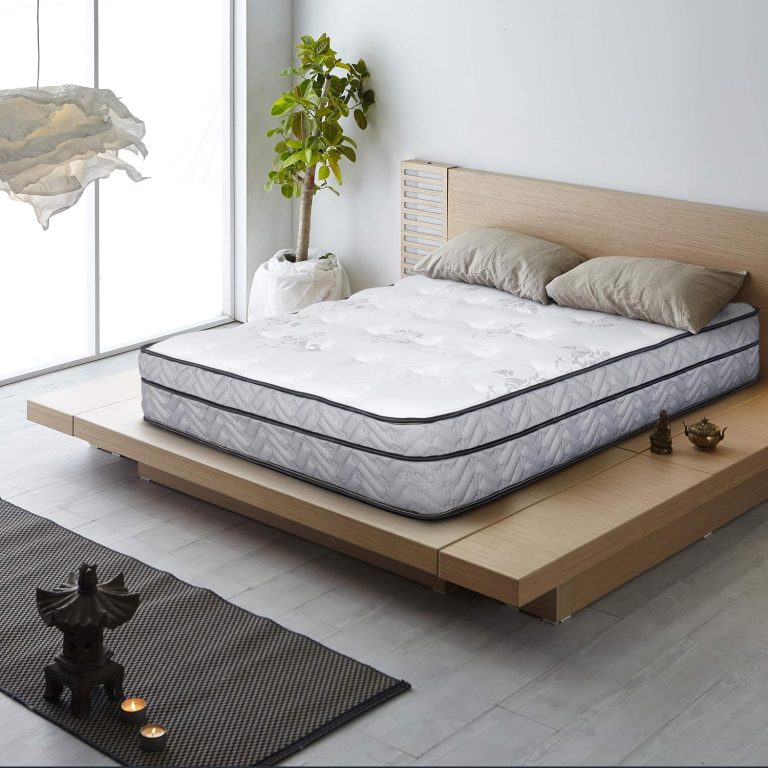
Why do people do this in the first place? We found three big reasons. First, it is cheap. You save hundreds of dollars by skipping the frame. Second, it saves space. A low bed makes a small room feel bigger and taller. Third, some people just like the grounded, Japanese-inspired aesthetic. It feels calm and minimal.
There is also a practical side. If you are moving frequently or living in a temporary space, a floor mattress is easy to roll up and relocate. You do not have to disassemble anything. You just pick it up and go. That flexibility is a major win for renters and students.
When a Floor Mattress Is a Bad Idea
We have to be straight with you. This setup is not for everyone. If you have mobility issues, getting up from the floor is tough. It puts a lot of strain on your knees and lower back. The Centers for Disease Control and Prevention notes that falls are a major risk for older adults. A low bed makes that risk higher. If you are over 60 or have joint problems, stick with a regular frame.
Also, if you have asthma or severe allergies, think twice. The floor traps more dust and dander. You can manage it with cleaning, but it is extra work. And if you live in a humid climate, the mold risk is higher. You will need to be diligent about airing out your mattress. If that sounds like a chore, a frame is the safer bet.
How to Set Up a Mattress on the Floor the Right Way
Okay, you have decided to go for it. We respect that. Here is how to do it without ruining your mattress or your health. The setup is simple, but there are a few steps you should not skip. We found that following this routine keeps your bed fresh and comfortable.
Start with the floor itself. Make sure it is clean and dry. Wipe down hard floors with a damp mop. Vacuum carpets thoroughly. Then let everything dry completely. You do not want to trap any moisture under your mattress. That is step one.
Choosing the Right Base Layer
Even on the floor, you need a base. A solid mattress directly on the concrete or hardwood is a recipe for mold. We recommend using a slatted platform or a thin rug. Here is the breakdown:
- Slatted wood base: Best for airflow. It raises the mattress just an inch or two, but that is enough.
- Thick area rug: Good for insulation, but it blocks airflow. Use only in dry climates.
- Concrete floor: Always use a moisture barrier. Concrete sweats and transfers dampness.
- Carpet: Softer, but it holds dust and odors. Use a protector.
We found that the slatted base is the winner. It gives you the low profile you want without the moisture risk. You can buy a simple one online or build one with wood slats and a frame. It does not have to be fancy. It just needs to breathe.
What to Do If You Have a Memory Foam Mattress
Memory foam is tricky. It traps heat naturally. On the floor, it gets even warmer. We found that memory foam mattresses need the most airflow. Without it, they soften and lose support faster. If you have one, definitely use a slatted base. And consider a cooling mattress pad to help regulate temperature. Many experts say this is essential for foam in low-ventilation setups.
Airflow Hacks to Keep Your Mattress Fresh
You cannot just set it and forget it. You need a routine. We found that a little maintenance goes a long way. Here is what we recommend:
- Flip or rotate your mattress every two weeks.
- Prop it against a wall for a few hours each week to air out the bottom.
- Use a box fan or open windows to keep the room dry.
- Run a dehumidifier if you live in a humid area.
These steps take ten minutes a week. They prevent the two biggest floor mattress problems: mold and sagging. It is worth the effort.
Warranty and Durability: Read the Fine Print
Before you commit, check your mattress warranty. This is a big one. We found that many manufacturers void the warranty if the mattress is not on a proper foundation. They consider a slatted frame or solid base “proper support.” A bare floor often does not qualify. That means if your mattress sags or develops a defect, you are out of luck.
Read the warranty card that came with your mattress. If it does not mention the floor, call the manufacturer and ask. It is a five-minute call that could save you hundreds of dollars later. If they say no, you have to decide. Is the cost savings worth losing the warranty? For many people, yes. But you should make that choice with open eyes.
Durability is another factor. A mattress on the floor absorbs more impact from daily use. You sit on the edge harder. You put more pressure on one spot. Over time, that can cause sagging and indentations. We found that using a rug or base underneath helps distribute weight more evenly.
Daily Habits That Make Floor Sleeping Easier
Once your setup is solid, your daily routine matters. We found that the people who love floor mattresses are the ones who stay consistent. Here is a quick checklist to keep your bed in top shape:
- Make your bed daily to prevent dust from settling into the sheets.
- Vacuum around the bed every other day to cut down on allergens.
- Wash bedding weekly in hot water to kill dust mites.
- Keep pets off the bed to reduce dander and dirt buildup.
- Check under the mattress monthly for any signs of mold or dampness.
- Air out the room daily to keep humidity levels low.
Follow that list, and your floor mattress will stay fresh for years. Skip it, and you will be replacing your mattress sooner than you planned. The choice is yours.
Comparing Floor Mattresses to Traditional Frames
Still on the fence? We get it. It is a big decision. Let us break down the real differences. Here is a simple comparison to help you decide:
| Factor | Floor Mattress | Bed Frame |
|---|---|---|
| Cost | Free (no frame needed) | $100 – $500+ |
| Airflow | Poor without base | Excellent |
| Dust buildup | High | Low |
| Getting up | Harder | Easier |
| Warranty safety | Risky | Usually required |
| Space saving | Great for small rooms | Takes up visual space |
We found that the table paints a clear picture. The floor setup wins on cost and space. The frame wins on comfort and convenience. There is no right answer. It depends on your priorities. Think about your lifestyle. Think about your body. Then choose what works for you.
Conclusion
You can absolutely put your mattress directly on the floor, but it takes a little extra care. The biggest risk is moisture building up under your mattress, which can lead to mold and mildew. Your main job is to keep air flowing underneath and stay on top of cleaning.
We think the floor setup works best if you use a slatted base or a breathable rug, flip your mattress regularly, and commit to a weekly cleaning routine. You also need to check your warranty and be honest about whether you can get up from the floor comfortably. If you are ready to try it, start with a clean, dry floor and a good mattress protector. That simple step makes a world of difference.
Frequently Asked Questions
Will a mattress on the floor get moldy?
Yes, it can if you do not manage airflow. Your body releases moisture while you sleep, and that dampness gets trapped between the mattress and the floor. You can prevent mold by lifting the mattress against a wall for a few hours each week and using a slatted base underneath.
Is sleeping on a mattress on the floor bad for your back?
Not necessarily. The floor provides a firm, even surface, which some people find helps with back pain. The bigger issue is getting up and down. If you struggle with mobility or have knee problems, a low setup can put extra strain on your joints.
What is the best thing to put under a mattress on the floor?
A slatted wood base is your best option because it allows air to circulate. A thin rug works for insulation, but it blocks airflow. If you have concrete floors, you absolutely need a moisture barrier like a plastic sheet or a waterproof mat to keep dampness away.
Do you need a box spring if the mattress is on the floor?
No, you do not need a box spring when the mattress is on the floor. A box spring is designed to lift the mattress and absorb shock. On the floor, you just need a breathable layer between the mattress and the ground to prevent moisture and dust buildup.
How often should you flip a mattress on the floor?
You should flip or rotate your mattress every two weeks when it is on the floor. This prevents sagging and lets the bottom side dry out. If your mattress is one-sided, just rotate it head-to-toe instead of flipping it over.