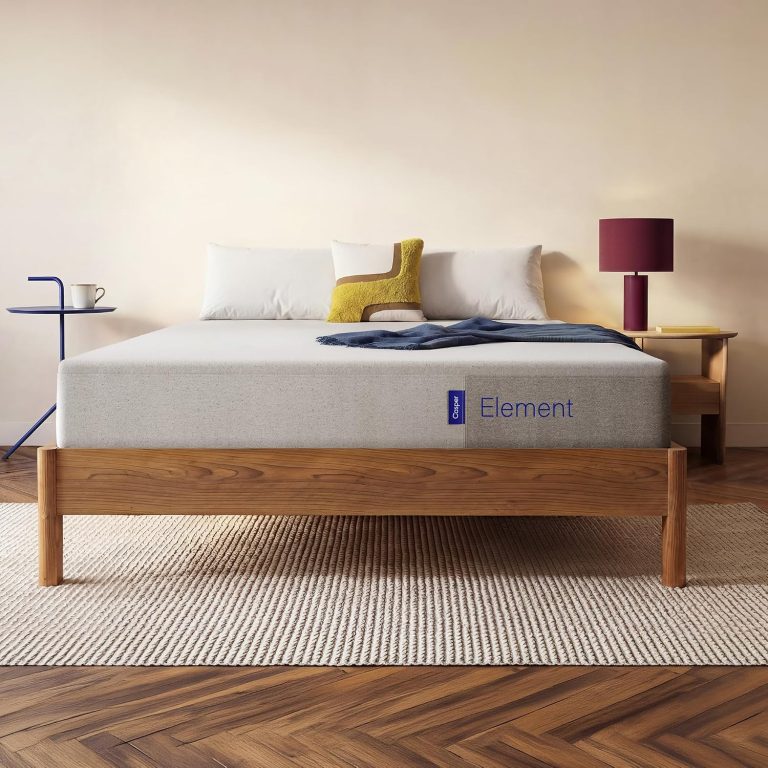
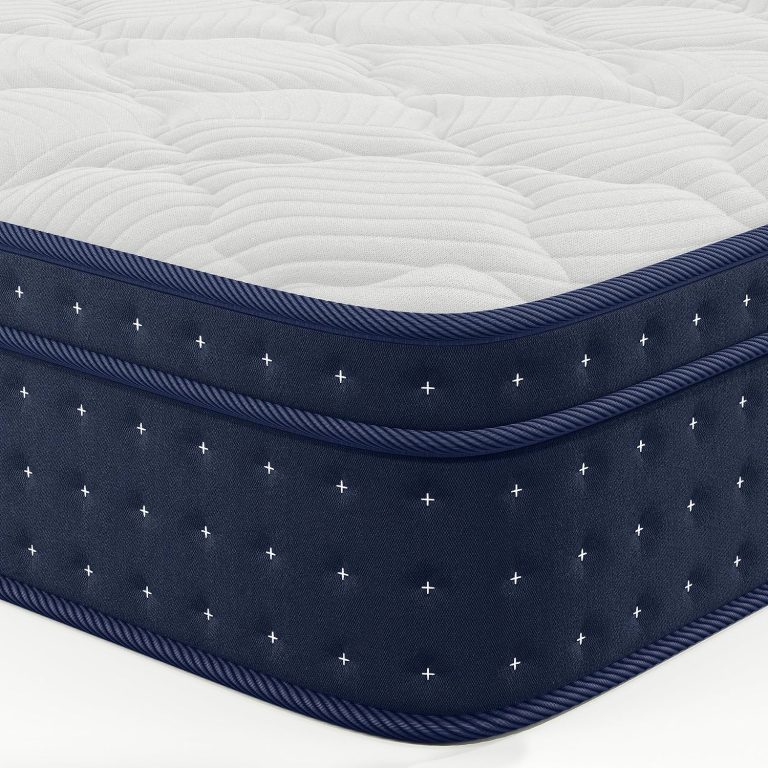
Do Mattresses Heat Up or Cool You Down?
Yes, mattress heating and cooling features are real, and they can make a big difference in how comfortably you sleep. The technology works through special materials, gel infusions, or even electric temperature controls built into the bed. You don’t have to just kick the covers off or pile on extra blankets anymore — your mattress can do the work for you.
Your body temperature naturally dips when you sleep, and that’s why a mattress that traps heat can leave you tossing and turning. On the flip side, sleeping cold can keep you tense and shivering. That’s why so many modern mattresses now come with active cooling gels, breathable foams, or even smart temperature controls that let you set your ideal sleep climate.
- Yes, many mattresses cool you down using gel, copper, or breathable materials.
- Some high-tech beds heat up with electric warming features.
- Hybrid options exist that let you switch between heat and cool on demand.
- Natural materials like wool and cotton help regulate temperature passively.
- Cooling works best when paired with breathable sheets and proper room temperature.
Below, we break down exactly how mattress temperature control works, which types actually deliver on their promises, and what you should look for based on how you sleep. Let’s walk through it together so you can finally stop waking up sweaty or shivering.
How Mattress Temperature Control Actually Works
Mattresses can heat and cool using two main strategies: passive and active. Passive methods rely on materials that naturally move heat away or trap it close. Active methods use electricity or airflow to change the surface temperature on demand.
We found that most beds on the market today use passive cooling technology. This means the mattress is built to sleep cool from the start. Active heating and cooling systems are less common and usually found in higher-end adjustable beds.
Passive Cooling: Materials That Do the Work
Passive cooling starts with the foam and fabric layers. A mattress can’t actually create cold air. Instead, it pulls heat away from your body and lets it escape.
Gel-infused foam is the most popular option. The gel beads act like tiny heat sinks that pull warmth from your skin. Copper-infused foam works similarly, since copper is a natural conductor of heat.
Some brands use phase-change material (PCM). This is a special substance that absorbs heat when you get too warm and releases it when you cool down. Research shows PCM can help your body stay in a more comfortable sleep zone (NIH).
Why Breathability Matters
A mattress can have great cooling gel, but it won’t help if air can’t flow through it. Open-cell foam allows air to circulate. Many memory foam beds trap heat because the foam is too dense.
Look for mattresses that mention “high airflow” or “open-cell” in the description. These design choices allow body heat to escape out the sides of the bed instead of staying trapped underneath you.
Active Heating: Electric Warming Built In
Some smart mattresses come with built-in heating elements. You set a temperature on a remote or app, and the bed warms up underneath you. It’s like a heated blanket that never bunches up.
Most active heating systems use low-voltage wires placed between the comfort layers. You can preheat the bed before you get in, then let it cool down to your preferred sleeping temp. This feature is especially helpful for people with cold feet or poor circulation.
We found that electric heating pads inside a mattress use less energy than heating an entire bedroom. Many experts say this targeted approach helps you fall asleep faster without raising your heating bill (Energy.gov).
Hybrid Systems: Heat and Cool in One Bed
Yes, you can get both in a single mattress. These are often called temperature-controlled beds. They use a water-based or air-based system to either warm or cool the surface whenever you want.
You might be thinking, “Wait, do I actually need a mattress that heats and cools at the same time?” Maybe not. But hybrid systems let you adjust the temperature seasonally. Warm in winter, cool in summer — all with the push of a button. Our guide to choosing between an adjustable mattress vs regular explains which setup fits your needs.
| Feature | Passive Cooling | Active Heating | Hybrid Systems |
|---|---|---|---|
| How it works | Materials pull heat away | Electric wires warm the surface | Water or air controls temperature |
| Power source | None needed | Electric outlet | Electric outlet |
| Temperature range | Naturally cooler only | Warm only | Hot and cold |
| Price range | Low to mid | Mid to high | Premium |
| Best for | Hot sleepers | Cold sleepers | Couples with different needs |
Do Cooling Mattresses Really Deliver on Their Promise?
Honestly? Most do help, but they won’t turn your bed into an ice box. A cooling mattress can drop your skin temperature by a few degrees. That’s often enough to stop night sweats, but it won’t fix a hot room.
We found that a cooling mattress works best when your bedroom is around 65°F. If your room is 80°F, no mattress material on earth can save you. The mattress works with the room, not against it.
Some people expect a “cool-to-the-touch” feeling that lasts all night. That initial chill usually wears off after 15 to 20 minutes. The real benefit is that the mattress continues to release trapped body heat, so you don’t overheat during deep sleep.
Which Mattress Materials Sleep the Coolest
Memory foam gets a bad reputation for sleeping hot, and it’s earned. Traditional memory foam is dense and traps body heat. But newer formulations include gel beads and open-cell structures that improve airflow significantly.
- Latex foam has naturally open pores that let air circulate, making it one of the coolest foam options
- Innerspring coils allow strong airflow between the coils, which keeps the surface cooler
- Hybrid mattresses pair coils with foam, giving you comfort plus airflow
- Airflow channels are built into some foam layers to push heat out the sides
Who Should Consider a Temperature-Controlled Mattress
Not everyone needs a heater built into their bed. But for some sleepers, temperature control is a genuine game-changer. Ask yourself a few quick questions before spending the money.
Hot Sleepers and Night Sweats
If you wake up with damp sheets or your partner complains about the heat you put off, a cooling mattress is worth it. Hot flashes caused by menopause or certain medications make cooling beds especially helpful. Many women find a gel foam mattress reduces night sweats enough to get back to restful sleep (Cleveland Clinic).
Cold Sleepers and Poor Circulation
Ever crawl into bed and feel the cold sheets hit your legs? That’s awful. Cold sleepers often do well with an active heating mattress. The bed pre-warms the surface, so you never have to slide into an icy bed.
Couples Who Disagree on Temperature
If one of you wants to bake and the other wants to freeze, a hybrid system is the obvious answer. Some high-tech beds offer dual-zone temperature control. Each side sets its own temperature, so you both win. No more blanket-stealing cold wars at 2 a.m.
Choosing the Right Temperature-Controlled Mattress
Start by deciding whether you need passive cooling or active control. A simple gel mattress handles most hot sleepers. You only need an electric system if you want the ability to actually warm the bed.
Check the comfort layer material. Gel foam cools, but copper and graphite infusions work even faster at pulling heat away. Latex is naturally breathable, while wool mattress toppers can help regulate temperature too.
Important Checklist Before You Buy
Use this checklist when comparing models online or in a store:
- Check if it says “cooling” on the cover, or just on the foam layer underneath
- Read reviews from hot sleepers who describe their night sweats
- Look for a trial period of at least 90 nights so you can test it through seasonal changes
- Verify the warranty covers the heating element, if you buy an active system
- Check energy usage for electric models so you know the long-term cost
- Ask about return policies in case the cooling claim doesn’t live up to your standards
What Temperature Experts Recommend for Sleep
Your body’s core temperature must drop slightly to trigger sleep. That’s why experts suggest a cool room. The CDC and other health groups recommend keeping your bedroom between 60°F and 67°F for the best sleep quality (CDC).
So here’s the thing: a cooling mattress helps your body shed heat faster, but it can’t lower the room temperature. Pair your temperature-regulating mattress with breathable cotton sheets. That combo will give you the best chance of waking up fresh instead of sweaty.
Skip the flannel sheets if you have a cooling mattress. Those trap heat close to your skin and undo all the work the mattress is doing. Choose percale cotton or linen for maximum airflow.
Do You Need a Temperature-Regulating Mattress?
If your current bed leaves you sweaty, it’s probably time for an upgrade. If you’re generally comfortable through the night, don’t feel pressured to spend extra on features you don’t need. A breathable mattress topper might be all you need to solve a minor warmth issue.
We found that most sleepers benefit from at least passive cooling technology. Active heat and cool systems are a splurge, but they genuinely help people with extreme temperature sensitivity. Pay attention to your habits — if you change the thermostat multiple times each night, you’re a candidate for a smarter bed.
Conclusion
You now know the truth: mattresses can absolutely heat and cool. The real question is which technology fits your sleep style. If you wake up sweaty, a gel-infused or latex mattress with passive cooling is your best bet. If cold feet keep you up, an active heating system will feel like a luxury. And if you share a bed with someone who runs hot while you run cold, a hybrid dual-zone bed ends the argument for good.
Start by checking your bedroom temperature and your current bedding. A cooling mattress won’t fix a stuffy room, so set your thermostat between 60°F and 67°F first. Then match your mattress to your needs. Most sleepers find passive cooling enough. But if you’ve tried everything and still wake up miserable, investing in active temperature control is worth every penny. Your best sleep is one decision away.
Frequently Asked Questions
How long does a cooling mattress stay cool?
The initial cool-to-the-touch feeling usually fades after 15 to 20 minutes. That’s normal. What matters is that the mattress keeps pulling body heat away all night long. Gel and phase-change materials work continuously, even if you don’t feel an icy surface.
Can you add heating and cooling to an existing mattress?
Yes, you can. Heated mattress pads plug in and warm your current bed. Cooling mattress toppers with gel or breathable fibers do the opposite. You don’t need to buy a whole new bed to test temperature control. These add-ons are a smart way to try the feature before making a big purchase.
Do temperature-controlled mattresses use a lot of electricity?
Active heating and cooling systems use less energy than heating or cooling your whole bedroom. Most models draw about the same power as a small space heater. You can also set timers to pre-warm the bed for 20 minutes, then let it turn off. That keeps costs low.
Is a cooling mattress safe for kids or seniors?
Passive cooling mattresses are safe for all ages since they don’t use electricity. Active heating systems are generally safe too, but check with a doctor for anyone with circulation issues or diabetes. Always follow the manufacturer’s age recommendations for electric models.
What’s the best mattress type for someone who sleeps hot AND cold?
A hybrid mattress with coils and a breathable top layer is your best middle ground. Coils let air flow when you’re hot, and you can add a heated pad for cold nights. A hybrid system with water-based temperature control is the premium option if you want both features built in.