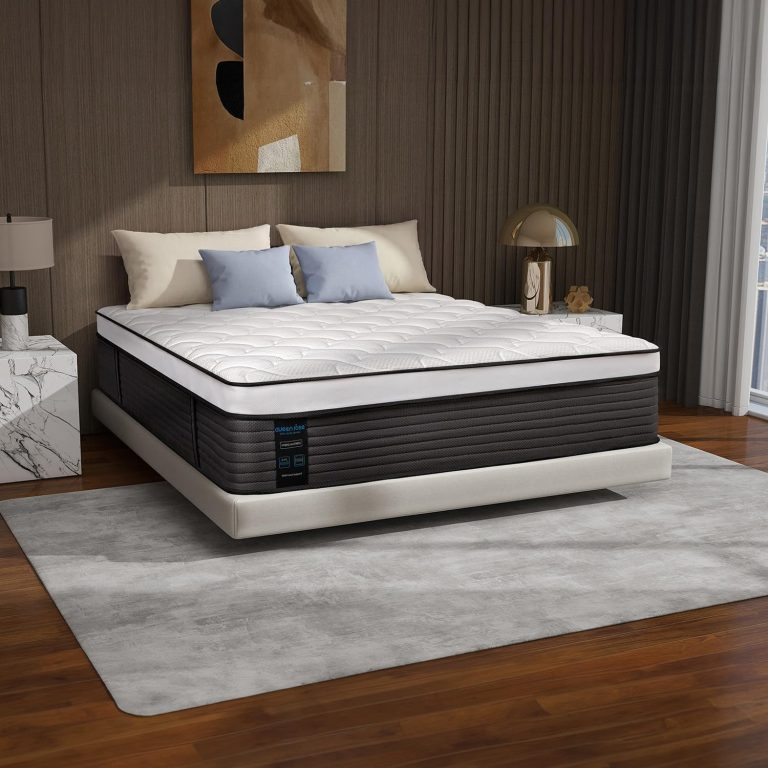
Can Mattress Springs Break? Causes and Warning Signs
Yes, mattress springs can break, and it happens more often than you might think. Heavy use, age, or a weak frame can cause coils to snap, poke through fabric, or lose their supportive shape entirely. Broken springs are a common reason mattresses end up in the dumpster long before their expected lifespan.
You might feel a sharp jab in your back, hear a loud “boing,” or notice a sagging valley in your sleeping surface. Coil fatigue and manufacturing defects are usually the culprits behind these failures. While it’s a frustrating problem, knowing the warning signs early can save you from sleepless nights and wasted money.
- Yes, springs can break due to normal wear, poor materials, or jumping on the bed.
- Look for telltale signs like poking wires, visible lumps, or a sagging middle.
- Most modern beds last 7 to 10 years, and springs often fail near the end of that window.
- If a coil snaps, you cannot fix it safely at home; patching it up risks injury.
- Your best move is to replace the mattress or file a warranty claim if it’s still covered.
Below, we break down exactly what causes spring failure, how to spot it fast, and your smartest options for dealing with a broken coil. Let’s walk through it together.
Why Mattress Springs Break: The Usual Suspects
Wire coils snap when they hit their breaking point. That might sound obvious, but the real question is why they hit that point so quickly. We found that several everyday habits and environmental factors speed up spring failure more than you’d expect.
The simple answer is metal fatigue. Every time you sit or lie down, the coils compress and expand. That constant flexing weakens the metal over time. Sleep on that same spot every night, and you’re doing targeted damage to one area. It’s like bending a paperclip back and forth. Bend it enough times, and you know what happens next.
How Daily Use Wears Down Coils Over Time
Your body weight plays a huge role. A heavier person applies more force to each coil. That translates to faster metal fatigue. If you weigh 250 pounds and sleep in the same position nightly, that pressure concentrates on a small cluster of coils. Those specific springs are far more likely to fail early.
Think of it like driving on the same patch of road every day. Over time, potholes form because the same spot takes the brunt of the traffic. The same goes for your mattress. We found that rotating your mattress every few months can help spread the wear. It won’t stop spring failure entirely, but it extends the lifespan noticeably.
Cheap Coils and Material Quality
Not all springs are made equal. Budget mattresses often use lower-grade steel that’s thinner and less durable. High-end models might use tempered steel or pocket coils designed to handle more pressure. It’s a classic case of you get what you pay for.
Quality testing matters too. Research on mattress durability points out that cheaper spring systems fail fatigue tests at a much faster rate (NIH). So if you bought a bargain bed, a broken spring is less a question of if and more a question of when.
The Hidden Problem With Thin Wire
Thin wire coils are the worst offenders. They feel soft and comfortable in the store, but that softness means less material holding you up. Many experts say a coil gauge of 13 or lower is ideal for durability. Anything higher than 14 (which means thinner wire) is prone to early sagging.
You can’t easily check coil gauge once the mattress is sealed. But if you’re shopping, look at the spec sheet. It matters more than the quilted padding on top.
Spotting the Warning Signs of Broken Springs
Your body tells you before the spring fully snaps. Aching hips or a stiff lower back in the morning often means your mattress lost its support. You may not see actual damage yet, but the springs aren’t doing their job. That’s the first red flag.
Springs rarely break all at once. They weaken gradually. Pay attention to how your bed feels as you move across it. A dip that wasn’t there a few months ago is a big clue.
The Feeling of a Spring Poking Through
You’ll know a broken coil when you feel it. A sharp, uncomfortable jab that digs into your ribs, back, or hip. It feels like a stray wire is trying to escape the mattress pad. In many cases, that’s exactly what’s happening.
This is a key symptom. If you feel a metal edge through the fabric, the coil has snapped and punctured the foam layers above it. Leave it alone and it will only get worse.
Noises, Sagging, and Lumps You Shouldn’t Ignore
- Loud creaking or popping sounds when you roll over — that’s metal grinding against metal.
- A visible sagging valley in the middle or edges where you sleep.
- Visible lumps or raised bumps under the fabric surface.
- Uneven comfort — one side feels firm, the other sinks like a hammock.
- You sink to the bottom instead of being gently supported.
Don’t ignore these signs. We found that most people sleep on a broken spring for weeks before taking action. That just makes the damage worse.
The Timeline: When Do Springs Usually Give Out?
The average box spring and mattress combo has a lifespan of 7 to 10 years. Research and guidelines from consumer protection groups point to that timeframe as a general rule (Consumer Product Safety Commission). Springs often start showing fatigue right around year six.
That doesn’t mean you’re safe before then. Faulty construction can lead to failure within the first year. This is where warranty coverage becomes your best friend.
How Warranty Coverage Plays Into Spring Failure
If your mattress is under 10 years old and the springs break, you might have options. Most warranties cover spring defects. They define a defect as a spring that breaks or loses its shape while under normal use.
One huge catch: warranties don’t cover sagging unless it’s severe. Most companies require the dip to be at least 1.5 inches deep. You’ll need to measure it with a straight edge to make a claim. If the sag is less than that, they’ll say it’s normal wear and tear.
Check your warranty card. Some brands pro-rate the payout. That means the older the mattress, the less money you get back. But even a partial refund beats buying a brand-new bed at full price.
Can You Fix a Broken Mattress Spring at Home?
The short answer is no — not safely. You might be tempted to grab a pair of pliers or bend the wire back. That’s a terrible idea. A snapped coil under pressure can launch or stab. It’s sharper than you think.
Some people try to patch the area with a plywood board underneath the mattress. That doesn’t fix the spring. It just hides the problem. You’ll still feel the sharp tip pressing through the padding.
Why DIY Fixes Fail (and Hurt)
Many experts say that DIY spring repairs are dangerous and ineffective. The metal needs specialized welding equipment to reattach safely. You don’t have that in your garage. Even if you did, hot-glue or duct tape won’t hold under body weight.
There’s also the issue of the surrounding coils. When one spring fails, adjacent coils take on extra load. That makes them more likely to snap soon after. Patching one spring is like ignoring a leaking roof and only fixing one tile.
What to Do When You Feel a Broken Coil
You have a few paths forward. Your choice depends on your budget and the mattress age. Here’s a clear breakdown to help you decide.
| Situation | Best Action | Timeframe |
|---|---|---|
| Mattress under 10 years | File a warranty claim right away | Immediately |
| Between 7 and 10 years | Check warranty, then start shopping | Within 1 month |
| Older than 10 years | Replace as soon as possible | Immediately |
Before you do anything, take photos of the damage. Write down the model number and purchase date. That information is critical for a smooth warranty process.
Your Options Beyond Replacing the Whole Bed
If the bed frame is fine, you can keep it. Just swap the mattress itself. That’s more affordable than replacing everything. You can also use a mattress topper to buy yourself a few more weeks while you shop. Just know that a topper won’t fix the structural damage—it’s temporary comfort at best.
How to Reduce the Risk of Spring Breakage Going Forward
You can’t stop metal fatigue entirely. But you can slow it down significantly with smart habits. We found that one simple change—rotating your mattress quarterly—makes a measurable difference in spring longevity.
A solid, supportive base is non-negotiable. If your bed frame has a bent or missing slat, that’s how springs break prematurely. Check your frame every six months and tighten any loose bolts. A little preventative care goes a long way.
The Essential Spring-Saving Checklist
- Rotate your mattress head-to-toe every 3 months.
- Inspect your box spring or bed slats for warping or damage.
- Support the mattress with a slatted base rated for your weight.
- Avoid jumping or roughhousing on the bed.
- Use a mattress protector—not for springs, but to keep dust and moisture out.
- Heavy sleepers—consider a hybrid or memory foam mattress that relies less on coils.
These steps won’t make a bad mattress last forever. But they might add a year or two to its useful life. That’s money back in your pocket.
Conclusion
Broken mattress springs are a real problem, but you don’t have to suffer through sleepless nights. You now know the warning signs: sharp pokes, loud pops, and sagging valleys. You also know that DIY fixes are dangerous and won’t last. Hold on to the key takeaway here — your safety and comfort come first.
Start by checking your warranty and taking photos of any damage. If your bed is past its prime, start shopping for a replacement today. And going forward, rotate your new mattress every three months to protect your investment. A supportive, pain-free sleep surface is worth every penny.
Frequently Asked Questions
How do I know if my mattress has a broken spring versus normal sagging?
Press down firmly on the suspicious area. A broken spring creates a hard, sharp point beneath the fabric, while normal sagging feels soft and uniform. You might also hear a metallic pop or creak when you apply pressure. If you feel a distinct metal edge, that’s a snapped coil, not regular wear.
Can a broken mattress spring cause back pain?
Yes, absolutely. A broken spring creates an uneven sleeping surface that forces your spine out of alignment. Your back muscles work overtime to compensate, which leads to morning stiffness and aches. If you wake up sore in the same spot every day, check your mattress for spring damage.
Is it safe to keep sleeping on a mattress with a poking spring?
No, it’s not safe. A snapped spring can puncture through the fabric and cause cuts or scratches. The sharp metal edge is also a serious injury risk, especially for children or pets. We recommend stopping use immediately once you feel a wire poking through the surface.
Will a mattress topper fix a broken spring?
A topper only masks the problem temporarily. It adds a soft layer between you and the broken coil, but the spring remains snapped underneath. The topper will eventually compress, and you’ll feel the sharp metal again within a few weeks. It’s a short-term stopgap, not a real fix.
Do hybrid mattresses have the same spring problems?
Hybrid mattresses use coils too, so they can experience spring failure just like traditional innerspring beds. However, most hybrids use pocketed coils that are individually wrapped. This design often spreads weight more evenly, which can reduce stress on any single spring. They still need regular rotation to maximize lifespan.