Front Loader vs Top Loader Water Usage: What’s the Difference
When choosing a new washing machine, you’re probably wondering about water usage. If you’re asking which type uses less water, the answer is generally **front-loader washing machines**. They are designed to be much more water-efficient than traditional top-loaders.
This difference is significant and impacts your utility bills and environmental footprint. Front-loaders use less water because they tumble clothes through a small amount of water at the bottom of the drum. Many top-loaders, especially older models, fill the entire tub. We found that this design can lead to substantial water savings over time for front-loading models.
- Front-loaders typically use less water than top-loaders.
- This means potential savings on your water bill.
- Front-loaders also often use less energy for heating water.
- Consider your laundry habits when making a choice.
Let’s break down exactly how their water usage compares and what that means for your home and budget.
How Much Water Do Washers Really Use?
It’s a great question to ask when you’re looking at new appliances. Understanding water usage helps you save money and be kinder to the planet. Let’s dive into the nitty-gritty of how front-loaders and top-loaders stack up. You’ll be surprised at the difference a washing machine choice can make.
The Core Differences: Tumble vs. Agitate
The main reason for the water usage difference comes down to how each type of machine washes your clothes. It’s all about the mechanics.
How Front-Loaders Work Their Magic
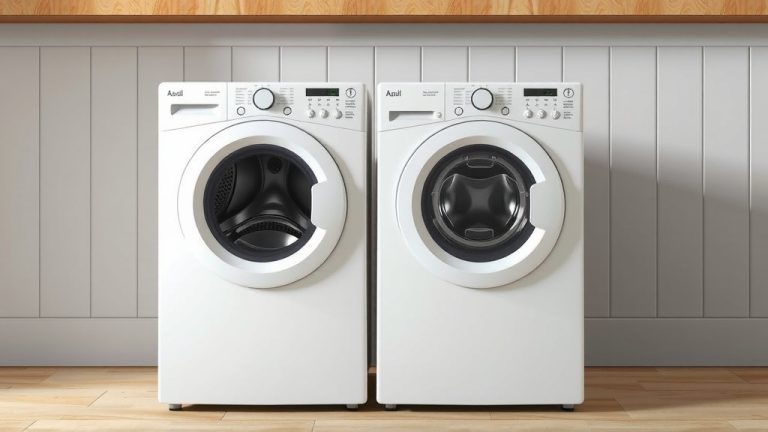
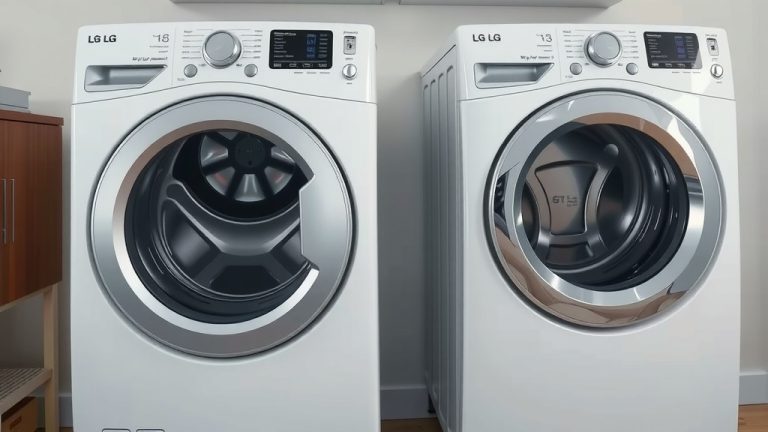
Imagine your clothes tumbling like they’re in a gentle workout routine. That’s basically what happens in a front-loader. The drum spins, lifting clothes and dropping them into a small pool of water at the bottom. This tumbling action does the heavy lifting, rubbing clothes against each other to get them clean. Because they only need a little water to get this job done, they’re incredibly efficient. We found that this design is a key factor in their lower water consumption.
How Top-Loaders Do Their Thing
Top-loaders have been around for a long time. Many of them work by submerging your clothes in water. They use either an agitator (that central post) or an impeller (a low-profile disc) to move clothes around. For older models, especially those with a central agitator, the entire tub fills with water. This full tub of water is necessary to ensure all items are covered and can move freely. Newer high-efficiency (HE) top-loaders are a bit different, using less water than older ones, but often still more than a front-loader.
Water Usage: The Numbers Game
Let’s look at some typical numbers. These can vary by model, of course, but they give you a good ballpark figure.
Front-Loader Water Consumption
We found that front-loading washing machines generally use between 10 to 15 gallons of water per load. Some of the most efficient models can even get by with as little as 7 gallons. This is a significant reduction compared to many older top-loaders. Think about doing laundry multiple times a week – those gallons add up quickly!
Top-Loader Water Consumption
Traditional top-loaders can use anywhere from 30 to 45 gallons of water per load. That’s a huge difference! Even HE top-loaders, which are designed to be more efficient, often use between 15 to 25 gallons per load. While better than their older counterparts, they still typically use more water than a front-loader. This is a clear win for front-loaders when water conservation is a priority.
A Quick Comparison Table
Here’s a simple way to see the difference:
| Washing Machine Type | Typical Water Usage Per Load |
|---|---|
| Front-Loader | 10-15 Gallons |
| HE Top-Loader | 15-25 Gallons |
| Traditional Top-Loader | 30-45 Gallons |
Beyond Water: Energy Savings Too!
It’s not just about water. Washing machines often heat the water, and heating takes energy. Since front-loaders use less water, they often require less energy to heat that water. Many experts say this can lead to a noticeable decrease in your electricity or gas bill. If you frequently wash clothes in warm or hot water, this is an added bonus of choosing a front-loader.
The Energy Efficiency Connection
Think about it: less water to heat means less energy needed. This dual benefit is why front-loaders are often recommended for households looking to reduce their overall utility expenses. We found that for families doing a lot of laundry, the energy savings can be just as impactful as the water savings over time. Your utility companies might thank you!
Which One is Right for Your Home?
While front-loaders generally win on water and energy efficiency, the best choice for you depends on your needs and preferences. Consider these points:
Your Laundry Habits
How much laundry do you do? If you have a large family or find yourself running the washer daily, the water savings from a front-loader will be more significant. If you only do a load or two a week, the difference might be less noticeable in your budget, but it’s still a good environmental choice.
Convenience and Accessibility
Some people prefer top-loaders because they are easier to load without bending over. You can also add a forgotten sock mid-cycle with most top-loaders. Front-loaders require bending, although pedestals can help with this. Also, remember that front-loaders are not ideal for everyone. Some folks find the longer cycle times of front-loaders a drawback. You can’t just toss in a load and expect it done in 30 minutes like some older top-loaders.
Maintenance and Care
Front-loaders require a bit more attention to prevent mold and mildew. Leaving the door ajar and wiping down the seal after use is key. You might also need to run a cleaning cycle periodically. Top-loaders typically require less active maintenance for this issue, as the drum is more exposed to air.
Making the Smart Choice for Your Laundry Room
When all is said and done, front-loaders are the clear winners for water efficiency. They use significantly less water and often less energy. This makes them an excellent choice if you’re looking to cut down on utility bills and reduce your environmental impact. However, don’t discount top-loaders entirely, especially if convenience and ease of use are your top priorities. Newer HE top-loaders offer a good balance.
Your Laundry Checklist
To help you decide, consider these quick points:
- Do you want to save money on water bills?
- Is reducing your environmental footprint important to you?
- Do you have the space for a front-loader and a pedestal?
- Are you comfortable with slightly longer wash cycles?
- Do you mind doing a quick wipe-down of the door seal?
- How much laundry do you typically do each week?
Conclusion
When you’re weighing your options for a new washing machine, water usage is a major factor. We found that front-loader washing machines consistently use less water than their top-loader counterparts. This efficiency translates into real savings on your water bills and a smaller environmental footprint. While convenience and accessibility are important considerations, the water and energy savings of a front-loader are hard to beat. Before you buy, think about your laundry habits and what matters most to you, and then make the choice that best fits your home.
Frequently Asked Questions
Are there any front-loader models that use more water than top-loaders?
It’s highly unlikely. Even older front-loader models are engineered to be far more water-efficient than most traditional top-loaders. We found that the core design of tumbling clothes in a small amount of water makes them inherently more conservative with water use than top-loaders that fill the entire tub.
How much can I realistically save on my water bill by switching to a front-loader?
Your savings will depend on how much laundry you do and your local water rates. However, with front-loaders using up to 15-30 gallons less per load than older top-loaders, families that wash multiple loads weekly can see a noticeable reduction. We found that over a year, these savings can add up to a pleasant surprise on your utility bill.
Can a front-loader help me save on energy costs too?
Yes, absolutely! Since front-loaders use less water, they also require less energy to heat that water if you prefer warm or hot washes. This dual benefit means you can often see savings on both your water and electricity bills. We found this energy efficiency to be a compelling reason for many homeowners to choose front-loaders.
What’s the main reason HE top-loaders still use more water than front-loaders?
Even high-efficiency (HE) top-loaders, while improved, generally rely on an impeller or agitator to move clothes around in a larger volume of water than a front-loader uses for tumbling. They are designed to submerge clothes more fully, which requires more water than the efficient tumbling action of a front-loader.
Is it true that front-loaders take longer to wash clothes?
Typically, yes. Front-loaders often have longer wash cycles than traditional top-loaders. This is because their cleaning action relies on a slower, more thorough tumbling process rather than a quick agitation in a full tub. We found that while the cycles are longer, the increased efficiency in water and energy use is often worth the wait for many users.