High Efficiency Washer vs Regular: Water Savings
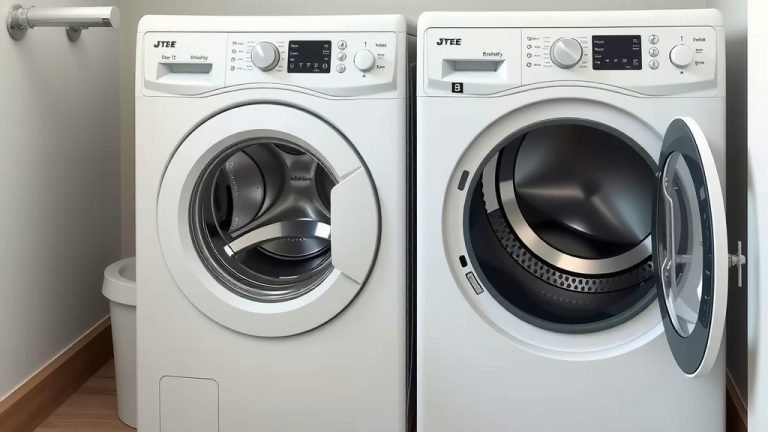
When comparing a high-efficiency washer vs. regular water usage, high-efficiency (HE) models are the clear winners for saving water and energy. They use significantly less water per load, which means lower utility bills and a smaller environmental footprint. If you’re looking to cut down on your household’s water consumption, an HE washer is a smart choice.
This difference in water use comes from how HE machines operate. They don’t fill up with water like older, traditional washers. Instead, they use a tumbling or high-spin action to clean your clothes more effectively with less water. We found that this can lead to noticeable savings over time on both your water and electricity bills.
- HE washers use less water.
- They also use less energy.
- This saves you money on bills.
- They clean clothes effectively with less water.
- Consider an HE model for efficiency.
So, how do these differences stack up in your laundry room? Let’s walk through the details to help you understand the benefits of choosing a high-efficiency washing machine.
Understanding Washing Machine Water Usage: HE vs. Traditional
When you’re looking at washing machines, the terms “high-efficiency” (HE) and “regular” might seem a bit confusing. The main difference boils down to how much water each type uses. Let’s break down what that means for your laundry routine and your wallet.
Essentially, HE washers are designed to clean clothes effectively while using **much less water**. They achieve this through different washing actions. Regular washers, on the other hand, often fill up with a lot of water to wash and rinse clothes. We found that this difference can add up significantly over time.
How High-Efficiency Washers Work Differently
You might be wondering how a machine can clean clothes well without filling up like the ones you’re used to. HE washers use a variety of techniques to get the job done with less water.
The Tumbling Action
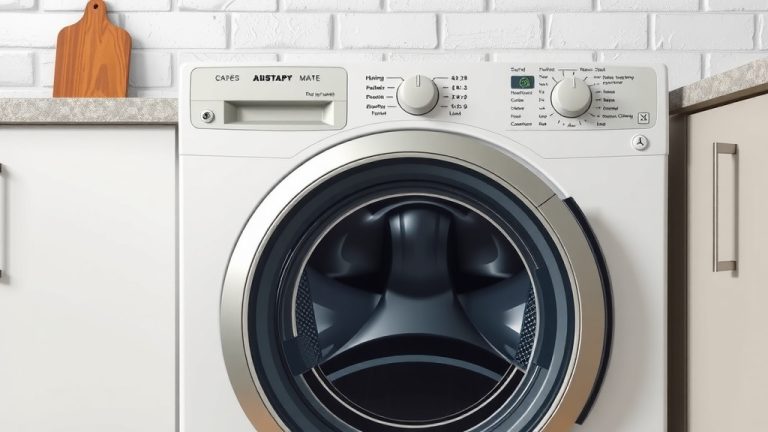
Many front-loading HE washers use a tumbling action. The drum rotates, lifting clothes up and dropping them into a small amount of water. This motion helps to agitate the clothes and work the detergent in. It’s a gentler process for your clothes, too.
High-Speed Spinning
Another key feature of HE machines is their ability to spin at very high speeds. This extracts more water from your clothes during the spin cycle. Less water left in the clothes means a shorter drying time. So, you save energy on your dryer as well.
Sensor Technology
Some HE models even have sensors. These sensors can detect the size of the load and the type of fabric. The machine then adjusts the water level and wash time accordingly. This prevents unnecessary water use for smaller loads.
Water Consumption: A Side-by-Side Look
Let’s get down to the numbers. How much water are we really talking about here? Comparing the two types makes the savings obvious.
Regular Washers: The Water Guzzlers
Traditional top-loading washers typically use anywhere from 30 to 45 gallons of water per load. Some older models might even use more. They need this water to fully submerge the clothes for washing and rinsing. We found that this volume is quite substantial over a year.
High-Efficiency Washers: The Water Savers
HE washers, both front-loading and some newer top-loading models, are incredibly efficient. They can use as little as 10 to 25 gallons of water per load. That’s a huge reduction. Many experts say this is the biggest benefit for households concerned about water conservation (Environmental Protection Agency).
| Washer Type | Typical Water Usage (Gallons Per Load) |
|---|---|
| Regular Top-Loader | 30-45+ |
| High-Efficiency (HE) | 10-25 |
The Impact on Your Utility Bills
Saving water doesn’t just help the planet; it helps your budget too. Lower water usage directly translates to lower water bills. But that’s not the only way HE washers save you money.
Reduced Water Costs
Think about how many loads of laundry you do in a week. If you’re using a regular washer, you’re using a lot of gallons. Switching to an HE model can shave a significant amount off your monthly water bill. Many studies have shown this to be a direct and noticeable saving for homeowners.
Energy Savings Too
Remember that high-speed spin cycle we talked about? It removes more water from clothes. This means your dryer doesn’t have to work as hard or run as long. Less drying time means less electricity or gas used. So, your energy bill gets a break too!
Detergent Efficiency
HE washers also require less detergent. Because they use less water, you don’t need as much soap to get your clothes clean. Using too much detergent in an HE machine can actually cause problems. This is another small saving that adds up.
Are There Any Downsides to HE Washers?
While HE washers offer many advantages, it’s fair to consider if there are any drawbacks. Most people find the benefits far outweigh any minor adjustments.
Initial Cost
Sometimes, HE washers can have a higher upfront purchase price compared to basic, regular washers. However, the long-term savings on water and energy often make up for this initial investment. It’s a matter of looking at the total cost of ownership.
Cycle Times
Some HE models might have longer wash cycles than older, traditional machines. This is often because the washing process is more complex and gentler. You might need to adjust your laundry schedule slightly. Many modern HE washers, however, have quick wash options available.
Maintenance and Care
HE machines, especially front-loaders, require a little extra care to prevent mold and mildew. This usually involves wiping down the door seal and leaving the door ajar between uses. It’s a small habit that keeps your machine running smoothly and smelling fresh.
Making the Switch: What to Consider
If you’re thinking about upgrading your laundry appliances, choosing an HE model is a smart move. Here’s a quick checklist to help you decide.
- Do you want to lower your water bills?
- Are you interested in reducing your home’s energy consumption?
- Do you have a family that generates a lot of laundry?
- Are you looking for a gentler wash for your clothes?
- Is environmental impact a concern for you?
- Are you willing to follow a few simple maintenance steps?
Conclusion
You’ve seen how high-efficiency (HE) washers dramatically reduce water usage compared to regular models. They clean effectively using less water and energy, which leads to lower utility bills. While the initial cost might be a bit higher, the long-term savings on water, energy, and even detergent make HE washers a wise investment for your home and the environment. Making the switch is a smart step towards a more sustainable and cost-effective laundry routine. Consider upgrading to an HE model for your next washing machine purchase to start enjoying these benefits right away.
Frequently Asked Questions
How much water can I really save with an HE washer?
You can save a significant amount of water, often cutting your usage by half or more per load. Regular washers might use 30-45 gallons, while HE models typically use between 10-25 gallons.
Will HE washers clean my clothes as well as my old washer?
Yes, HE washers are designed for effective cleaning. They use different methods like tumbling and high-speed spins to agitate clothes and remove dirt efficiently with less water.
Can I use regular detergent in my HE washer?
No, you should not use regular detergent in an HE washer. HE machines require special HE detergents, which create fewer suds and are formulated for low-water washing to prevent buildup and ensure proper cleaning.
Are HE washers always more expensive upfront?
Often, HE washers have a higher initial purchase price than basic traditional models. However, the money you save on water and energy bills over time usually offsets this higher cost, making them more economical in the long run.
Do HE washers take longer to wash clothes?
Some HE models might have slightly longer cycle times than older machines. This is because their washing process is more complex and water-efficient. Many newer HE machines also offer quick wash cycles for convenience.