

Stop AC Blowing Fuses: Troubleshooting Guide
Your air conditioner blowing fuses can be frustrating, but it’s often a sign of a common problem you can fix yourself. The most frequent reasons your AC unit trips a breaker are an overloaded circuit, a faulty capacitor, or a dirty air filter. Addressing these issues can help stop the fuse-blowing cycle and keep your home cool.
We understand how annoying it is when your AC stops working unexpectedly. Repeatedly replacing blown fuses means your cooling system isn’t running efficiently, and it might point to bigger underlying issues. Checking for simple electrical problems and performing basic maintenance can save you from costly repairs down the line.
- Check your circuit breaker for other appliances.
- Inspect and clean or replace your air filter.
- Look for issues with the capacitor or fan motor.
- Ensure your AC unit isn’t too old.
Let’s walk through exactly how to troubleshoot and fix why your air conditioner keeps blowing fuses.
“`htmlTroubleshooting Your AC When It Keeps Blowing Fuses
It’s a real bummer when your air conditioner suddenly stops working, and all you see is a tripped breaker or a blown fuse. Don’t worry, though! Many times, this issue points to problems you can easily tackle yourself. We’ve found that the most common culprits are usually tied to overloaded circuits, a struggling capacitor, or a simple clog in your air filter. Let’s dive in and get your cool air flowing again.
Understanding Why Your AC Trips the Breaker
An air conditioner is a powerful appliance. It needs a good amount of electricity to run its compressor and fans. When something goes wrong, it can draw too much power. This excess demand triggers your home’s circuit breaker or blows a fuse to protect your wiring and the unit itself. Think of it like your AC throwing a mini tantrum when it’s overworked.
The Overloaded Circuit Problem
One of the simplest reasons your AC might be tripping a fuse is an overloaded circuit. This means too many appliances are trying to draw power from the same electrical circuit. Your AC unit alone draws a lot. If other high-demand items like microwaves, hair dryers, or even other large appliances are running on the same circuit, it can quickly reach its limit.
Checking Your Circuit Breaker Panel
First things first, locate your home’s electrical panel. You’ll likely find it in your basement, garage, or a utility closet. Look for a breaker switch that is in the “off” position or halfway between “on” and “off.” Sometimes, a tripped breaker will look just like the others that are still “on.”
Identifying Other Appliances on the Same Circuit
Many times, your AC will have its own dedicated circuit. However, this isn’t always the case, especially in older homes. You might need to look at the labels on your breaker box. If you see your AC breaker and another appliance breaker are on the same line, that could be your problem. We found that unplugging or turning off other major appliances on that circuit before turning your AC back on can help diagnose this. If the AC runs without tripping, you’ve likely found the issue.
The Role of Your Air Filter
You might be surprised how much a dirty air filter can impact your AC’s performance. A clogged filter makes your system work much harder to pull air through. This increased strain can cause the motor to overheat and draw excessive power, leading to blown fuses. Many HVAC professionals will tell you this is a **frequent and easy fix**.
How Often Should You Change Your Air Filter?
The general recommendation is to check your air filter every 30 to 60 days. If you have pets, live in a dusty area, or have allergies, you might need to check it more often. We found that looking at it monthly is a good habit to get into. If it looks visibly dirty or dusty, it’s time for a change.
Cleaning or Replacing Your Filter
Replacing your filter is straightforward. Simply slide out the old one and insert the new one, making sure to note the airflow direction arrow. If your filter is a washable type, rinse it thoroughly with water and let it dry completely before reinstalling. A clean filter allows for much better airflow, reducing strain on your system.
Investigating Electrical Components for Issues
If the circuit load and air filter seem fine, the problem might be deeper within the AC unit itself. Electrical components like capacitors and fan motors can fail over time, causing them to draw too much current. This is where things can get a little more technical, and you might consider calling a professional if you’re not comfortable.
The Capacitor: A Vital Part
Your AC’s capacitor is like a tiny battery that gives the fan motor and compressor a jolt of energy to start. When a capacitor starts to go bad, it might struggle to provide enough power, or it might draw too much power as it fails. This can definitely lead to blown fuses. We’ve found that a bulging or leaking capacitor is a clear sign it needs replacing.
Signs of a Failing Capacitor
Besides blowing fuses, you might notice your AC’s fan struggling to start or running slowly. Sometimes, you’ll hear a humming noise from the unit when it tries to kick on but doesn’t. If your AC is trying to start but just won’t fully engage, a faulty capacitor is a prime suspect.
The Fan Motor: Another Potential Culprit
Your AC unit has at least one fan motor – usually one for the indoor unit and one for the outdoor unit. If these motors are failing, they can become inefficient. This inefficiency means they draw more electricity than they should. A worn-out motor or one that’s obstructed can cause the breaker to trip.
Checking for Obstructions and Wear
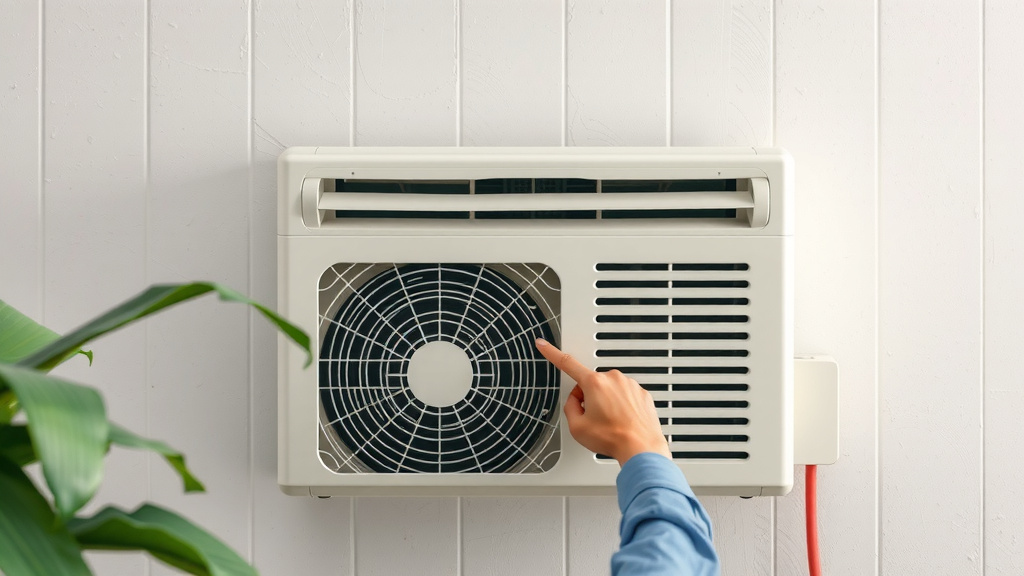
For the outdoor unit, check if anything is blocking the fan blades, like leaves or debris. Gently spin the fan blades by hand (with the power completely off!) to see if they move freely. If they feel stiff or wobbly, the motor bearings might be worn out. Similar checks can be done for the indoor fan, though it’s often harder to access. You might hear unusual noises like grinding or squealing if the motor is failing.
Age and Condition of Your AC Unit
Sometimes, the reason your AC is blowing fuses is simply because it’s getting old. Like all appliances, air conditioners have a lifespan. As they age, their components can wear out, becoming less efficient and more prone to electrical issues. We found that the average lifespan for an AC unit is about 10 to 15 years.
When is it Time for a New System?
If your AC is over 10 years old and you’re experiencing frequent problems like blown fuses, it might be more cost-effective in the long run to consider replacing it. While repairs can fix the immediate issue, an aging system will likely continue to have problems, leading to escalating costs and potential discomfort.
DIY vs. Professional Help: A Checklist
Here’s a quick rundown to help you decide your next steps:
- Check your circuit breaker panel for tripped breakers or overloaded circuits.
- Inspect and replace or clean your air filter if it’s dirty.
- Listen for unusual noises (humming, grinding) when your AC tries to start.
- Look for visible signs of damage on electrical components (bulging, leaks).
- Consider the age of your AC unit – is it nearing the end of its lifespan?
- If you’re uncomfortable with electrical components or can’t find the issue, call a qualified HVAC technician.
Conclusion
We’ve covered the most common reasons your air conditioner might be blowing fuses, from simple issues like an overloaded circuit or a dirty air filter to more complex ones involving the capacitor or fan motor. By systematically checking these points, you can often pinpoint the problem and get your AC running smoothly again. Remember, basic maintenance like changing your filter is key to preventing future headaches. If you’ve tried these steps and are still facing issues, or if you’re uncomfortable working with electrical components, don’t hesitate to call a qualified HVAC professional to ensure your system is safe and efficient.
Frequently Asked Questions
Can a dirty air filter really cause my AC to blow a fuse?
Yes, absolutely. A clogged air filter restricts airflow, making your AC’s motor work much harder. This extra strain can cause the motor to overheat and draw too much power, which will trip your breaker or blow a fuse. Regularly changing your filter is one of the easiest ways to prevent this.
How can I tell if my AC capacitor is failing?
Besides blowing fuses, signs of a failing capacitor include your AC’s fan struggling to start or running slowly. You might also hear a humming noise when the unit tries to turn on but doesn’t fully engage. If you see a bulging or leaking capacitor, it definitely needs replacement.
Is it safe to reset a tripped breaker multiple times for my AC?
It’s generally not recommended to repeatedly reset a tripped breaker for your AC. Each time a breaker trips, it indicates an electrical issue or overload. Continuously resetting it can potentially damage your AC unit or your home’s wiring. It’s better to find the root cause instead.
What’s the difference between a blown fuse and a tripped breaker?
Both serve the same purpose: to protect your electrical system from overcurrent. A fuse has a thin wire that melts and breaks the circuit when too much power flows through it, requiring replacement. A circuit breaker is a switch that automatically flips to the “off” position when it detects an overload, and it can simply be reset.
Should I call a professional if my AC is old and keeps blowing fuses?
If your air conditioner is nearing the end of its typical lifespan (10-15 years) and you’re experiencing recurring fuse issues, it might be time to consult a professional. An aging unit may have multiple worn-out components, and frequent repairs could become more costly than investing in a new, more efficient system.
![7 Best Small Ductless Air Conditioner [2026]](https://bathroomexplorer.com/wp-content/uploads/2026/06/7-best-small-ductless-air-conditioner-2026-featured-768x432.jpg)

![7 Best Dehumidifier And Air Conditioner [2026]](https://bathroomexplorer.com/wp-content/uploads/2026/06/7-best-dehumidifier-and-air-conditioner-2026-featured-768x432.jpg)
