
Prevent Your Air Conditioner From Freezing
An air conditioner freezing up is a common problem. The good news is you can often prevent it yourself with a few simple steps. Primarily, you need to ensure proper airflow and maintain a clean air filter. These two factors are key to keeping your AC running smoothly and preventing that dreaded ice buildup.
When your AC unit freezes, it means moisture is turning into ice on the coils. This can happen for several reasons, often related to airflow or refrigerant levels. Addressing these issues promptly can save you from costly repairs and keep your home cool and comfortable all summer long. Many homeowners find that regular maintenance is the best defense.
- Always check your air filter monthly.
- Replace filters when they look dirty.
- Ensure vents are not blocked by furniture.
- Keep outdoor unit clear of debris.
- Listen for strange AC noises.
Below, we’ll walk you through the most common reasons your air conditioner might freeze and exactly what you can do to stop it before it starts. Let’s get your system back in top shape!
Keeping Your Air Conditioner From Freezing: A Homeowner’s Guide
Your air conditioner might freeze up for a few common reasons. The most frequent culprits are poor airflow and a dirty air filter. When these issues arise, your AC can’t do its job effectively. Ice then forms on the evaporator coils. Let’s look at how you can tackle this yourself.
Why Does My AC Unit Freeze Up?
When your air conditioner freezes, it means moisture in the air is turning into ice. This typically happens on the evaporator coils. These coils are inside your home, usually in the air handler. They’re responsible for absorbing heat from your indoor air.
Think of it like a cold drink on a humid day. Moisture collects on the outside of the glass. Your AC coils work similarly, but they’re designed to handle this moisture. If something goes wrong, that moisture can freeze.
The Airflow Factor: Your AC’s Lifeline
Airflow is arguably the most critical element for your AC. Your system needs a steady, unimpeded flow of air to work correctly. This air passes over the cold evaporator coils, picking up heat. It also helps prevent the coils from getting too cold.
When airflow is restricted, the coils don’t receive enough warm air. This causes them to drop below freezing. Moisture then freezes on their surface. This is like trying to breathe through a stuffy nose; it’s hard work!
Blocked Air Vents and Registers
Are your furniture or drapes blocking the cool air coming out of your vents? Or is something blocking the return air vent, where air is sucked back into the system? If so, your AC can’t circulate air properly. You need to ensure all vents are clear. This allows for efficient air circulation.
Dirty Air Filters: The Silent Killer
This is the most common reason for poor airflow. Your air filter traps dust, dirt, and other particles. If it gets clogged, it acts like a dam. It stops air from flowing freely to the evaporator coils. A dirty filter forces your system to work harder.
We found that regularly changing your air filter is one of the simplest yet most effective maintenance tasks. It helps prevent your AC from freezing and keeps your indoor air cleaner (American Lung Association).
Refrigerant Leaks: A More Serious Issue
Sometimes, a frozen AC isn’t just about airflow. It could signal a problem with your system’s refrigerant. Refrigerant is the chemical that absorbs heat from your home. If there’s a leak, the refrigerant level drops.
When refrigerant levels are low, the pressure inside the coils changes. This can cause them to get extremely cold. It might even lead to freezing. A refrigerant leak is a more serious problem. It usually requires a professional technician to fix.
What to Look For
If you suspect a refrigerant leak, you might notice a hissing sound. You could also see ice forming on the refrigerant lines themselves. These lines run from the outdoor unit to the indoor unit. They are typically copper pipes.
It’s important to remember that refrigerant can be harmful. If you suspect a leak, turn off your AC immediately. Do not attempt to add refrigerant yourself. This should only be done by a certified HVAC professional.
Simple Steps to Prevent Your AC From Freezing
Preventing your AC from freezing up is mostly about good, consistent maintenance. Following these steps can save you a lot of headaches and repair bills.
Regularly Inspect and Replace Your Air Filter
This is your first line of defense. How often should you change it? It depends on the filter type and your home environment. For most homes, we recommend checking it at least once a month. If it looks dirty, replace it. Some high-efficiency filters can last longer.
A visibly dirty filter is a sure sign it’s time for a change. A clogged filter restricts airflow, making your AC work harder and potentially freeze up (U.S. Department of Energy).
Ensure Proper Airflow Around Your System
Make sure nothing is blocking your air vents. Keep furniture, curtains, and rugs away from them. This is true for both the supply vents (where air comes out) and the return vents (where air goes back in). Good airflow is essential for your AC to function optimally.
Keep Your Outdoor Unit Clean
The outdoor unit, or condenser, needs to be free of debris. Leaves, grass clippings, and dirt can clog the fins. This hinders its ability to release heat. Gently rinse the fins with a hose if they look dirty. Ensure there’s at least two feet of clearance around the unit.
Check Your Thermostat Settings
Sometimes, user error can cause a freeze-up. If you set your thermostat to a very low temperature, especially during humid weather, it can make the system overwork. This can lead to freezing. Try setting your thermostat a few degrees higher.
Also, ensure your thermostat is set to “Cool” mode, not “On.” The “On” setting runs the fan continuously, even when the cooling cycle isn’t active. This can sometimes cause issues if not managed correctly.
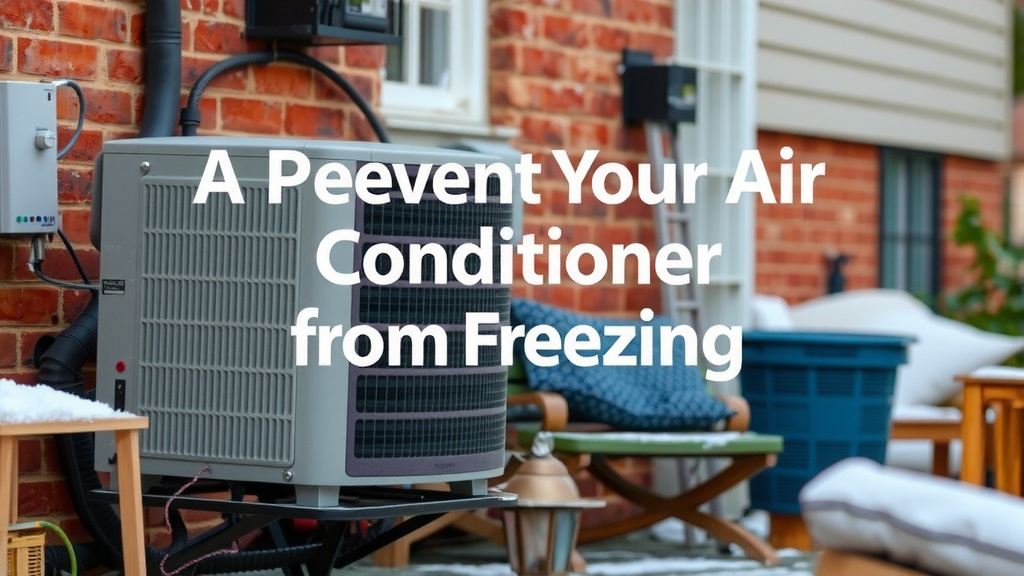
What to Do If Your AC Has Already Frozen
If you notice ice on your AC unit, the first thing to do is turn it off. Switch the system to “Fan Only” mode or simply turn off the cooling at your thermostat. This allows the ice to melt.
Do NOT continue running the AC in cooling mode. This can damage the compressor, which is a very expensive part. It also prevents the ice from melting effectively. You’ll want to give it several hours, or even overnight, to completely thaw.
Once it’s thawed, check your air filter. If it’s dirty, replace it. Then, you can try turning the AC back on. If it freezes again, it’s time to call a professional.
Here’s a quick checklist to help you prevent AC freeze-ups:
- Check and replace your air filter monthly.
- Keep all air vents (supply and return) clear of obstructions.
- Ensure there’s clear space around your outdoor AC unit.
- Listen for unusual noises from your AC system.
- If you suspect a refrigerant leak, turn off the unit immediately.
Conclusion
You’ve learned that keeping your air conditioner from freezing is largely about consistent maintenance. The most common culprits, poor airflow and dirty filters, are easily managed by you. By regularly checking and replacing your air filter, ensuring vents are clear, and keeping the outdoor unit clean, you protect your AC. This preventative care saves you money and keeps your home cool. Make these simple checks a habit, and you’ll enjoy worry-free cooling all summer.
Frequently Asked Questions
How long does it take for an AC to thaw out after freezing?
It can take anywhere from 4 to 12 hours for your AC unit to completely thaw. It’s best to leave the system in fan-only mode or with the cooling turned off. For stubborn ice buildup, giving it overnight is often necessary.
Can I spray water on my frozen AC unit to help it thaw faster?
While a gentle spray of water from a hose on the *outdoor* unit can help clear debris and melt surface ice, avoid directly spraying the indoor coils. Focus on allowing natural thawing by turning the system off first.
My AC froze last year; what’s the best way to prevent it this year?
The single best way to prevent freezing is to establish a routine of checking and replacing your air filter monthly. Ensuring all air vents are unobstructed is also critical. Consistent airflow is your best defense.
Is it okay to run my AC on a very low setting to cool my house faster?
Setting your thermostat too low, especially during humid weather, can actually cause your AC to freeze up. Research shows that operating the system at a slightly higher temperature is more effective and less likely to cause freezing.
What should I do if my AC freezes up repeatedly?
If your AC continues to freeze after you’ve addressed airflow and filter issues, it’s a sign of a more serious problem. This could indicate low refrigerant levels or a faulty part. It’s time to call a certified HVAC professional for diagnosis and repair.
![7 Best Horizontal Window Air Conditioner [2026]](https://bathroomexplorer.com/wp-content/uploads/2026/06/7-best-horizontal-window-air-conditioner-2026-featured-768x432.jpg)
![7 Best Small Ventless Air Conditioner [2026]](https://bathroomexplorer.com/wp-content/uploads/2026/06/7-best-small-ventless-air-conditioner-2026-featured-768x432.jpg)

![7 Best Cooling Window Air Conditioner [2026]](https://bathroomexplorer.com/wp-content/uploads/2026/06/7-best-cooling-window-air-conditioner-2026-featured-768x432.jpg)