
How to Recharge Your Air Conditioner: A Simple Guide
Recharging your air conditioner, often called adding refrigerant, is typically a job for a qualified HVAC technician. While you might see DIY kits, they often lead to improper charging, which can harm your system and reduce its efficiency. Experts advise against attempting this yourself due to the specialized tools and knowledge required.
The most common reason an AC needs refrigerant is a slow leak in the system. This isn’t something that just happens; it indicates a problem that needs fixing first. Simply adding more coolant without addressing the leak is like putting a bandage on a serious wound. It masks the issue temporarily but doesn’t solve it. We found that correctly identifying and repairing the leak is key to a lasting solution.
- ACs don’t “use up” refrigerant like a car uses gas.
- Low refrigerant usually means there’s a leak.
- Repairing the leak is the first step.
- Adding refrigerant requires specialized tools and knowledge.
- It’s best left to a professional HVAC technician.
Below, we’ll explain why your AC might be low on refrigerant and what steps a professional will take to get your cool air flowing again. Let’s make sure your system is running safely and efficiently!
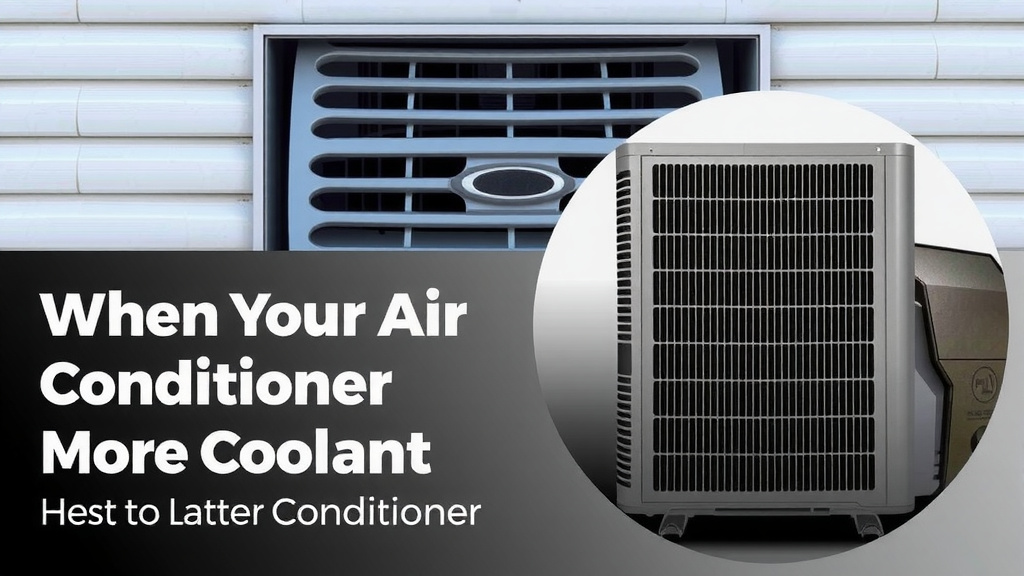
When Your Air Conditioner Needs More Coolant
Your air conditioner might be blowing warm air. This often makes people think it needs more refrigerant. It’s a common assumption, but it’s usually not the full story. Your AC system is a closed loop. It doesn’t consume refrigerant like a car uses gasoline. If your system is low on coolant, it almost always means there’s a leak somewhere. Simply topping it off is like pouring water into a leaky bucket. It won’t stay full for long.
Why Refrigerant Levels Get Low: The Leak Factor
The primary reason your AC system would be low on refrigerant is a leak in the sealed system. These leaks can happen for various reasons. Over time, vibrations can loosen connections. Metal components can corrode, especially in older units or those exposed to harsh environments. Even a tiny pinhole leak can allow refrigerant to escape slowly over months or even years.
The Role of Refrigerant in Cooling
Refrigerant is the lifeblood of your air conditioner. It’s a special fluid that absorbs heat from your home’s air. This heat is then carried outside and released. Think of it as a sponge for warmth. As this sponge circulates through the system, it picks up heat inside and drops it off outside. This continuous cycle keeps your home cool.
What Happens When Refrigerant is Low?
When there isn’t enough refrigerant, the system can’t absorb heat effectively. This leads to several noticeable problems. Your AC will struggle to cool your home. You might notice lukewarm air coming from the vents. Ice can also form on the evaporator coils inside your home. This is because the refrigerant isn’t flowing correctly to absorb heat. If you see ice, turn the system off and call a professional immediately.
The Dangers of DIY AC Refrigerant “Recharging”
You might see DIY recharge kits for sale. They make it seem easy to add more refrigerant yourself. However, we found that these kits often lead to serious problems. Overcharging a system is just as bad as undercharging it. Both can damage expensive components like the compressor. The compressor is essentially the heart of your AC system.
Why DIY is Risky: Beyond Just Adding Gas
Adding refrigerant requires more than just a can and a hose. A qualified technician uses special gauges. These tools measure the pressure and temperature of the refrigerant. This data tells them exactly how much coolant to add and if the system is operating within normal parameters. Without this information, you’re essentially guessing. Guessing with a complex and expensive appliance is a gamble you don’t want to take.
The Problem of Overcharging
Putting too much refrigerant into your system can cause the pressure to rise too high. This puts immense strain on the compressor. It can lead to overheating and eventual failure. A failed compressor is one of the most expensive repairs for an AC system. Many experts say it can be more cost-effective to replace the entire unit than to fix a damaged compressor.
The Problem of Undercharging
While overcharging is dangerous, undercharging also causes issues. As mentioned, it prevents proper cooling. It can also cause the evaporator coil to freeze up. This reduces airflow and can lead to water damage if the ice melts inside your home. It also makes the system work much harder than it needs to, wasting energy.
The Professional AC Recharge Process: What to Expect
When you call a professional HVAC technician for low refrigerant, they won’t just add more. Their first priority is to find and fix the leak. This is the most important step for a lasting solution.
Step 1: Diagnosing the Leak
The technician will first inspect your system. They look for obvious signs of refrigerant leaks. This can include oily residue around pipes or fittings. If the leak isn’t obvious, they will use specialized equipment. This might include an electronic leak detector or a UV dye that glows under a black light. Finding the exact location of the leak is critical for repair.
Step 2: Repairing the Leak
Once the leak is found, the technician will repair it. The repair method depends on the location and severity of the leak. It could involve tightening a connection, brazing a pipe, or replacing a faulty component. For your peace of mind, we found that proper repair ensures your system won’t lose refrigerant again soon.
Step 3: Evacuating the System
Before adding new refrigerant, the system needs to be completely empty. The technician will use a recovery machine to remove any remaining refrigerant. Then, they will use a vacuum pump. This removes air and moisture from the system. Air and moisture can contaminate the refrigerant and damage the system. This step is vital for system health.
Step 4: Adding the Correct Amount of Refrigerant
This is where the gauges come in. The technician will connect their gauges to the AC’s service ports. They will then add the specific type and amount of refrigerant recommended by the manufacturer. This is usually based on the system’s weight capacity or specific pressure readings. Adding the exact amount is essential for optimal performance.
Step 5: System Check and Performance Test
After recharging, the technician will run the system. They’ll monitor the pressures, temperatures, and airflow. They want to ensure everything is working correctly and efficiently. You should feel a noticeable difference in your home’s cooling. A final inspection ensures there are no immediate signs of trouble.
A Checklist for Your AC’s Health
Here’s a quick checklist to keep in mind regarding your AC’s refrigerant and overall health:
- Regular Maintenance: Schedule annual check-ups with an HVAC professional.
- Listen for Strange Noises: Hissing or bubbling sounds could indicate a leak.
- Monitor Cooling Performance: If your AC isn’t cooling effectively, don’t ignore it.
- Check for Ice: Ice on your indoor unit is a clear sign something is wrong.
- Don’t Buy DIY Kits: Avoid the temptation to recharge it yourself.
- Call a Pro for Leaks: If low refrigerant is suspected, always call a certified technician.
| Refrigerant Type | Typical Age of System | Notes |
|---|---|---|
| R-22 (Freon) | Pre-2010 | Being phased out; leaks are expensive to repair. |
| R-410A | 2010-Present | More environmentally friendly; requires different tools and procedures. |
So, while the concept of “recharging” sounds simple, it’s a task that requires expertise. Your AC system is a complex piece of equipment. Keeping it running smoothly involves more than just adding a can of coolant. It’s about proper diagnosis, repair, and precise recharging.
Conclusion
Understanding your air conditioner’s refrigerant needs is key to keeping your home cool. Remember, your AC doesn’t consume coolant like a car uses gas. If you suspect a refrigerant issue, it almost certainly means there’s a leak. Attempting a DIY recharge can lead to costly damage and inefficient cooling. We found that the safest and most effective approach is always to call a qualified HVAC professional. They have the tools and expertise to diagnose, repair leaks, and recharge your system correctly. Don’t let a simple recharge turn into a major repair – schedule that annual maintenance check-up today!
Frequently Asked Questions
What are the signs my AC might be low on refrigerant?
You might notice your air conditioner is struggling to cool your home. The air coming from the vents could feel lukewarm. You may also see ice buildup on the refrigerant lines or the indoor unit’s coils. If you hear unusual hissing or bubbling sounds, that could also indicate a leak.
Can I buy refrigerant and add it myself?
While DIY kits are available, we strongly advise against using them. Overcharging or undercharging the system can cause serious damage to components like the compressor. Professionals use specialized gauges to add the precise amount needed, which is difficult to do without proper training and equipment.
How do HVAC technicians find and fix AC leaks?
Technicians use several methods to locate leaks. They’ll often look for oily residue around connections, which can indicate escaping refrigerant. If the leak isn’t obvious, they may use an electronic leak detector or inject a special UV dye into the system that glows under a black light.
What happens if my AC is overcharged with refrigerant?
Overcharging your AC system is just as harmful as having too little refrigerant. It can cause the system’s pressure to rise too high. This puts excessive strain on the compressor, potentially leading to overheating and a costly failure. It’s vital for the system’s longevity to have the exact manufacturer-recommended charge.
How often should my AC’s refrigerant levels be checked?
Refrigerant levels generally don’t need checking unless there’s a suspected problem like poor cooling or visible ice. However, we found that scheduling annual professional maintenance for your AC is the best way to catch potential issues early. This includes checking refrigerant levels and ensuring the system is running efficiently.

![7 Best Energy Efficient Air Conditioner For Home [2026]](https://bathroomexplorer.com/wp-content/uploads/2026/06/7-best-energy-efficient-air-conditioner-for-home-2026-featured-768x432.jpg)