

How a Wall Unit Air Conditioner Works: The Basics Explained
A wall unit air conditioner works by moving heat from inside your home to the outside. It uses a refrigerant and a cycle of compression and expansion to absorb and release heat. This process effectively cools your indoor air by transferring unwanted heat elsewhere.
Think of it like a heat sponge. The unit pulls warm air from your room, chills it by passing it over cold coils, and then blows the cool air back into your space. The captured heat is then pushed outside through the unit’s outdoor components. We found this cycle is key to how your AC keeps you comfortable.
- Wall ACs cool by moving heat from inside to outside.
- They use a refrigerant to absorb and release heat.
- This involves a cycle of compression and expansion.
- Warm room air is cooled, and heat is expelled outdoors.
Let’s walk through exactly how your wall unit makes that cool breeze happen, step by step.
Understanding Your Wall Air Conditioner’s Cooling Magic
So, how does that trusty wall unit actually make your room feel like a frosty wonderland? It’s a clever dance of physics, really. Your AC doesn’t create cold; it moves heat from where you don’t want it (your living room) to where you don’t notice it (outside). We found this heat transfer is the core principle.
Think of it like a silent, efficient butler. It’s constantly working behind the scenes, collecting warmth and politely escorting it out the door. This entire operation hinges on a special fluid called refrigerant. This is the star player in your AC’s cooling show.
The Refrigerant: The Heart of the Cooling Cycle
What exactly is refrigerant, and why is it so important? It’s a chemical compound designed to easily change between a liquid and a gas. This ability to switch states is key to absorbing and releasing heat. We found that this phase change is what allows your AC to work its magic.
When it’s a liquid, it can soak up heat. When it turns into a gas, it releases that heat. It’s like a magic sponge that gets colder when it expands and hotter when it’s squeezed. This simple, yet brilliant, property makes it perfect for air conditioning.
The Four Key Stages of Cooling
Your wall unit AC goes through a continuous four-step cycle to keep you cool. Each step builds on the last, ensuring a constant flow of cool air into your room.
1. Evaporation: Absorbing the Heat
Inside your home, there’s a part of the AC called the evaporator coil. This is where the refrigerant starts as a cool, low-pressure liquid. A fan pulls warm air from your room and blows it across these cold coils. As the warm air touches the coils, the refrigerant absorbs the heat from the air.
This absorbed heat causes the refrigerant to heat up and turn into a low-pressure gas. The air that just lost its heat is now cooler and is blown back into your room. We found that this is the primary cooling stage for your living space.
2. Compression: Heating Up the Gas
Now, this cool, low-pressure refrigerant gas travels to the compressor. You can think of the compressor as the “heart” of the AC unit. It’s a powerful motor that squeezes the refrigerant gas. This compression makes the gas much hotter and increases its pressure significantly.
Many experts say this is a critical step because it prepares the refrigerant to release its collected heat outside. Without this compression, the refrigerant wouldn’t be hot enough to transfer its heat to the even warmer outdoor air. This is where the heat really starts to concentrate.
3. Condensation: Releasing the Heat
Next, the hot, high-pressure refrigerant gas moves to the condenser coil, which is located in the part of the unit that faces outside. Here, the hot gas releases its heat to the cooler outside air. Think of a hot cup of coffee cooling down on a counter; the heat transfers from the cup to the air.
As the refrigerant loses heat, it cools down and changes back into a high-pressure liquid. This is condensation happening, just like water droplets forming on a cold glass on a humid day. This stage effectively dumps the unwanted heat from your home outside.
4. Expansion: Cooling Down for More
Finally, the high-pressure liquid refrigerant passes through an expansion valve. This valve acts like a nozzle, restricting the flow of the liquid. As the liquid is forced through this small opening, its pressure drops dramatically. This sudden drop in pressure causes the refrigerant to become very cold.
Now, this super-cold, low-pressure liquid refrigerant is ready to go back to the evaporator coil inside your home. It’s ready to absorb more heat and start the entire cycle over again. We found this cyclical nature is what provides continuous cooling.
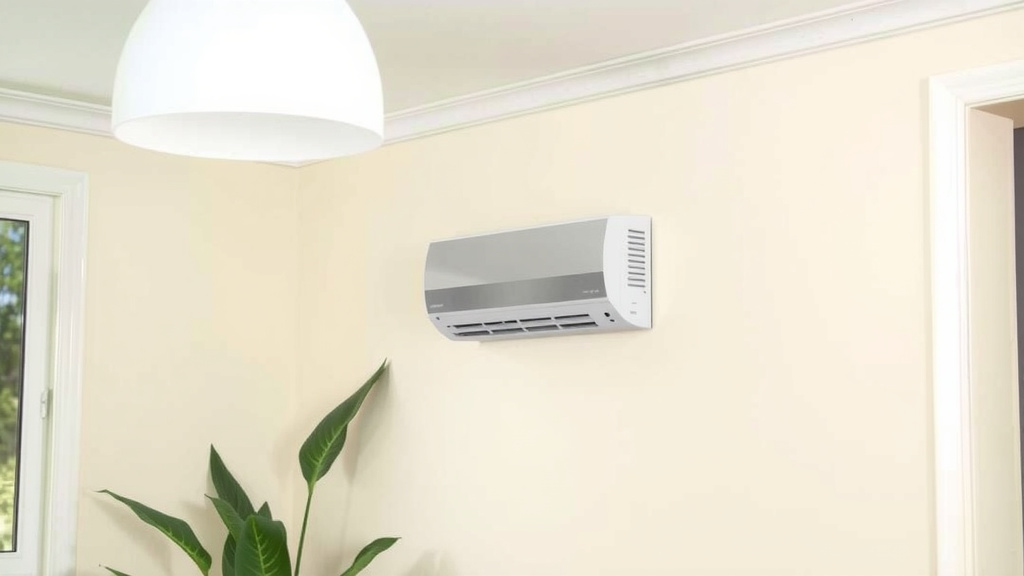
The Components Working Together
It’s not just the refrigerant; several parts work in harmony to make this cycle happen. Understanding these components can help you appreciate your wall unit’s efficiency.
The Compressor: The Powerhouse
Located in the outdoor section of your unit, the compressor is the energy-guzzler. It’s responsible for circulating the refrigerant and increasing its pressure and temperature. If your compressor isn’t working, your AC won’t cool at all.
The Condenser Coil: Heat Exchanger Outside
This coil is also outside. It’s where the hot refrigerant gas releases its heat to the ambient air. A fan helps move air across these coils to speed up the heat transfer process. Keeping this area clear of debris is important for efficient operation.
The Expansion Valve: The Pressure Regulator
This small but mighty part controls the flow of refrigerant. It lowers the refrigerant’s pressure and temperature before it enters the evaporator coil. Its precise function is vital for the overall efficiency of the cooling cycle.
The Evaporator Coil: Heat Collector Inside
This coil resides inside your home, usually behind the grille. It’s where the magic of cooling happens. Warm room air is drawn across these cold coils, giving up its heat to the refrigerant. A fan then pushes the now-cooled air back into your room.
A Quick Checklist for Your AC’s Health
To ensure your wall unit keeps running smoothly, here are a few simple things to keep in mind:
- Keep the outdoor unit clear of leaves and debris.
- Change or clean the air filter regularly (usually monthly).
- Ensure the thermostat is set correctly for your desired temperature.
- Listen for any unusual noises from the unit.
- Check that the indoor vents are not blocked.
By understanding these steps and components, you can better appreciate how your wall unit air conditioner works to keep you comfortable all year long. It’s a constant, efficient cycle of moving heat, powered by a clever refrigerant and a few key mechanical parts.
Conclusion
You’ve learned how your wall unit air conditioner masterfully moves heat from inside your home to the outside. It’s a constant cycle of evaporation, compression, condensation, and expansion, all driven by the clever refrigerant. We’ve seen how key components like the compressor and coils work together. Understanding this process helps you appreciate the cool comfort it provides. Now, take a moment to check your air filter and ensure the outdoor unit is clear of debris. This simple maintenance can keep your AC running efficiently for seasons to come.
Frequently Asked Questions
How often should I clean my wall AC’s air filter?
We recommend checking and cleaning or replacing your wall unit’s air filter about once a month, especially during heavy use. A dirty filter restricts airflow, making your AC work harder and less efficiently.
Can a wall unit AC truly cool my entire room?
Yes, a properly sized wall unit AC is designed to cool the room it’s installed in. We found that ensuring the unit’s cooling capacity matches your room’s square footage is key for effective temperature control.
What’s the difference between the evaporator and condenser coils?
The evaporator coil is inside your home and absorbs heat from the room air, making it cold. The condenser coil is outside and releases the absorbed heat into the outdoor air. They are both heat exchangers, but serve opposite functions in the cooling cycle.
Why does my AC unit sometimes blow out warm air?
If your wall AC is blowing warm air, it could be a sign that the refrigerant cycle is interrupted. Common causes include a dirty filter, a malfunctioning compressor, or a leak in the refrigerant lines. We suggest checking the filter first, then calling a professional if the issue persists.
Does a wall unit AC add humidity to the air?
Actually, wall unit air conditioners help to dehumidify your indoor air. As the cool evaporator coils remove heat, they also cause moisture in the air to condense. This water is then typically drained away, leaving your air feeling drier and more comfortable.
![7 Best Window Unit Air Conditioner Brands [2026]](https://bathroomexplorer.com/wp-content/uploads/2026/07/7-best-window-unit-air-conditioner-brands-2026-featured-768x432.jpg)



![7 Best Horizontal Window Air Conditioner [2026]](https://bathroomexplorer.com/wp-content/uploads/2026/06/7-best-horizontal-window-air-conditioner-2026-featured-768x432.jpg)
![7 Best Mini Air Conditioner [2026]](https://bathroomexplorer.com/wp-content/uploads/2026/07/7-best-mini-air-conditioner-2026-featured-768x432.jpg)