
How Is a Vacuum Made? Manufacturing Explained
Ever wondered what goes into making that handy vacuum cleaner you rely on? A vacuum cleaner is typically made through a multi-stage manufacturing process. This involves molding plastic parts, stamping metal components, and then assembling everything with electrical wiring and motors. It’s a fascinating blend of materials and machinery.
The creation of a vacuum involves careful design and precise engineering. Manufacturers focus on creating both the outer shell and the internal workings, like the motor and filtration system. We’ll look at how these different parts come together to create a working appliance you can use around your home.
- Vacuums are made using plastic molding and metal stamping.
- Assembly involves putting together these parts with motors and wires.
- Design focuses on both the look and the powerful cleaning function.
- Testing ensures the vacuum works safely and effectively.
Ready to see how all these pieces become the cleaning machine you know? Let’s walk through exactly how vacuums are made, step by step.
“`htmlHow Your Vacuum Cleaner Comes to Life: The Manufacturing Journey
Ever look at your trusty vacuum cleaner and wonder about its inner workings? It’s more than just a plastic shell and a motor. We found that vacuum manufacturing is a detailed process, turning raw materials into a powerful cleaning tool. Let’s follow its path from design to your home.
Designing the Dream Machine: From Sketch to CAD
Before any part is made, there’s a lot of thought put into the vacuum’s design. This stage is all about blending form and function. Engineers and designers work together to figure out how it will look and, more importantly, how well it will clean.
Ergonomics and Aesthetics: Making it User-Friendly and Good-Looking
Think about how you hold and move your vacuum. Designers consider how it feels in your hand and how easy it is to maneuver. They aim for a design that’s comfortable to use and fits nicely into your home’s aesthetic. This often involves many prototypes and user tests.
Performance Engineering: The Science of Suction
This is where the real cleaning power is born. Engineers focus on optimizing airflow, motor efficiency, and filtration. They study how air moves through the machine. The goal is to maximize suction while minimizing noise. Research guides these decisions for optimal performance (Consumer Reports).
Building the Body: Molding and Stamping
Once the design is finalized, it’s time to create the physical parts. Vacuums are typically made from a mix of plastic and metal components. These are produced using highly specialized machinery.
Plastic Molding: Crafting the Outer Shell
Most of a vacuum’s exterior, like the housing, dustbin, and handle, is made from plastic. This involves a process called injection molding. Molten plastic is injected under high pressure into a mold shaped like the desired part. Once cooled, the mold opens, and out pops a perfect plastic component.
The Injection Molding Process
First, plastic pellets are melted down. Then, this liquid plastic is forced into a precisely shaped metal mold. The mold is designed to create specific parts, from a small button to a large housing. After a short cooling period, the part is ejected. This method allows for consistent production of many identical pieces.
Metal Stamping: For Strength and Durability
Metal parts, like internal fans or sometimes structural components, are made using stamping. A large press machine cuts and bends sheets of metal into the required shapes. This is ideal for creating strong, precise metal pieces that can withstand wear and tear.
How Metal Stamping Works
Think of it like a giant cookie cutter. A metal sheet is placed under a die, and a powerful punch presses down. This cuts the metal and often bends it into a specific form. It’s a quick and efficient way to produce metal components needed for the vacuum’s robust design.
The Heart of the Machine: Motors and Electricals
A vacuum cleaner is essentially a sophisticated motor wrapped in a case. The motor is the engine that drives the suction. Electrical components are then carefully integrated.
Motor Manufacturing: The Powerhouse
Vacuum motors are powerful electric motors designed to create strong airflow. They are manufactured separately, often by specialized suppliers. This involves winding copper wire around an armature and assembling it with magnets and a casing. The quality of the motor is a key factor in a vacuum’s performance.
Wiring and Electronics: Connecting the Dots
Once the main parts are ready, the electrical wiring is installed. This connects the motor to the power cord and any control buttons or sensors. Safety is a major concern here. All wiring must meet strict electrical standards to prevent shocks or malfunctions (UL Standards).
Assembly: Bringing It All Together
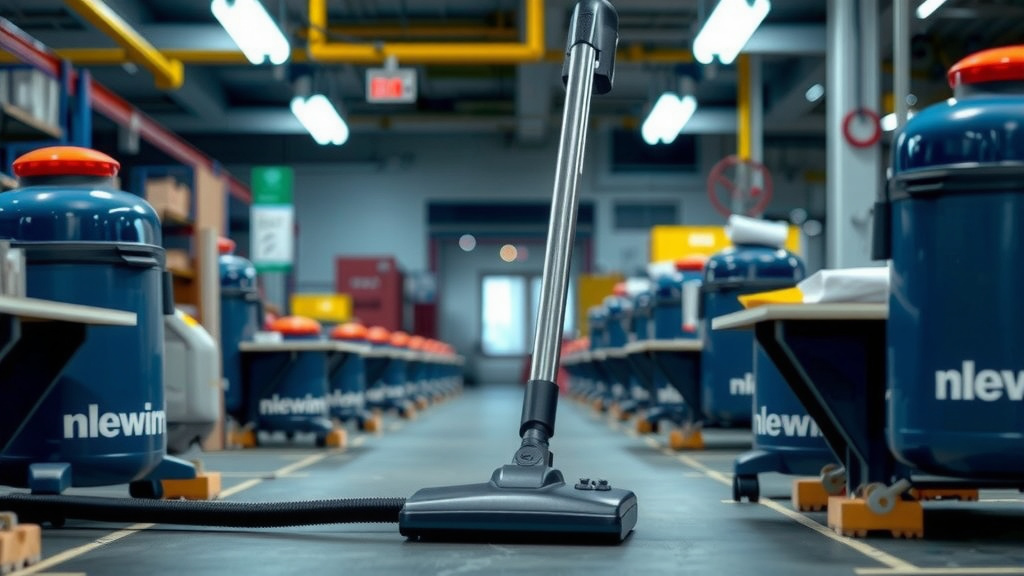
This is where everything starts to look like a vacuum cleaner. It’s a carefully orchestrated process on an assembly line.
The Assembly Line Process
Workers, often aided by automated systems, place the various components together. They start with the base, add the motor, attach the housing, and connect the wiring. Filters and dustbins are fitted. Wheels and handles are secured. Each step is precise to ensure everything fits correctly and works as intended. It’s like putting together a very complex puzzle.
Quality Control Checks Throughout
At various stages, quality checks are performed. This isn’t just done at the very end. Inspecting parts during assembly helps catch issues early. This prevents defective vacuums from moving further down the line. It saves time and resources.
Final Testing: Ensuring a Flawless Finish
Before a vacuum is packed and shipped, it undergoes rigorous testing. This ensures it meets safety and performance standards.
Performance Testing for Suction and Efficiency
Each vacuum is tested for its suction power. Manufacturers measure how well it picks up dirt from different surfaces. They also check the airflow and how efficiently the motor is running. This ensures the vacuum performs as advertised.
Safety Inspections: A Top Priority
Safety is paramount. Vacuums are tested for electrical safety, ensuring no leaks or hazards exist. They check that buttons work correctly and that the unit is stable. This final inspection is crucial for consumer protection and brand reputation.
- Verify motor function and suction power.
- Check all electrical connections for safety.
- Inspect for any physical defects or loose parts.
- Test control buttons and features.
- Ensure filters and dustbins are properly seated.
- Confirm smooth operation of wheels and handle.
Conclusion
You’ve journeyed through the fascinating process of vacuum cleaner manufacturing. We saw how designs start as sketches and become tangible parts through plastic molding and metal stamping. Then, powerful motors and careful wiring are assembled. Rigorous testing ensures your vacuum is both safe and effective for your home. Understanding this journey highlights the engineering behind everyday tools. So next time you vacuum, you’ll appreciate the thoughtful creation in your hands. Keep your vacuum clean and maintained for a longer lifespan!
Frequently Asked Questions
Are vacuum cleaner parts standardized across different brands?
Generally, vacuum cleaner parts are not standardized across different brands. Each manufacturer designs their components, like motors, filters, and housing, to fit their specific models. This means you usually need to buy replacement parts made specifically for your vacuum’s make and model.
What kind of plastic is most commonly used for vacuum cleaner bodies?
The most common plastic used for vacuum cleaner bodies is ABS (Acrylonitrile Butadiene Styrene). This material is chosen for its balance of strength, impact resistance, and ability to be easily molded into complex shapes. It’s durable enough to withstand everyday use and bumps.
How long does the manufacturing process typically take for a single vacuum?
The manufacturing process for a single vacuum cleaner can vary greatly depending on the complexity of the model and the production scale. However, from initial component production to final assembly and testing, it can often take several weeks to months to bring a new vacuum design to mass production.
Why are some vacuum cleaner parts made of metal while others are plastic?
Parts that require high strength, durability, or resistance to heat and friction, like internal fan blades or motor housings, are often made from metal. Plastic is used for lighter parts, aesthetic components, and areas where electrical insulation is needed, such as the outer casing and handles. This choice optimizes both performance and cost.
What happens to vacuums that fail quality control testing?
Vacuums that fail quality control testing are typically sent for rework or repair if the issue is minor and fixable. If the defect is significant or costly to repair, the unit may be scrapped or sold as factory seconds. This ensures that only fully functional and safe vacuums reach consumers.
![7 Best Lightweight Vacuum For Hardwood Floors And Pet Hair [2026]](https://bathroomexplorer.com/wp-content/uploads/2026/06/7-best-lightweight-vacuum-for-hardwood-floors-and-pet-hair-2026-featured-768x432.jpg)


![7 Best Electrolux Vacuum For Pet Hair [2026]](https://bathroomexplorer.com/wp-content/uploads/2026/05/7-best-electrolux-vacuum-for-pet-hair-2026-featured-768x432.jpg)