How Long Are Clams Good in the Refrigerator: Safe Storage Tips
Ever wondered how long are clams good in the refrigerator? It’s a question seafood lovers face every time they bring home a batch of fresh shellfish. Safe storage isn’t just about flavor—it’s about avoiding foodborne illnesses and getting the most from your catch or purchase.
Clams, like all shellfish, are highly perishable and demand careful handling. Whether someone’s planning a chowder next weekend or just snacked on steamers last night, knowing the right storage timeline helps avoid disappointment—and waste. For example, imagine someone buys a dozen clams on Friday for a Sunday dinner.
Is that safe?
Experts agree there are clear guidelines for keeping clams fresh, but many home cooks make simple mistakes. This guide will break down how long clams last in the fridge, share tips for storage, and cover ways to spot when they’ve gone bad. Ready to keep those clams at their best?
Let’s get started.
Understanding Clam Freshness and Shelf Life
Knowing when clams are safe to eat begins by understanding their unique shelf life and freshness cues. Live clams are highly perishable, but when handled properly, they can stay fresh for a short period in the refrigerator. The key is monitoring for signs of spoilage and knowing what “fresh” looks and smells like.
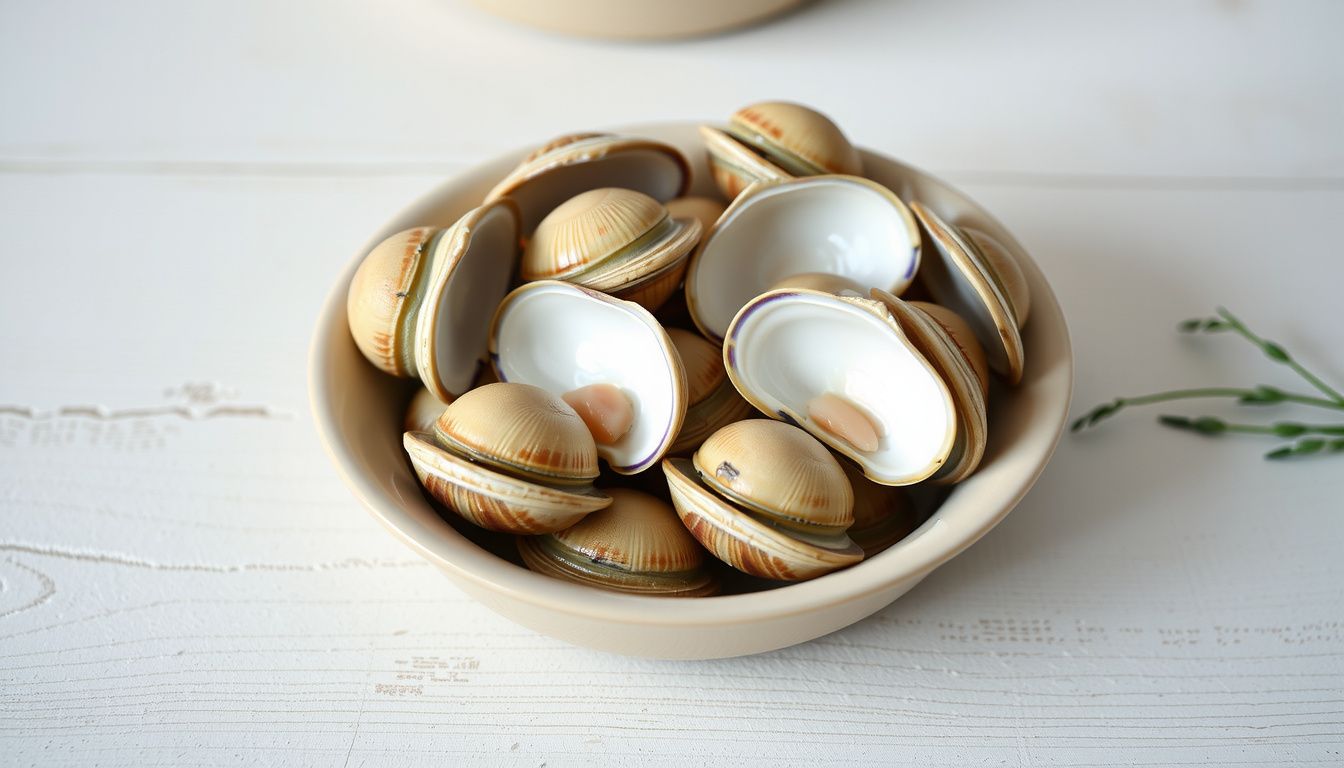
Fresh clams have tightly closed shells or will close quickly when tapped. Any clam with a cracked shell or one that stays open after tapping should be discarded. Odor is another reliable indicator: fresh clams should smell like clean ocean water, never sour or fishy.
For example, a home cook might bring home a bag of live littleneck clams for a weekend pasta dish. If stored correctly on ice and checked for signs of life, these clams remain safe for use within a narrow window—making vigilance essential for both safety and flavor.
How Long Are Clams Good in the Refrigerator: Key Timeframes
So, how long are clams good in the refrigerator? The answer depends on whether they’re live, cooked, or already shucked.
- Live clams: Up to 2 days, provided they’re stored in a breathable container and kept cold, never submerged in water.
- Cooked clams: 3–4 days in a sealed container, ensuring quick refrigeration after cooking.
- Shucked raw clams: 1–2 days, tightly covered and kept cold.
Picture a family preparing for a seafood feast: they purchase live clams on Friday but don’t plan to cook until Sunday. By storing the clams properly in the coldest part of the fridge, they can expect optimal freshness through the weekend, but anything beyond that raises spoilage risks.
Always check for off-odors or open shells before use. When in doubt, it’s safest to discard. This careful timing helps prevent foodborne illness and preserves the delicate taste of clams.
Best Practices for Storing Live Clams
Keeping live clams fresh in the refrigerator demands careful handling. Always store them unwashed, as rinsing may trigger early spoilage. Place clams in a breathable container—never a sealed bag or airtight container—to prevent suffocation.

Cover them loosely with a damp cloth or paper towel to retain moisture without trapping air.
Temperature control is critical. Store live clams in the coldest part of the fridge, typically between 32–35°F (0–2°C). Avoid stacking heavy items on top, as this can damage shells and kill the clams.
For best results, check daily and discard any with broken shells or that remain open after a gentle tap.
For example, a home chef storing clams overnight for a weekend dinner lines a bowl with a wet towel, adds the clams, and loosely covers them—ensuring they breathe and stay cool until cooking time.
Proper Storage of Cooked and Shucked Clams
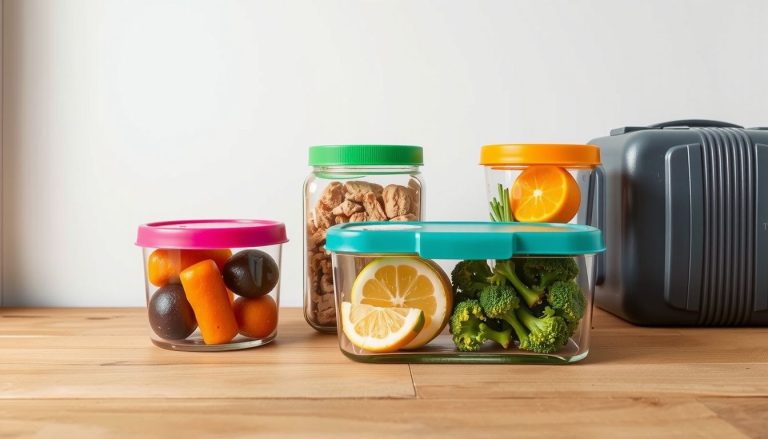
Once clams are cooked or shucked, their storage needs shift. Place them in a sealed glass or plastic container to prevent them from absorbing fridge odors. Always refrigerate promptly; cooked and shucked clams should be kept below 40°F (4°C) and consumed within 2–3 days for peak safety and taste.
If there’s leftover clam broth, store it separately and use it within the same timeframe. Label containers with the storage date to avoid confusion. Never leave cooked clams at room temperature for more than two hours, as bacteria multiply quickly.
A practical example: After a family clam chowder night, one saves extra cooked clams in a labeled airtight container and places it near the back of the fridge—far from the door—to maintain a steady, cool temperature until tomorrow’s lunch.
Recognizing Spoiled Clams: Warning Signs
Spotting spoiled clams can save people from foodborne illnesses. Even when stored properly, clams don’t last forever, so vigilance is crucial. Fresh clams should have a mild, ocean-like aroma and closed shells.
If a live clam’s shell is open and doesn’t close when tapped, it’s likely dead and unsafe to eat.
Signs of spoilage include:
- Strong, unpleasant odor (sour or ammonia-like)
- Discolored or dry flesh
- Slimy texture or excessive liquid in packaging
- Broken shells or shells that remain open
For instance, if someone opens their refrigerator and notices a package of clams emitting a pungent smell, even after only two days, it’s safest to discard them. Consuming spoiled clams can lead to serious illness, so when in doubt, throw them out.
Temperature Guidelines for Storing Clams
Maintaining the correct temperature is vital for extending the shelf life of clams. They should be kept cold but not frozen—ideally, between 32°F and 38°F (0°C to 3°C). This range slows bacterial growth without damaging the delicate meat.

Clams stored above 40°F (4°C) can spoil rapidly, even within a day. Storing them too cold, such as directly on ice without drainage, risks killing live clams and ruining texture. The refrigerator’s coldest part, usually the bottom shelf, is generally best.
Place clams in a breathable container—never seal them in airtight plastic, as they need air.
For example, a chef might store live clams in a colander over a bowl, covered with a damp towel in the refrigerator. This setup ensures good airflow and proper temperature, keeping clams fresh for as long as possible.
Common Mistakes to Avoid with Refrigerating Clams
Even seasoned home cooks can slip up when storing clams, risking both flavor and safety. Certain oversights are surprisingly common and can shorten the shelf life of refrigerated clams.
- Airtight containers: Sealing live clams in airtight containers suffocates them, causing them to spoil quickly. They need to breathe, so storing them in a breathable bag or loosely covered bowl is essential.
- Improper cleaning: Leaving sand or grit on shells can lead to off-flavors and increase spoilage risk. Rinse clams under cold water before refrigerating, but never soak them, as this can kill them.
- Storing in water: Placing clams in fresh water causes them to die and spoil rapidly. Always keep them dry and cold.
For instance, one cook placed live clams in a sealed plastic bag, only to find them dead and unusable the next day. Remember, how long are clams good in the refrigerator depends largely on proper storage habits.
Frequently Asked Questions About Clam Storage
Questions often arise about keeping clams safe and fresh in the fridge. Here’s what beginners frequently want to know:
- How can you tell if clams are still alive? Live clams should close their shells when tapped. If they remain open, they’re likely dead and should be discarded.
- Can you freeze clams for longer storage? Yes, both cooked and shucked clams can be frozen for several months. However, freezing live clams is not recommended as it affects texture and quality.
- What’s the best way to store cooked clams? Store cooked clams in a sealed container, and use within three days for peak quality.
Suppose someone prepares a big seafood feast and ends up with leftovers. They should let the cooked clams cool, place them in a shallow airtight container, and refrigerate promptly to maximize shelf life and safety.
Safe Consumption and Preparation Tips
Once clams have been stored properly, safe preparation is the next crucial step. Before cooking, always rinse clams under cold running water to remove any sand or grit. Discard any with cracked shells or those that fail to close when tapped.
When preparing, cook clams until their shells fully open. Any that remain closed after cooking should be thrown away, as this signals they weren’t alive before heat was applied. For cooked or shucked clams, reheat only what will be consumed and avoid repeated reheating to reduce the risk of bacteria growth.
Example: If someone brings home a dozen live clams for a pasta dish, they should soak them briefly in salted water, scrub the shells, and cook immediately. Waiting too long—even within safe storage times—can affect both safety and flavor.
- Wash and inspect before use.
- Cook thoroughly—discard unopened shells.
- Refrigerate leftovers quickly and consume within 1-2 days.
Final Thoughts
Storing clams safely in the refrigerator isn’t just about extending shelf life—it’s about preserving both flavor and family health. From market to mealtime, each choice impacts the quality of the meal and safety at the table.
For example, imagine a home chef planning a weekend seafood pasta. By checking for freshness, storing clams at the right temperature, and using them within the recommended window, they serve a dish that’s both delicious and safe for everyone to enjoy.
How long are clams good in the refrigerator? The answer is straightforward: with proper handling, they remain safe for up to two days. Any longer, and taste, texture, and safety suffer.
Ready to put this knowledge into action? Check your clams today, follow the best practices, and enjoy the freshest seafood experience possible.