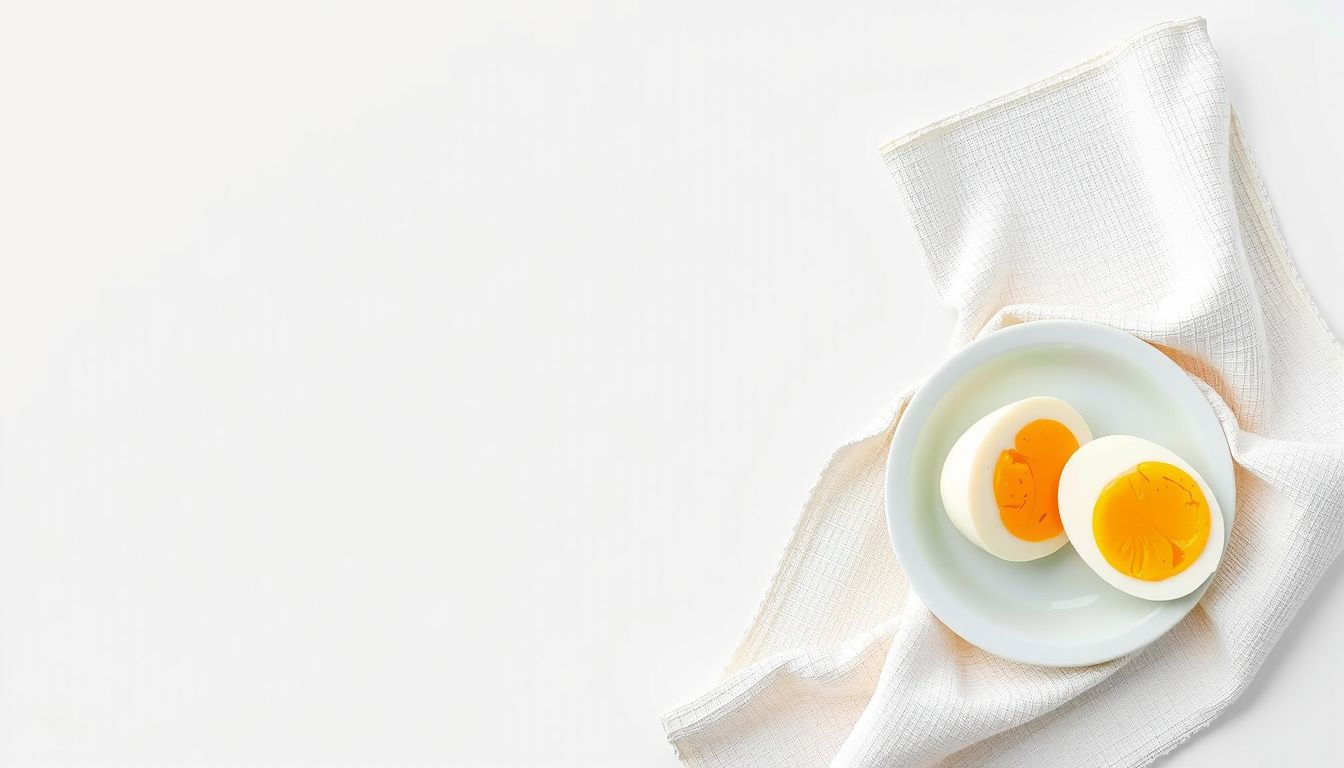
How Long Are Hard Boiled Eggs Good in Refrigerator: Safe Storage Guide
Wondering how long are hard boiled eggs good in refrigerator? That’s a common question, especially after prepping a big batch for salads, snacks, or meal prep. Eggs are a staple in many kitchens, but knowing exactly how long they stay safe and tasty is key to avoiding waste and foodborne illness.
Food safety experts agree that while hard boiled eggs are convenient, their shelf life in the fridge isn’t unlimited. For example, someone who boils a dozen eggs on Sunday for a week’s worth of breakfasts needs to know if those eggs will still be fresh by Friday.
With years of food safety guidelines and real kitchen experience, this guide breaks down the science and best practices behind storing hard boiled eggs. You’ll learn how long they really last, what signs to look for, and how to keep them at their best.
By the end, you’ll confidently know when to enjoy your eggs—and when it’s time to toss them. Let’s clear up the confusion and keep your meals both safe and delicious.
Understanding Hard Boiled Egg Shelf Life
Storing hard boiled eggs correctly is crucial for both taste and safety. Their shelf life hinges on factors like preparation, handling, and storage method. Whether someone peels the eggs or leaves them in their shells can make a significant difference.
When eggs are boiled, the protective natural coating on the shell is washed away. This leaves them more susceptible to bacteria if not refrigerated promptly. Experts recommend refrigerating hard boiled eggs within two hours after cooking to minimize the risk of foodborne illness.
Consider this scenario: A home cook boils a dozen eggs for meal prep, then forgets to refrigerate them until four hours later. Those eggs are at greater risk and may not last as long as those stored within the recommended window.
- Unpeeled eggs retain freshness longer than peeled ones.
- Humidity and refrigerator temperature impact shelf life.
- Proper storage containers help prevent moisture loss and odor absorption.
Understanding these basics lays the groundwork for safer, longer-lasting hard boiled eggs.
How Long Are Hard Boiled Eggs Good in Refrigerator?
When it comes to how long are hard boiled eggs good in refrigerator, the consensus among food safety authorities is clear: Hard boiled eggs—kept in their shells—can last up to one week when stored properly in the refrigerator at 40°F (4°C) or below.
If the eggs are peeled, their shelf life shortens. Peeled eggs should ideally be consumed within 3-4 days, as removal of the shell exposes them to air and potential contaminants. To maximize freshness, it’s best to store peeled eggs in a covered container with a damp paper towel.

For example, an athlete who prepares a week’s worth of protein-rich snacks on Sunday can safely eat unpeeled hard boiled eggs through Saturday, as long as they remain refrigerated.
- Unpeeled, refrigerated: Up to 7 days
- Peeled, refrigerated: 3-4 days
- Always check for off odors or slimy texture before eating
Adhering to these time frames ensures both food safety and quality.
Factors That Affect Hard Boiled Egg Freshness
Several variables determine how long hard boiled eggs remain safe and appetizing in the fridge. Each factor plays a unique role, so understanding these can help maximize freshness and minimize waste.
Shell integrity is a major factor. Eggs that are peeled before storage tend to dry out or absorb odors, while those left in their shells stay moist and protected longer. The refrigerator temperature matters as well: eggs need to be stored below 40°F (4°C) to slow bacterial growth.
Exposure to air and moisture also impacts shelf life. Eggs stored in airtight containers retain quality better than those left uncovered. Cross-contamination is another risk, especially if eggs are stored near raw meats or strong-smelling foods.
For example, a family who boils a dozen eggs for weekly snacks might notice that the eggs kept in their shells and stored at the back of the fridge last up to a week, while those peeled and kept near the door spoil faster.
Proper Storage Methods for Hard Boiled Eggs
Storing hard boiled eggs correctly is essential for both safety and taste. The right methods can extend their shelf life and prevent unpleasant surprises.
Store eggs in their shells whenever possible. The shell acts as a natural barrier, helping eggs last up to a week in the refrigerator. Place them in a clean, covered container to prevent moisture loss and absorption of fridge odors.
If eggs must be peeled, keep them in a sealed container with a damp paper towel. This helps maintain moisture and texture. Always label the container with the boiling date so it’s easy to track freshness.
- Keep eggs away from pungent foods (like onions or fish) to avoid flavor transfer.
- Store eggs on a refrigerator shelf, not the door, for consistent cold temperatures.
- Never freeze hard boiled eggs, as freezing ruins the texture.
As a practical example, a meal-prepper who batches lunches for the week can keep unpeeled hard boiled eggs in a designated lidded container, ensuring they stay fresh and ready for quick grab-and-go meals.

Signs That Hard Boiled Eggs Have Spoiled
Spotting a spoiled hard boiled egg is crucial for food safety. Even when refrigerated, eggs can go bad quietly, so knowing the warning signs helps prevent accidental consumption. Rely on your senses—sight, smell, and touch are excellent first lines of defense.
The most obvious sign is a foul or sulfur-like odor when peeling the egg. Fresh eggs have a neutral scent, so any unpleasant aroma means it’s time to discard the egg. Next, check the shell and the egg’s surface for slimy or chalky textures.
A slimy feel, even after rinsing, suggests bacterial growth and spoilage.
- Discoloration: Green, blue, or black spots on the white or yolk indicate mold or bacterial contamination.
- Unusual Texture: A rubbery or excessively dry interior signals the egg is past its prime.
- Cracks: Eggs with cracks in the shell are more likely to spoil quickly due to bacterial entry.
For example, someone prepping lunches for the week might notice a slight off smell when peeling Tuesday’s egg, even though it was cooked Sunday. That’s a clear sign to toss it, regardless of the date.
Tips to Maximize Hard Boiled Egg Freshness
Keeping hard boiled eggs fresh starts with how they’re handled from the moment they’re cooked. Proper technique and storage can add vital days to their safe consumption window. Here are practical steps for best results:
- Cool Quickly: Place eggs in an ice water bath immediately after boiling. Rapid cooling reduces overcooking and discourages bacteria.
- Store Unpeeled: Leave shells on until ready to eat. The shell acts as a natural barrier, helping eggs last longer in the fridge.
- Use Airtight Containers: If peeled, keep eggs in a sealed container with a damp paper towel to prevent drying and odor absorption.
- Label and Date: Mark the container with the cooking date to avoid confusion and ensure prompt consumption.
For instance, a meal prepper might cook a dozen eggs on Sunday, cool them fast, and store them unpeeled in a labeled container. That simple routine can extend their shelf life and deliver safe, tasty snacks all week long.
Frequently Asked Questions About Storing Hard Boiled Eggs
Readers often wonder about the finer details of storing hard boiled eggs and ensuring they’re safe to eat. Here are expert answers to the most common questions, with actionable tips anyone can use at home.
-
Should hard boiled eggs be peeled before refrigerating?
It’s safest to store hard boiled eggs in their shells. The shell protects against bacteria and helps retain moisture. For meal prep, peel just before eating. -
Can you freeze hard boiled eggs?
Freezing is not recommended for whole hard boiled eggs. The whites often become rubbery, though yolks can be frozen for later use in recipes. -
Is it safe to eat hard boiled eggs left out overnight?
No. Once eggs have been out at room temperature for more than two hours, bacteria can multiply quickly—discard them for safety. -
How do you organize them in the fridge?
Store eggs on a shelf instead of the door for stable temperature. For example, many families use labeled containers with the boiling date written on the lid for quick reference.
What This Means for You
Understanding how long are hard boiled eggs good in refrigerator helps anyone who values food safety and convenience. By following reliable storage methods and staying alert to subtle changes in appearance or smell, families and meal preppers can confidently enjoy hard boiled eggs throughout the week.
Consider this: A busy parent boils a dozen eggs on Sunday, stores them properly, and uses them for salads, snacks, and quick breakfasts—never worrying about freshness because they know the signs and timelines.
Now, it’s your turn. Start by checking your fridge for properly stored eggs and label containers with the boiling date. Build the habit of rotating your supply, and you’ll always have a safe, protein-rich option on hand.
Take these steps today to keep your eggs fresher, your meals safer, and your routine a little easier—starting now.