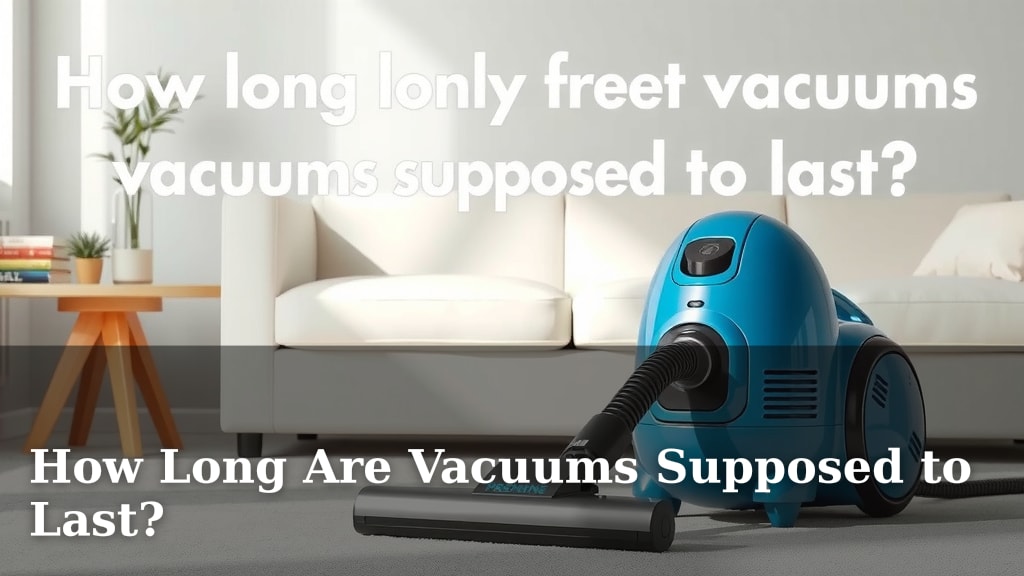
How Long Are Vacuums Supposed to Last?
Your vacuum cleaner should last between 6 to 10 years on average. This lifespan can change based on how well you maintain it. A well-cared-for vacuum cleaner can often live even longer. So, your trusty cleaning companion might stick around for quite some time!
Several factors influence how long your vacuum cleaner is supposed to last. These include the brand you choose and the type of vacuum it is. For instance, a high-quality upright might outlast a budget stick model with regular use. Proper cleaning and upkeep are also key to maximizing its life.
- Vacuum lifespans typically range from 6-10 years.
- Brand reputation and vacuum type play a big role.
- Regular maintenance extends your vacuum’s life significantly.
- Higher-quality models often last longer.
Let’s get into the details of what makes a vacuum last and how you can help yours reach its full potential.
Understanding Your Vacuum’s Lifespan
You might be wondering, “How long should my vacuum cleaner actually last?” It’s a great question! Most vacuums are built to give you reliable service for about 6 to 10 years. Think of it like a good pair of shoes; with the right care, they can go the distance.
Factors That Influence Vacuum Longevity
Several things can affect how long your vacuum cleaner stays in tip-top shape. It’s not just about luck; it’s about the quality you start with and how you treat it over time. Let’s break down what really matters.
Brand Reputation and Build Quality
Some brands have a reputation for making vacuums that last. These companies often use higher-quality materials and put more effort into their design. This means the components inside are more durable. You’re paying for engineering and durability.
We found that brands known for their robust construction tend to have vacuums that survive longer. They might cost more upfront, but they can save you money in the long run by avoiding frequent replacements. It’s an investment in your home’s cleanliness.
Type of Vacuum Cleaner
The type of vacuum you own plays a part. A powerful upright vacuum, for instance, might be built for heavier use than a lightweight stick vacuum. Stick vacuums are fantastic for quick cleanups, but they might not endure the same level of daily wear and tear as a full-sized model.
Canister vacuums are often known for their strong suction and durability, too. They tend to have more separate parts, which can mean more potential points of failure but also more robust construction overall. The design and intended use heavily influence its lifespan.
Usage Patterns and Environment
How often and how intensely you use your vacuum matters a great deal. If you vacuum your whole house every single day, your machine will likely wear out faster than someone who vacuums just once a week. We’ve seen that frequent, heavy use can shorten a vacuum’s life, especially if it’s not designed for such demands.
Where you live can also be a factor. Homes with pets, for example, often require more frequent vacuuming. If you have a lot of high-traffic areas or carpets that trap a lot of dirt and debris, your vacuum is working harder. This extra effort can lead to quicker wear and tear on the motor and brush roll.
The Power of Proper Maintenance
This is where you have the most control! Regularly caring for your vacuum cleaner is the single best way to extend its life. Think of it like giving your car an oil change; it keeps everything running smoothly. Neglecting maintenance is like driving your car until the engine seizes.
Keeping Filters Clean is Key
Your vacuum’s filters are like its lungs. If they get clogged with dust and debris, the vacuum has to work much harder to suck up dirt. This puts a strain on the motor. Many manufacturers recommend cleaning or replacing filters every 3 to 6 months. Check your manual for specific advice.
Dirty filters not only shorten your vacuum’s life but also reduce its cleaning performance. You might find yourself going over the same spot multiple times. Keeping them clean means your vacuum runs efficiently and lasts longer. It’s a win-win!
Emptying the Dustbin or Bag Regularly
Don’t wait until the dustbin is overflowing to empty it. When a vacuum is too full, airflow is restricted. This is similar to clogged filters; it makes the motor work harder than it needs to. Keeping the dustbin or bag at about two-thirds full is a good rule of thumb.
Some vacuums have indicator lights to let you know when it’s time to empty. Pay attention to these cues! Regularly emptying it ensures optimal suction power and reduces stress on the motor. It’s a simple habit that makes a big difference.
Clearing Brush Rolls and Hoses
Hair, strings, and larger debris can get tangled in the brush roll or block the hose. This can jam the mechanism and even damage the motor if left unchecked. We found that cleaning the brush roll regularly, perhaps once a month, can prevent serious issues.
Take a few minutes to visually inspect the brush roll. Use scissors or a seam ripper to carefully cut away any tangled material. Also, check the hose for blockages. A clear path for air and debris means your vacuum can do its job efficiently and without unnecessary strain.
When It Might Be Time for a New Vacuum
Even with the best care, every vacuum cleaner eventually reaches the end of its road. You might notice a few signs that indicate it’s time to start shopping for a replacement. It’s often a gradual decline rather than a sudden stop.
Signs of a Vacuum Nearing Its End
- Decreased Suction Power: If you notice your vacuum isn’t picking up dirt like it used to, even after cleaning the filters and emptying the bin, it could be a sign of motor wear.
- Strange Noises: Grinding, rattling, or unusual high-pitched sounds can indicate internal problems.
- Overheating: If your vacuum frequently overheats and shuts off, the motor may be struggling.
- Visible Damage: Cracks in the housing, a worn-out brush roll that can’t be replaced, or frayed cords are clear indicators.
- Frequent Breakdowns: If you’re constantly having to fix or troubleshoot your vacuum, it might be more cost-effective to buy a new one.
Cost vs. Benefit of Repairs
Sometimes, repairs are possible and make sense. A new hose or belt might be a relatively inexpensive fix. However, if the issue is with the motor or a major internal component, the cost of repair can quickly approach the price of a new, mid-range vacuum. Many experts suggest that if a repair would cost more than 50% of a new vacuum’s price, it’s usually time to consider replacement.
Checklist: Keeping Your Vacuum Going Strong
Want to get the most out of your current vacuum? Follow this simple checklist:
- Empty the dustbin/bag when it’s about two-thirds full.
- Clean or replace filters according to the manufacturer’s recommendations.
- Untangle the brush roll and clear any blockages in the hose.
- Store your vacuum properly in a dry place, away from extreme temperatures.
- Avoid vacuuming up large, sharp objects or excessive amounts of fine dust like drywall or concrete dust.
Taking these small steps can significantly extend the working life of your vacuum cleaner. You’ll save money and enjoy a cleaner home for longer!
Conclusion
Your vacuum cleaner is designed to be a reliable cleaning partner for years to come. While the average lifespan is 6 to 10 years, you have a lot of power to extend that. By understanding factors like brand quality and vacuum type, you make informed choices. Most importantly, consistent maintenance is your secret weapon. Keep those filters clean, bins empty, and brush rolls clear.
If you notice reduced suction or strange noises, it might be time for a new one. But before you shop, give your current vacuum a good tune-up using the checklist provided. Taking these steps ensures you get the most cleaning power and longevity from your investment. Happy cleaning!
Frequently Asked Questions
Can a cheap vacuum cleaner last as long as an expensive one?
Generally, no. While there are exceptions, vacuums built with higher-quality materials and better engineering tend to last longer. Cheaper models might use less durable components that wear out faster with regular use. Research shows that investing a bit more upfront often means fewer replacements down the line.
Is it worth repairing an old vacuum cleaner?
It depends on the repair. Minor fixes like replacing a belt or hose can be cost-effective. However, if the motor or a major internal part is failing, repair costs can quickly approach the price of a new vacuum. If a repair costs more than 50% of a new machine’s price, it’s usually better to replace it.
How often should I deep clean my vacuum cleaner?
Beyond regular maintenance, a deeper clean might be needed every 6-12 months, depending on usage. This could involve washing washable parts (like some filters and dustbins) and thoroughly inspecting all hoses and attachments for hidden debris. Always check your manual for specific cleaning instructions.
Does vacuuming frequently shorten its lifespan?
Yes, frequent and heavy use will naturally cause wear and tear faster than less frequent use. If you vacuum large areas or multiple times a day, your vacuum motor and brush roll work harder. This means you’ll need to be even more diligent with maintenance to keep it running optimally.
Can I vacuum up things that aren’t dirt, like small rocks or pet food kibble?
It’s best to avoid vacuuming up large, sharp objects or excessively coarse debris like small rocks or large amounts of pet food. These items can damage the vacuum’s internal components, clog the hose, or prematurely wear down the brush roll. Stick to typical household dust, dirt, and hair for best results.

![7 Best Dyson Vacuum For Carpet And Pet Hair [2026]](https://bathroomexplorer.com/wp-content/uploads/2026/05/7-best-dyson-vacuum-for-carpet-and-pet-hair-2026-featured-768x432.jpg)

![7 Best Face Vacuum For Blackheads [2026]](https://bathroomexplorer.com/wp-content/uploads/2026/05/7-best-face-vacuum-for-blackheads-2026-featured-768x432.jpg)