
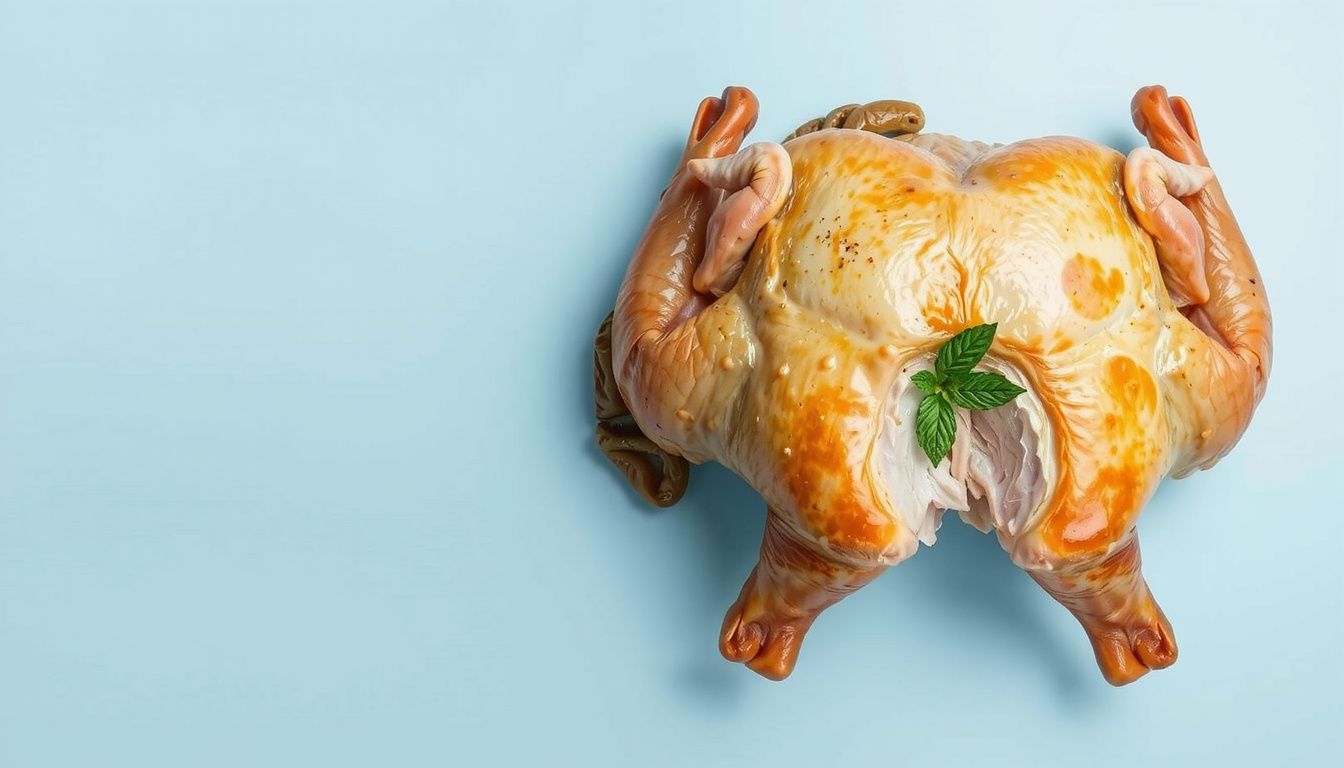
How Long Can a Fresh Turkey Be Refrigerated: Safe Storage Guidelines
Ever wondered how long can a fresh turkey be refrigerated before it’s no longer safe to eat? Whether someone’s gearing up for Thanksgiving or simply planning a family dinner, knowing how to store poultry correctly can make all the difference between a delicious meal and a kitchen disaster.
Food safety guidelines for fresh turkey aren’t just about taste—they’re about keeping everyone healthy. The answer depends on factors like the turkey’s purchase date, its packaging, and even the temperature of the fridge. As professionals in food safety stress, following best practices can save a family from foodborne illnesses and wasted money.
Imagine picking up a fresh turkey from the store on Monday, intending to cook it for a Saturday gathering. Does it last that long in the refrigerator, or should it be cooked or frozen sooner? Understanding the answer can help anyone plan with confidence and avoid last-minute stress.
This guide covers how long can a fresh turkey be refrigerated, shares expert-backed tips, and outlines common mistakes to avoid. Read on to make the most of every turkey dinner—safely.
Understanding Fresh Turkey Storage in the Refrigerator
Proper refrigeration is crucial for keeping fresh turkey safe and delicious. When a turkey is stored at the right temperature, bacteria growth slows, preserving both quality and safety. The key factor is temperature—always keep the refrigerator at or below 40°F (4°C).
This environment helps prevent the rapid growth of harmful bacteria like Salmonella or Campylobacter, which can lead to foodborne illness if turkey is mishandled.
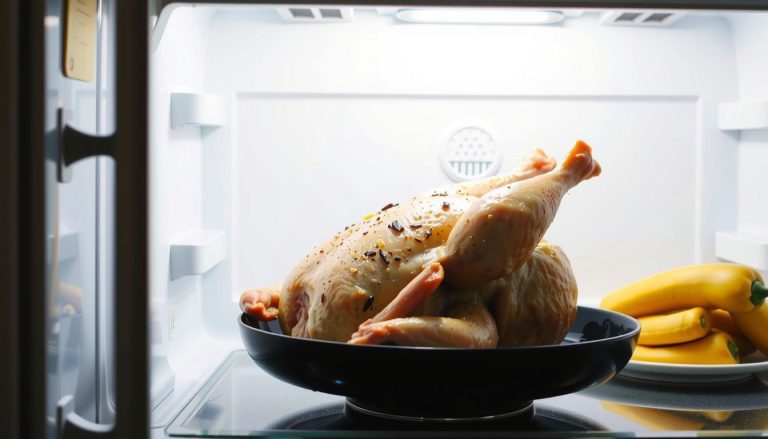
Fresh turkey should be kept in its original packaging until it’s ready to cook. Placing it on a tray or in a shallow pan helps catch any juices and avoids cross-contamination with other foods. For best results, position the turkey on the bottom shelf, away from ready-to-eat foods.
Imagine someone picks up a turkey for a holiday meal but their plans change, pushing the dinner back a couple of days. By keeping the turkey cold and undisturbed in the fridge, they can still serve a safe, high-quality bird when the time comes.
Recommended Refrigeration Time for Fresh Turkey
So, just how long can a fresh turkey be refrigerated? The answer: 1 to 2 days is the recommended window. This timeframe ensures the turkey remains safe and maintains peak quality before cooking.
After this period, even if the turkey looks and smells fine, bacteria levels may reach unsafe thresholds.
For those planning ahead, here’s a quick guide:

- Buy the turkey no more than 2 days before cooking.
- Store immediately upon arriving home.
- If plans change, freeze the turkey if not cooking within 2 days.
For example, if a shopper buys a fresh turkey on Monday intending to cook it on Thanksgiving Thursday, they should freeze it by Tuesday night if plans shift. This prevents spoilage and ensures food safety for the holiday meal.
Factors Influencing Fresh Turkey Shelf Life
Several variables can impact how long a fresh turkey stays safe and tasty in the refrigerator. The turkey’s initial quality, the speed at which it’s chilled after processing, and the packaging all play critical roles in shelf life. Turkeys that are processed and cooled promptly at the facility typically last longer than those exposed to fluctuating temperatures during transport or storage.
Packaging is another key factor. A turkey kept in its original, airtight wrapping will generally last longer than one that’s been partially opened or rewrapped at home. Exposure to air increases the risk of bacteria growth and spoilage.
Look, if someone buys a turkey and immediately transfers it to a sealed, airtight container, they’re already taking a proactive step to extend freshness.
- Initial freshness at purchase
- Speed of refrigeration post-purchase
- Quality of packaging and sealing
Each of these elements directly affects the safe storage time for turkey, so paying attention at every step matters.
Proper Refrigerator Temperature Settings for Poultry
Maintaining the right refrigerator temperature is essential for maximizing the shelf life of fresh turkey. The USDA recommends keeping refrigerators at or below 40°F (4°C) to prevent bacterial growth that can rapidly spoil poultry. Even slight increases above this threshold can sharply reduce how long turkey remains safe to eat.
For best results, individuals should use an appliance thermometer to verify the internal temperature, as built-in dials can sometimes be inaccurate. Consider this: a family buys a fresh turkey ahead of a holiday, but due to an overfilled fridge, the temperature creeps up to 45°F. In that scenario, the risk of spoilage rises dramatically, potentially ruining the meal and posing a health risk.
- Set refrigerator to 40°F (4°C) or lower
- Monitor temperature with a dedicated thermometer
- Store turkey on the lowest shelf to prevent drips and cross-contamination
Consistent, cold temperatures are the foundation for safe poultry storage and optimal flavor retention.
Tips for Storing Fresh Turkey to Maximize Freshness
Proper handling from the moment a fresh turkey enters the kitchen makes all the difference in flavor and safety. Always place the turkey on the bottom shelf of the refrigerator, as this prevents juices from dripping onto ready-to-eat foods. Wrapping matters: keep the bird in its original packaging until it’s ready to use, or rewrap it tightly in plastic wrap and foil to minimize air exposure.
For best results, maintain a refrigerator temperature of 40°F (4°C) or lower. If there’s any delay before cooking, place the turkey on a rimmed tray to catch leaks. Here’s a quick checklist for optimal storage:
- Store immediately: Refrigerate the turkey as soon as possible after purchase.
- Keep covered: Minimize handling and exposure to air.
- Don’t overcrowd: Allow cold air to circulate freely around the turkey.
Imagine a family holiday: someone buys a fresh turkey two days early, wraps it tightly, and places it on the coldest shelf—ensuring it’s perfectly safe and juicy for roasting.

How to Identify Spoiled Fresh Turkey
Detecting spoiled turkey early protects against foodborne illnesses. Rely on the senses—sight, smell, and touch—to catch warning signs. Look for grayish or greenish patches, which signal bacterial growth.
Slimy texture is another red flag, indicating the breakdown of proteins and onset of spoilage.
Smell is critical: a sour, sulfurous, or rotten odor means the turkey should be discarded immediately. Here are the main signs to check:
- Unusual odor: Any off or strong foul smells.
- Discoloration: Dull, gray, or greenish areas on the meat or skin.
- Sticky or slimy touch: A film or tacky layer on the surface.
For example, if someone unwraps a turkey and notices a strong, unpleasant odor and sticky skin, it’s safest to err on the side of caution and not cook it.
Safe Handling Practices Before and After Refrigeration
Safe handling is just as vital as refrigeration when managing fresh turkey. From the moment the turkey leaves the store, it should be kept cold—preferably in an insulated bag if the journey home is more than 30 minutes. At home, hands and all surfaces must be clean before and after touching raw poultry to prevent cross-contamination.
Fresh turkey should be stored on the lowest refrigerator shelf to avoid drips contaminating other foods. Always use a shallow tray or dish to catch any juices. If the turkey is not cooked within the recommended refrigeration window, it’s best to freeze it.
After cooking, leftovers should be refrigerated within two hours. A practical example: A family brings home a fresh turkey, places it on a tray in the fridge, and uses separate cutting boards for vegetables and poultry, reducing the risk of foodborne illness.
Key safe handling steps:
- Keep turkey cold during transport and storage
- Use clean utensils and surfaces
- Store on the lowest shelf in a leak-proof tray
- Refrigerate leftovers promptly
Frequently Asked Questions About Refrigerating Fresh Turkey
People often have questions about how long can a fresh turkey be refrigerated and how to handle it safely. Here are answers to some of the most common concerns, drawing from food safety expertise.
- Can a fresh turkey be stored longer than two days? Not recommended. For peak safety and quality, cook within 1-2 days.
- Should you wash the turkey before refrigeration? No. Washing can spread bacteria—keep it wrapped until ready to cook.
- What if the turkey smells slightly “off”? Even a mild off-odor signals possible spoilage. Discard to avoid risk.
- Is it safe to refreeze after refrigeration? Only if the turkey remained below 40°F and shows no spoilage signs.
For example, someone notices their turkey has a slimy texture after three days in the fridge. Expert advice is clear: discard it to protect household health.
What This Means for You
Understanding how long can a fresh turkey be refrigerated empowers home cooks to plan meals with confidence and avoid food safety pitfalls. By applying the right storage methods, anyone can protect both flavor and health. It’s not just about a date on the calendar—safe turkey storage is a practical skill that saves money and reduces waste.
Imagine hosting a holiday dinner: a turkey stored correctly means no last-minute grocery runs or unexpected spoilage. With clear guidelines, the stress of meal prep fades, letting you focus on what matters—sharing great food with others.
Ready to put these insights to use? Check your refrigerator’s temperature today, review your turkey’s storage timeline, and set reminders for when it’s time to cook or freeze. That single step ensures your next turkey dish is both delicious and safe.
Related read: 5 Best 14 Cubic Foot Refrigerators [In 2026]


![5 Best 15 Inch Beverage Refrigerators [In 2026]](https://bathroomexplorer.com/wp-content/uploads/2025/05/best-15-inch-beverage-refrigerator.jpg)
