How Long Can Breastmilk Be Stored in Refrigerator for Safe Feeding
Wondering how long can breastmilk be stored in refrigerator? You’re not alone—many new parents want to make sure every precious drop is handled safely. Knowing the right storage times can mean the difference between a healthy feeding and wasted milk.
Experts like pediatricians and lactation consultants point out that proper storage is key for preserving both nutrients and safety. For example, if a working mom expresses milk on Monday morning, can she use it for Friday’s daycare feedings? Understanding these guidelines brings peace of mind and helps avoid tossing out milk unnecessarily.
This guide explains exactly how long breastmilk lasts in the fridge, why these timeframes matter, and smart ways to keep your supply fresh. You’ll also see what happens if storage rules are stretched, plus quick tips to make breastmilk storage a stress-free part of your routine.
Let’s get into the facts so you can store your milk with confidence—and keep your baby’s nutrition right on track.
Understanding Breastmilk Storage Guidelines
When considering how long can breastmilk be stored in refrigerator, it’s essential to follow evidence-based recommendations. The Centers for Disease Control and Prevention (CDC) states that freshly expressed breastmilk can be safely stored in the back of the refrigerator for up to 4 days. This helps minimize the risk of bacterial growth and preserve the milk’s nutritional quality.
Parents should always label breastmilk containers with the date of expression, using the oldest milk first. If milk is not used within four days, it should be frozen or discarded. Remember, storage times may vary if a baby was born prematurely or has medical concerns, so consulting a healthcare provider is wise.
Here’s a practical example: Sarah, a new mother, pumps milk every morning and stores it in bottles marked with the date. By rotating her supply and using the 4-day guideline, she ensures her baby always receives fresh, safe milk.
Ideal Refrigerator Conditions for Storing Breastmilk
Proper refrigerator conditions are crucial for preserving breastmilk’s safety and nutritional value. The refrigerator should be set at or below 4°C (39°F). Storing milk at the back of the fridge, rather than in the door, helps maintain a consistent temperature and prevents exposure to warm air during frequent openings.
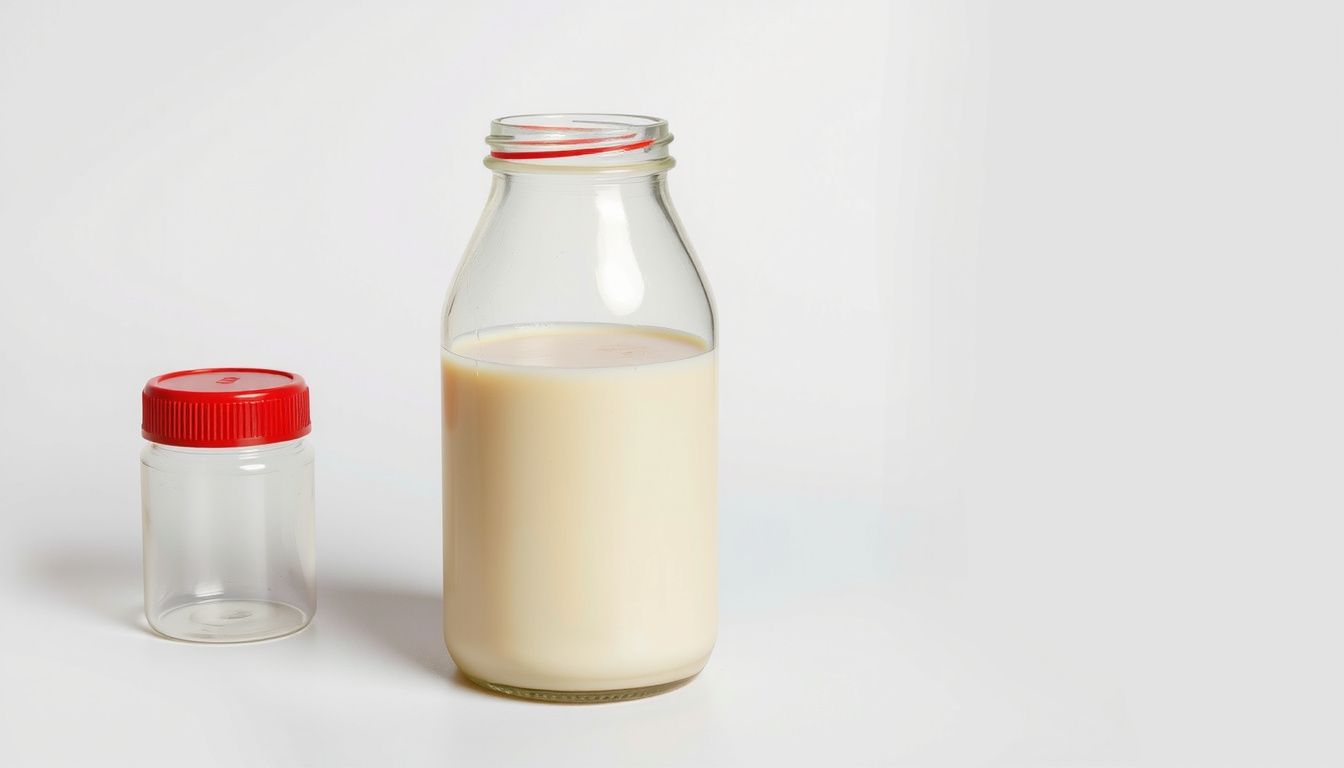
To maximize safety, parents should use clean, food-grade containers—such as BPA-free bottles or breastmilk storage bags—and ensure lids or seals are secure. Avoid glass containers if freezing is anticipated, as they may crack.

- Keep milk away from raw meats or foods with strong odors.
- Do not store breastmilk in the refrigerator door.
- Check for power outages to guarantee milk remains at a safe temperature.
For example, if an unexpected power outage occurs, Emily uses a refrigerator thermometer to check if the temperature stayed below 4°C. If not, she discards the milk to protect her baby’s health.
Recommended Storage Duration for Refrigerated Breastmilk
Once breastmilk is placed in the refrigerator, timing becomes crucial to ensure its safety and nutritional quality. The general recommendation from pediatric experts is that freshly expressed breastmilk can be stored in the refrigerator for up to four days at 4°C (39°F) or lower. This timeframe helps maintain the milk’s protective antibodies and nutrients.
For best results, always store breastmilk in sterile, airtight containers or specialized breastmilk storage bags. Label each container with the date and time of expression. If there’s any uncertainty about when the milk was stored, it’s safer to discard it after four days to avoid potential health risks.
Consider this scenario: A parent expresses milk on Monday morning and stores it in the fridge. By Friday morning, that milk should be used or discarded. Storing larger quantities in smaller portions helps reduce waste, as only what’s needed gets warmed up.
Remember, if breastmilk has already been thawed from the freezer, it should be used within 24 hours and never refrozen.
Identifying Signs of Spoiled Breastmilk
Knowing when breastmilk has gone bad is essential for a baby’s safety. Spoiled milk can harbor bacteria or lose its nutritional value, so early detection matters. Rely on your senses for the first check—sight and smell are strong indicators.
- Smell: Fresh breastmilk usually has a mild, slightly sweet scent. Spoiled milk often smells sour or rancid.
- Appearance: While some separation is normal, milk that remains clumpy after gentle swirling, or shows unusual colors (yellow-green, pink), could be spoiled.
- Taste: If unsure, a quick taste by an adult (never the baby) can confirm suspicion—spoiled milk tastes sour or soapy.
Consider a real-world example: A parent notices a bottle of milk in the fridge looks layered, with a yellowish tint and sour odor. Despite being within the four-day window, these changes mean it’s safest to discard it. When in doubt, err on the side of caution—babies are especially sensitive to bacteria.
Best Practices for Labeling and Organizing Stored Milk
Effective labeling and organization help caregivers avoid confusion and reduce waste. Always use food-safe, waterproof labels and a permanent marker to note the exact date and time each container of breastmilk was expressed.
Store milk in small, manageable portions (2–4 ounces) to minimize leftovers after feeding. Arrange containers in the refrigerator so that the oldest milk gets used first—this is known as the “first in, first out” method.

- Label every container with the date and time of expression.
- Group milk by date on a dedicated fridge shelf.
- Keep similar-sized containers together for easier rotation.
For example, a parent might dedicate a refrigerator bin to breastmilk storage, placing newly pumped milk behind older bottles. This simple system ensures that milk is always used within its safe storage window.
Safe Handling and Preparation Before Feeding
Proper handling is crucial to protect the nutritional integrity and safety of breastmilk. Always wash hands with soap and water before touching storage containers or preparing a bottle.
When removing milk from the refrigerator, gently swirl (not shake) the container to mix separated fat back into the liquid. Never use a microwave to warm breastmilk, as it can cause uneven heating and destroy beneficial nutrients.
- Warm milk by placing the container in a bowl of warm water for a few minutes.
- Test temperature by dropping a bit on the inside of the wrist—it should feel lukewarm, not hot.
- Discard leftovers if not finished within two hours after feeding begins.
For instance, a caregiver might set out a bottle to warm while assembling the baby’s feeding area, ensuring a smooth, safe feeding experience every time.
Frequently Asked Questions About Breastmilk Storage
Parents often have specific concerns about storing breastmilk, especially when it comes to maximizing safety and nutrition for their baby. Below are answers to some of the most common questions that arise.
- Can breastmilk be stored in the fridge door? It’s best to avoid the door since temperatures fluctuate—store bottles at the back of the main compartment instead.
- Is it safe to add freshly pumped milk to already refrigerated milk? Yes, but always cool the new milk to the same temperature as the stored milk before combining. This helps prevent bacterial growth.
- How should thawed milk from the freezer be handled? Thawed milk must be used within 24 hours and should not be refrozen.
- What if my power goes out? If the refrigerator remains closed, breastmilk can stay safe for up to four hours. Discard if unsure about the temperature.
For example, a working mother who pumps at the office can store her milk in a cooler bag with ice packs until she gets home, then transfer it to the back of the fridge to maintain freshness.
Expert Tips to Maximize Breastmilk Freshness
Experts emphasize that a few practical strategies can make a significant difference in keeping breastmilk fresh and safe for baby. These tips draw on evidence-based best practices from lactation consultants and healthcare providers.
- Chill quickly: Place expressed milk in the refrigerator as soon as possible to slow bacterial growth.
- Use small portions: Store milk in small, feed-sized portions (2-4 oz) to reduce waste and limit repeated warming.
- Avoid frequent temperature changes: Repeatedly moving milk in and out of the fridge can reduce shelf life and quality.
- Keep fridge temperature consistent: Set the fridge at or below 4°C (39°F) for optimal storage.
For instance, a parent might keep a small thermometer in the fridge to monitor temperature, ensuring milk stays within the safe range for as long as possible.
60-Second Recap
Storing breastmilk safely means more than just marking a date on a bottle—it’s about protecting a baby’s health and maximizing every precious ounce. Parents who master simple routines, like keeping the refrigerator at the right temperature and rotating their milk stash, find it much easier to avoid waste and stress.
Consider this: a busy mother pumps on a Monday and stores her milk in the fridge. By following best practices, she knows exactly how long that bottle will stay fresh and when it’s time to use it or move it to the freezer.
- Consistency in labeling and organizing can save hours of confusion.
- Recognizing changes in smell, taste, or texture helps spot when milk is no longer safe.
- Careful handling keeps breastmilk at its best for every feeding.
Take the next step: review your current storage habits, make small improvements, and feel confident every time you prepare a bottle.