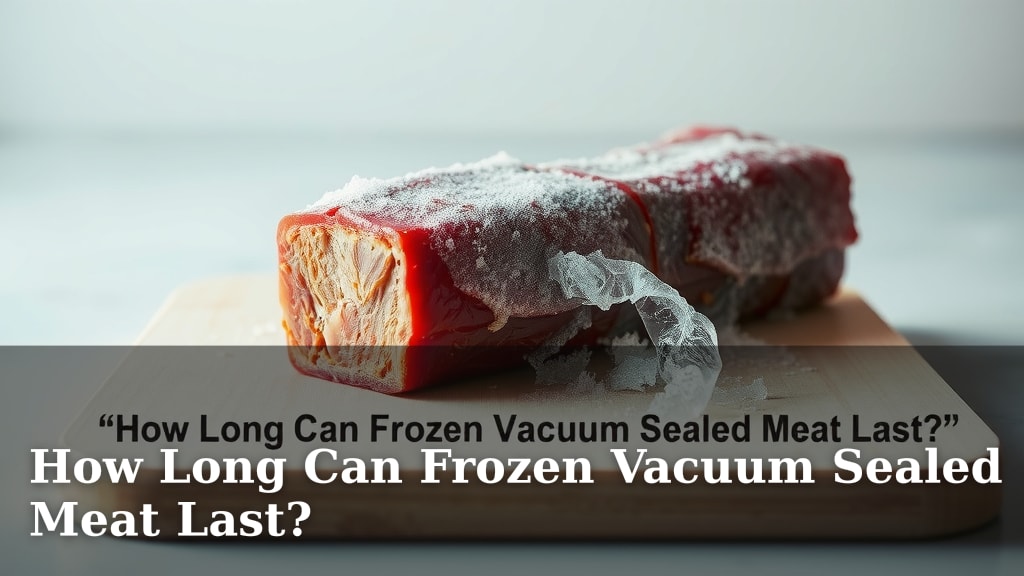
How Long Can Frozen Vacuum Sealed Meat Last?
You can keep vacuum-sealed meat frozen for a very long time, often two to three years or even longer. Proper vacuum sealing removes nearly all the air, which is the biggest enemy of frozen food. This process greatly extends the meat’s shelf life and helps maintain its quality and flavor compared to traditional freezer storage. You’re basically creating a protective shield for your meat.
When meat is vacuum-sealed and frozen, you’re preventing freezer burn. Freezer burn happens when air comes into contact with food, causing dehydration and oxidation. By removing the air, vacuum sealing minimizes this damage. This means your meat will taste fresher and have a better texture when you’re ready to use it, even after a long stay in the freezer. It’s a great way to save money and reduce waste.
- Vacuum-sealed frozen meat can last 2-3 years or more.
- Air removal is key to preventing freezer burn.
- This preserves meat quality and flavor for longer.
- It’s an excellent method for food preservation and saving money.
Let’s break down exactly how long different types of meat can last when vacuum-sealed and frozen, and what factors affect their shelf life.
Shelf Life of Frozen Vacuum-Sealed Meats
You might be wondering just how long that vacuum-sealed steak or chicken can hang out in your freezer. Research and many food safety guidelines indicate that vacuum-sealed meat, when frozen properly, can last for a remarkable amount of time. We’re generally looking at storage periods of two to three years, and often even longer for certain types of meat. This extended shelf life is primarily thanks to the vacuum sealing process. It’s like giving your meat a protective suit against the elements of the freezer.
Understanding the Science Behind the Seal
The magic of vacuum sealing is its ability to remove almost all the air from the packaging. Air is the enemy of frozen foods. It leads to something we all dread: freezer burn. Freezer burn isn’t spoilage; it’s dehydration. When air gets to the meat, it draws out moisture, leaving behind dry, tough, and discolored patches. The vacuum seal creates an airtight barrier. This dramatically slows down oxidation and moisture loss, which are the main culprits behind quality degradation in frozen foods.
Oxygen’s Role in Food Preservation
Oxygen plays a significant role in the spoilage of food, even when frozen. It can react with fats in the meat, leading to off-flavors and odors. By expelling oxygen, vacuum sealing halts or significantly slows down these chemical reactions. This means your meat will retain its fresh taste and aroma for much longer. Think of it as pressing pause on spoilage.
Moisture Retention is Key
Freezer burn is essentially a form of dehydration. When ice crystals form on the surface of food and then sublimate (turn directly from solid to gas), they take water with them. Vacuum sealing keeps the moisture locked in. Your meat stays juicy and tender, just as you’d expect. This is a big win for texture and overall eating experience.
How Long Can Different Meats Stay Frozen?
While the general guideline is 2-3 years, the exact lifespan can vary slightly depending on the type of meat. It’s helpful to know these differences, especially if you’re planning a big freezer stock-up.
Beef and Lamb: The Long Haulers
These red meats tend to be quite resilient. When vacuum-sealed and frozen, cuts like steaks, roasts, and chops can easily maintain excellent quality for up to three years. Ground beef, while also benefiting greatly from vacuum sealing, might be slightly more prone to quality changes over extended periods compared to whole cuts, but still typically lasts 1-2 years in excellent condition.
Pork: A Good Long-Term Friend
Similar to beef and lamb, pork products like chops, roasts, and tenderloins are excellent candidates for long-term freezer storage. You can confidently expect them to stay good for two to three years when vacuum-sealed and frozen. Ground pork also falls into this category, maintaining quality for at least a year, often longer.
Poultry: Chicken and Turkey
Chicken and turkey, whether whole or in parts, also benefit immensely from vacuum sealing. You can generally expect poultry to retain its best quality for up to two years. While some sources suggest longer, aiming for the two-year mark ensures optimal flavor and texture. Ground poultry, much like ground beef, might have a slightly shorter prime window but still lasts well over a year when sealed.
Fish: A Slightly Different Timeline
Fatty fish, such as salmon and mackerel, have a shorter freezer life due to the oils within them. While vacuum sealing helps immensely, their quality is best within 6-12 months. Leaner fish, like cod or tilapia, can last longer, often up to 1-2 years when vacuum-sealed and frozen. It’s always a good idea to use fish within a year if possible to enjoy its freshest taste.
Factors That Influence Frozen Storage Life
While vacuum sealing is a powerful tool, a few other things can affect how long your meat stays in peak condition. Think of these as little helpers for your frozen treasures.
Freezer Temperature Consistency
The most critical factor, aside from vacuum sealing, is maintaining a consistent and cold freezer temperature. The USDA recommends keeping your freezer at 0°F (-18°C) or below. Fluctuations in temperature cause ice crystals to melt and refreeze, which can damage the meat’s texture. This is why it’s important to avoid opening the freezer door too often or for extended periods. A self-defrosting freezer can sometimes cause more temperature swings than a manual one, making the vacuum seal even more important.
Initial Quality of the Meat
You can’t improve the quality of meat by freezing it. If the meat was already nearing the end of its fresh life when you sealed and froze it, it won’t magically become better. Start with the freshest meat possible for the best long-term results. This is key to ensuring your meat is enjoyable even after a long freezer vacation.
Proper Freezing Technique
Even with vacuum sealing, how you freeze the meat matters. Ensure the meat is packaged flat if possible. This allows it to freeze faster and more evenly. Faster freezing means smaller ice crystals, which leads to less damage to the meat’s cellular structure. Once frozen, it’s best to keep the packages in a way that they aren’t constantly jostled or moved around.
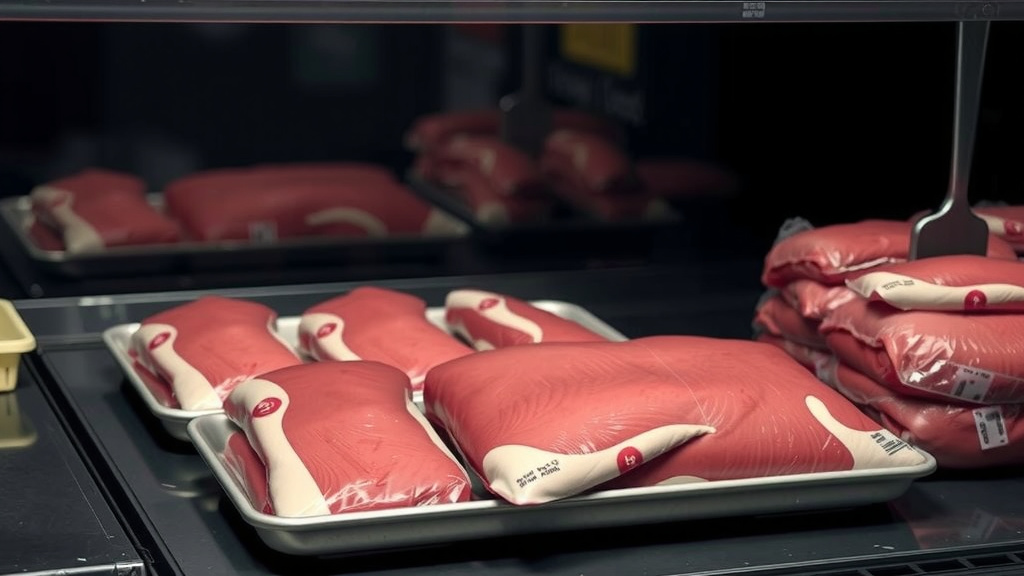
Maximizing Your Vacuum-Sealed Frozen Meat
Want to get the absolute best out of your vacuum-sealed frozen meat? Follow these simple tips:
- Always start with the freshest meat available.
- Ensure your vacuum sealer removes as much air as possible.
- Label each package clearly with the type of meat and the date it was frozen.
- Keep your freezer at a consistent 0°F (-18°C) or below.
- Try to freeze meat in portion sizes that you’ll use in a single meal.
- Rotate your stock; use older packages before newer ones.
When to Consider Using Your Frozen Meat
While vacuum-sealed meat can last for years, quality does eventually decline. Even though it’s safe to eat, you might notice subtle changes in texture or flavor after the prime storage period. Trust your senses. If meat has an off-smell, a slimy texture, or unusual discoloration (beyond what’s normal for freezer burn, which vacuum sealing prevents), it’s best to discard it. However, for meat stored correctly, you should have plenty of delicious meals ahead for a long time.
Conclusion
You’ve learned that vacuum sealing is your best friend for keeping frozen meat fresh. It creates a shield against freezer burn, letting you store meats like beef and lamb for up to three years, pork for two to three, and poultry for around two years. Even fish can last much longer when sealed properly, especially leaner varieties. Remember, a consistent freezer temperature of 0°F or below and starting with fresh meat are key to maximizing these times. Now you can confidently stock your freezer, knowing your meat will taste great when you’re ready for it. Take a moment to check your freezer’s temperature and label those packages!
Frequently Asked Questions
Does vacuum sealing really make a difference for frozen meat?
Yes, it makes a huge difference! Vacuum sealing removes almost all the air from the package. This is the primary defense against freezer burn, which damages texture and flavor. Your meat stays much fresher for longer compared to regular freezer bags or wraps.
Can I still get food poisoning from vacuum-sealed frozen meat?
Vacuum sealing prevents spoilage but doesn’t kill bacteria. If the meat wasn’t handled safely before sealing and freezing, harmful bacteria could still be present. Always practice good food safety when preparing and storing meat, and trust your senses when thawing and cooking.
What’s the best way to thaw vacuum-sealed frozen meat?
The safest way is to thaw it in the refrigerator. You can also thaw it under cold running water or cook it directly from frozen if your recipe allows. Avoid thawing at room temperature, as this can allow bacteria to grow quickly on the outer layers.
Should I remove meat from the vacuum-sealed bag before freezing?
No, you should keep the meat in the vacuum-sealed bag when freezing. The entire purpose of vacuum sealing is to remove air and create an airtight barrier to protect the meat during its time in the freezer. Removing it would defeat the purpose.
How do I know if my vacuum-sealed frozen meat has gone bad?
While vacuum sealing extends shelf life, spoilage can still occur. Look for an off smell, a slimy texture, or mold. Even if it looks okay, if it has been stored for an exceptionally long time beyond the recommended periods, it’s best to err on the side of caution and discard it.