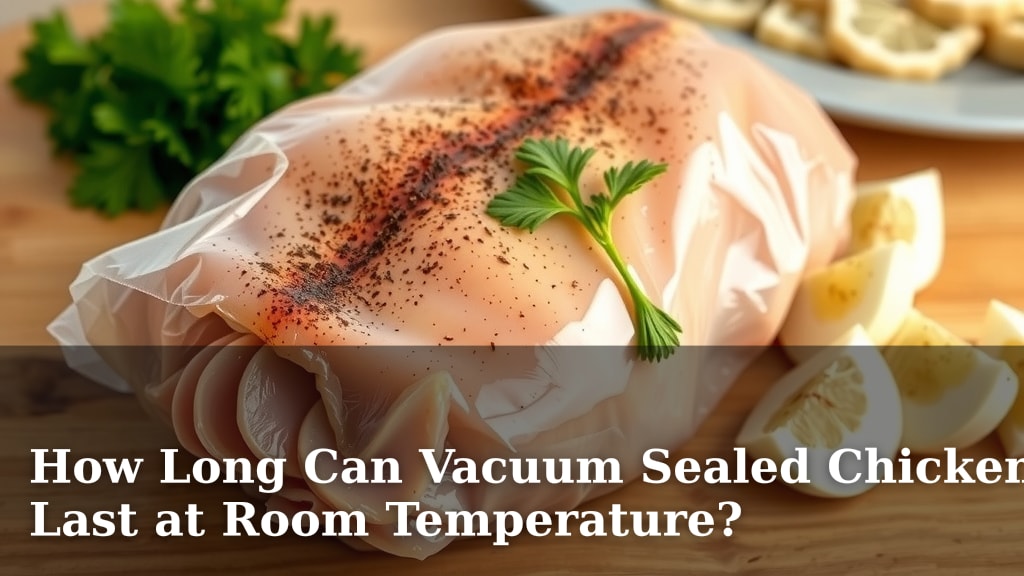
How Long Can Vacuum Sealed Chicken Last at Room Temperature?
Can vacuum-sealed chicken sit out on the counter? No, vacuum-sealed chicken cannot safely last at room temperature for an extended period. Bacteria that cause spoilage and illness can still grow, even in a vacuum-sealed package, once it gets warm. For food safety, keep your chicken cold.
Even though a vacuum seal removes most of the air, it doesn’t eliminate all the risks. Temperature is the most critical factor for preventing bacterial growth. If your chicken is left out, those sneaky microbes can multiply rapidly, compromising its safety and quality. We need to be smart about how we store it.
- Chicken spoils quickly at room temperature.
- Vacuum sealing doesn’t make chicken safe to leave out.
- Bacteria grow fast in the “danger zone” (40°F to 140°F).
- Refrigerate or freeze vacuum-sealed chicken immediately.
So, how long can you realistically leave it out before you should toss it? Let’s break down the specific timeframes and what you need to know to keep your chicken safe and delicious.
Understanding Vacuum-Sealed Chicken Safety at Room Temperature
So, you’ve got some chicken, vacuum-sealed it up, and now you’re wondering if it’s okay to leave it on the counter for a bit. It’s a common question, and the short answer is: you really shouldn’t. Even with that fancy vacuum seal, chicken is a food that demands respect when it comes to temperature.
Think of that vacuum seal as a helpful bodyguard, but not an invincible shield. It keeps out a lot of the air that encourages spoilage. But here’s the catch: it doesn’t magically make the chicken immune to the warmth around it. Bacteria are the real troublemakers, and warmth is their playground.
The Temperature Danger Zone for Chicken
Food safety experts have identified a critical temperature range where bacteria can grow incredibly fast. This is often called the “danger zone.” For most perishable foods, including chicken, this zone is between 40°F and 140°F (4°C and 60°C).
When your vacuum-sealed chicken sits in this temperature range, bacteria like Salmonella and E. coli can start multiplying. It happens much faster than you might think. We’re talking about potentially dangerous levels of bacteria within just a couple of hours.
How Quickly Do Bacteria Multiply?
Research shows that bacteria can double in number every 20 minutes when held in the danger zone. Imagine tiny, invisible critters having a party on your chicken! Even if it looks, smells, and tastes fine, it might not be safe to eat.
That vacuum seal slows down *some* types of spoilage, like oxidation, but it doesn’t stop the growth of many bacteria that cause foodborne illnesses. They don’t necessarily need air to thrive, especially when the temperature is right for them.
How Long is Too Long for Vacuum-Sealed Chicken at Room Temperature?
The general rule of thumb for perishable food is two hours. If the temperature is above 90°F (32°C), this time is cut down to just **one hour** (CDC). This applies even if your chicken is vacuum-sealed.
So, if you accidentally leave your vacuum-sealed chicken out on the counter while you’re busy, and the room is at a typical temperature (say, 70-75°F), you’ve likely got a very small window of safety. We’re talking about a couple of hours, tops, before you should consider it unsafe.
The Two-Hour Rule: A Lifesaver for Food Safety
This is a guideline that many health organizations, including the USDA, recommend. It’s a simple rule that can prevent a lot of upset stomachs and more serious health issues. Don’t push your luck with chicken!
Even if it’s vacuum-sealed, that chicken is still susceptible to the ambient temperature. Once it enters the danger zone, the clock starts ticking on how long it remains safe. For chicken, that clock is short.
What If It’s a Hot Day?
If you’re in a warmer climate, or if your kitchen feels particularly warm (above 90°F), your safe window shrinks even further. That one-hour rule is serious business. Bacteria love the heat, and they’ll make the most of it.
So, if you’re entertaining and the chicken has been out for over an hour on a hot day, it’s best to be safe and discard it. Your guests will thank you, even if they don’t know why!
Best Practices for Storing Vacuum-Sealed Chicken
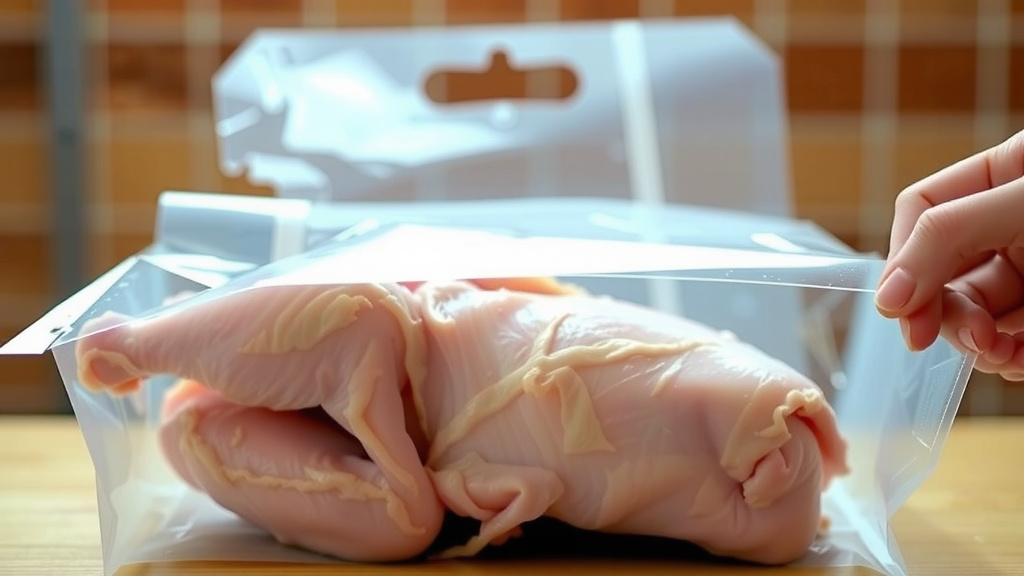
The most effective way to keep your vacuum-sealed chicken safe and preserve its quality is to keep it cold or frozen. This actively prevents bacterial growth.
Here’s how you should be storing it:
- Refrigerate immediately: Once you purchase vacuum-sealed chicken or seal it yourself, it should go straight into the refrigerator. This keeps it in the safe zone, typically below 40°F.
- Freeze for longer storage: If you don’t plan to use the chicken within a few days, transferring it to the freezer is your best bet. Vacuum sealing is excellent for freezing, as it prevents freezer burn.
Refrigeration Times for Vacuum-Sealed Chicken
When properly refrigerated at 40°F or below, vacuum-sealed chicken can last quite a while. We found that cooked chicken, when vacuum-sealed and refrigerated, can typically last up to 3 to 5 days. Raw chicken, vacuum-sealed and refrigerated, can also last around 3 to 5 days before it’s best to cook or freeze it.
However, always perform a quick visual check and smell test before cooking. If anything seems off, it’s better to err on the side of caution. Trust your senses!
Freezing: The Ultimate Preservation Method
Vacuum sealing is fantastic for freezing. It removes almost all the air, which means ice crystals have a much harder time forming and damaging the chicken’s texture. This prevents that dreaded freezer burn that can make chicken dry and unappetizing.
When properly vacuum-sealed and stored in the freezer (at 0°F or below), chicken can maintain its quality for a very long time. For best quality, many sources suggest using it within 6 months to a year for raw chicken, and a few months for cooked chicken.
What to Do If Your Vacuum-Sealed Chicken Was Left Out?
Okay, let’s say you realize your vacuum-sealed chicken has been sitting on the counter for longer than that two-hour window. What now? It can be tough to admit you might have to toss it, but food safety is no joke.
Here’s a simple checklist to help you decide:
- Check the time: Was it out for more than two hours (or one hour if it was hot)?
- Assess the temperature: Was the room temperature consistently in the danger zone?
- Inspect the packaging: Is the bag swollen or bulging? This can indicate bacterial growth.
- Trust your gut (and your nose): Does it smell off? Is there any slime or unusual color?
If you answered “yes” to any of the concerns about time or temperature, and especially if the packaging looks suspect or it smells bad, it is safest to discard the chicken. It’s not worth the risk of food poisoning.
Comparing Storage Methods for Chicken
To help you visualize why temperature is so important, let’s look at how long chicken generally lasts in different conditions. This comparison highlights why leaving it out, even when vacuum-sealed, is problematic.
| Storage Method | Typical Safe Storage Time (Raw Chicken) | Notes |
|---|---|---|
| Room Temperature (Above 40°F & below 140°F) | Max 2 hours (1 hour if over 90°F) | Bacterial growth is rapid. Vacuum seal offers minimal protection. |
| Refrigerator (Below 40°F) | 3-5 days (Vacuum-sealed) | Significantly slows bacterial growth. |
| Freezer (0°F or below) | 6-12 months (Vacuum-sealed for best quality) | Effectively halts bacterial growth; quality maintained longer. |
As you can see from this table, the difference temperature makes is enormous. While vacuum sealing is a fantastic tool for extending freshness in the fridge and freezer, it doesn’t change the fundamental rules of food safety when it comes to room temperature.
Conclusion
So, we’ve covered the essentials: vacuum-sealed chicken is not a free pass to leave your poultry on the counter. Temperature is the absolute king when it comes to food safety, and that “danger zone” between 40°F and 140°F is where bacteria have a party. Even with a vacuum seal, you’ve only got a very small window of safety – two hours, or one if it’s hot. Your best bet for keeping your chicken safe and delicious is to get it into the refrigerator or freezer right away. Always prioritize safe storage to protect your health and enjoy your meals with peace of mind.
Frequently Asked Questions
Does vacuum sealing really do nothing for chicken at room temperature?
Vacuum sealing helps slow down oxidation and some types of spoilage by removing air. However, it doesn’t stop the growth of bacteria that cause foodborne illnesses. These microbes thrive in the “danger zone” temperatures, regardless of whether the package is sealed or not.
What does the “danger zone” for food mean for my chicken?
The danger zone is the temperature range between 40°F and 140°F where bacteria multiply rapidly. When your vacuum-sealed chicken is in this range, it becomes unsafe to eat much faster than you might think, potentially within just a couple of hours.
What’s the absolute maximum time I can leave vacuum-sealed chicken out?
The general rule from food safety experts is that perishable food, including vacuum-sealed chicken, should not be left at room temperature for more than two hours. If the ambient temperature is above 90°F, this time is reduced to just one hour.
Are there visual cues that my vacuum-sealed chicken is no longer safe after being left out?
Yes, always check the packaging. If the bag appears swollen or bulging, it can indicate excessive bacterial growth. Also, trust your senses; a foul odor or slime are clear signs that the chicken is unsafe to eat.
Can I just re-seal chicken that has been left out too long?
No, you cannot make unsafe chicken safe again by simply re-sealing it. Once chicken has been in the danger zone for too long, the bacterial contamination has occurred, and no amount of sealing will reverse it. It’s best to discard it to avoid the risk of illness.
![7 Best Car Vacuum Cleaner For Dog Hair [2026]](https://bathroomexplorer.com/wp-content/uploads/2026/05/7-best-car-vacuum-cleaner-for-dog-hair-2026-featured-768x432.jpg)