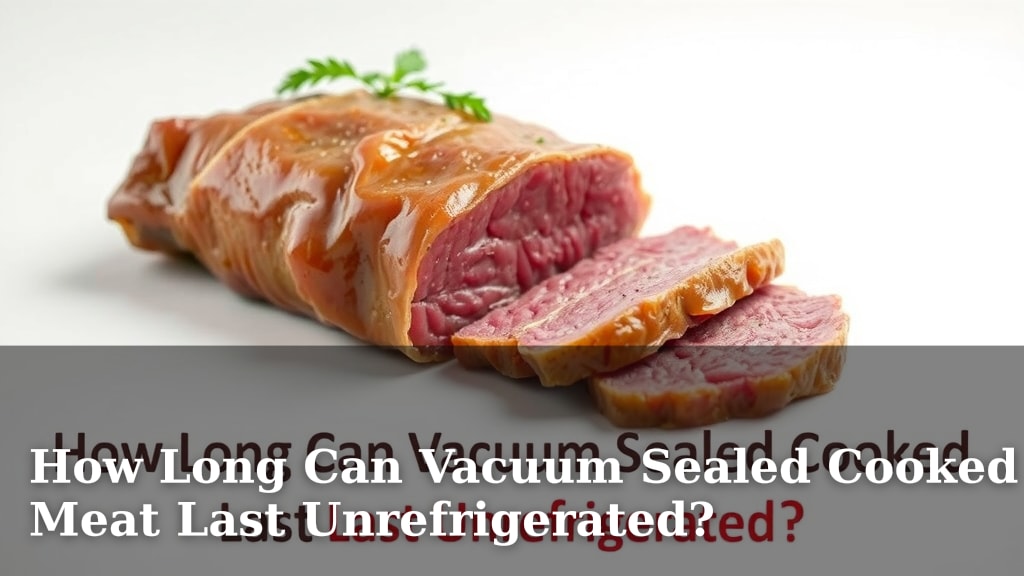
How Long Can Vacuum Sealed Cooked Meat Last Unrefrigerated?
Vacuum sealed cooked meat can last unrefrigerated for a surprisingly short amount of time, generally only 2 hours before bacteria start to multiply rapidly. This is because even though vacuum sealing removes air, it doesn’t eliminate the bacteria already present on the meat. Without refrigeration, those bacteria can quickly make your food unsafe to eat.
While vacuum sealing is great for extending the shelf life of food in the fridge or freezer, it’s not a substitute for refrigeration when meat is left out. You might be tempted to leave that meal prep chicken on the counter, but doing so could put your health at risk. Understanding these time limits is key to safe food handling.
- Cooked meat left out too long is a breeding ground for bacteria.
- The “danger zone” for bacterial growth is between 40°F and 140°F (4°C and 60°C).
- Vacuum sealing helps slow spoilage but doesn’t make meat safe at room temperature.
- Always refrigerate or freeze cooked meat promptly.
- When in doubt, throw it out!
Let’s look closer at why this happens and what the official recommendations are so you can keep your food safe and delicious.
Cooked Meat Left Out: How Long is Too Long?
You might be wondering just how long vacuum-sealed cooked meat can safely sit on your counter. We get it. Sometimes life happens, and plans change. But when it comes to food safety, a few hours can make a big difference. The general rule you should always remember is that cooked meat should not be left at room temperature for more than two hours.
This two-hour window shrinks even further if the ambient temperature is high. If your kitchen is warmer than 90°F (32°C), that time limit drops to just one hour. This is a critical food safety guideline everyone should know.
Understanding the “Danger Zone”
So, why are we so strict about these time limits? It all comes down to something called the “danger zone.” This is the temperature range where harmful bacteria can multiply very quickly. You might not see, smell, or taste these bacteria, but they can still make you sick.
What is the Temperature Danger Zone?
The U.S. Department of Agriculture (USDA) defines the danger zone as temperatures between 40°F and 140°F (4°C and 60°C). This is a broad range where most foodborne pathogens thrive and double in number every 20 minutes.
Think of your kitchen counter on a warm day. It’s usually somewhere within this range. Leaving cooked meat out in this zone is like giving bacteria an all-you-can-eat buffet. They’ll happily feast and multiply.
Vacuum Sealing and Bacterial Growth
You might think vacuum sealing is a magic bullet against spoilage. It certainly helps! By removing air, it slows down the growth of *aerobic* bacteria – those that need oxygen to survive. This can extend the shelf life of food in the refrigerator or freezer. However, it doesn’t eliminate all bacteria.
What about *anaerobic* bacteria? These are the tricky ones. They don’t need oxygen. Some of these anaerobic bacteria can grow even in the absence of air, especially in the temperature danger zone. So, while vacuum sealing is fantastic for storage, it doesn’t make cooked meat immune to the effects of being left out at room temperature.
Why Refrigeration is Still King
Refrigeration is your best friend when it comes to keeping cooked meat safe after you’re done with it. A refrigerator maintains a temperature of 40°F (4°C) or below. This significantly slows down bacterial growth.
The Role of Your Refrigerator
When you place cooked meat in the fridge, you’re essentially putting the bacteria on ice. Their metabolism slows down dramatically. They become dormant, or their growth is so slow that it’s not a significant risk within the typical storage times. Most refrigerated cooked meats can last for 3-4 days (CDC).
This is why prompt refrigeration is so important. Don’t let that delicious leftover roast chicken sit on the counter. Get it into a cool environment as quickly as possible to preserve its quality and safety.
When Does Vacuum Sealing Help Outside the Fridge?
It’s important to distinguish between short-term unrefrigerated storage and planned food storage solutions. Vacuum sealing is excellent for extending the life of food *when combined with proper temperature control*.
Extended Shelf Life in Controlled Environments
For example, vacuum-sealed cooked meat can last much longer in the freezer. Freezing at 0°F (-18°C) stops bacterial growth almost entirely. Vacuum sealing helps prevent freezer burn, keeping the meat’s quality intact for months, sometimes even years, depending on the type of meat and packaging.
It’s also useful for short trips or picnics if you use a well-insulated cooler with plenty of ice packs. The cooler keeps the food below the 40°F (4°C) threshold. But once the ice melts and the cooler warms up, you’re back to square one with that two-hour rule.
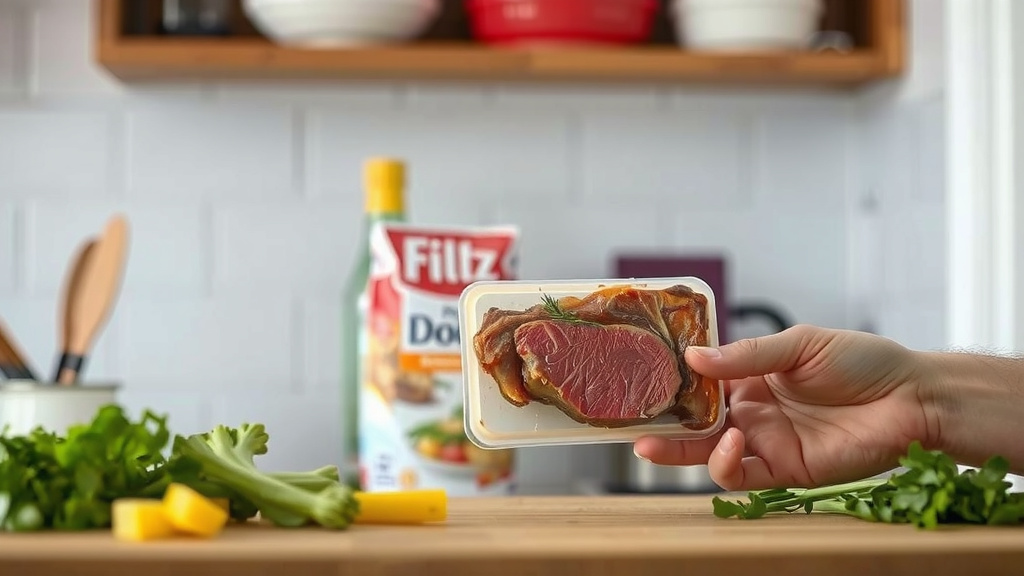
What If You Forget? The “When in Doubt, Throw It Out” Rule
We’ve all been there – you realize a dish was left out longer than it should have been. It’s tempting to think, “It looks fine,” or “It’s just a few hours.” However, when it comes to food safety, especially with cooked meats, it’s best to err on the side of caution.
The USDA strongly advises following the “When in doubt, throw it out” principle. You cannot see, smell, or taste the bacteria that can cause foodborne illness. Even if the food seems perfectly fine, it could still be unsafe to eat. The risks of a severe stomach bug are simply not worth it.
So, if you’ve left vacuum-sealed cooked meat out for longer than the recommended two hours (or one hour in high heat), please discard it. Your health is the top priority.
Quick Guide to Safe Meat Storage
Here’s a simple checklist to help you keep your cooked meat safe and sound:
- Refrigerate Promptly: Get cooked meat into the fridge (40°F or below) within 2 hours of cooking.
- Shorten the Window: If it’s over 90°F (32°C), refrigerate within 1 hour.
- Vacuum Seal for Storage: Use vacuum sealing to protect meat in the fridge or freezer, not as a substitute for cooling.
- Check Your Fridge Temp: Ensure your refrigerator is consistently at 40°F (4°C) or below.
- Freeze for Longer: For storage beyond a few days, freeze your cooked meat in vacuum-sealed bags.
- When in Doubt: If you’re unsure about how long food has been out, it’s always safest to throw it away.
| Temperature Conditions | Maximum Safe Time Unrefrigerated |
|---|---|
| Standard Room Temperature (below 90°F / 32°C) | 2 Hours |
| Warm/Hot Conditions (90°F / 32°C and above) | 1 Hour |
Remember, these guidelines apply to cooked meat. Raw meat has different safety considerations and should always be handled and stored with extreme care to prevent cross-contamination.
Conclusion
So, you’ve learned that vacuum sealing cooked meat is fantastic for storage in the fridge or freezer, but it’s not a magic shield against spoilage at room temperature. Remember, bacteria thrive in the “danger zone” between 40°F and 140°F. If your vacuum-sealed cooked meat has been left out for more than two hours (or one hour if it’s really hot), it’s time to say goodbye. Prioritize your health by always refrigerating or freezing leftovers promptly. When in doubt, it’s always best to throw it out!
Frequently Asked Questions
Can I leave vacuum-sealed cooked chicken on the counter overnight?
No, absolutely not. Cooked chicken, even when vacuum-sealed, should not be left at room temperature for more than two hours. Overnight is far too long and creates a serious risk of bacterial growth, making it unsafe to eat.
Does vacuum sealing make cooked meat last longer unrefrigerated than regular containers?
While vacuum sealing slows spoilage by removing air, it doesn’t eliminate bacteria. For unrefrigerated storage, it offers only a slightly extended window, not a significant boost. You still must adhere to the strict two-hour rule for safety.
What if my vacuum-sealed cooked steak looks and smells fine after being out for 3 hours?
It’s tempting to trust your senses, but dangerous bacteria are often invisible and odorless. The USDA strongly recommends discarding any cooked meat left out for longer than two hours, regardless of its appearance or smell. The risk of foodborne illness isn’t worth it.
How does the temperature of my kitchen affect how long vacuum-sealed meat can sit out?
Higher temperatures accelerate bacterial growth significantly. If your kitchen is above 90°F, the safe unrefrigerated time for vacuum-sealed cooked meat drops from two hours to just one hour. Always be mindful of the ambient temperature.
Is vacuum-sealed cooked meat safe to eat if it was in a cooler all day?
If the cooler maintained a temperature of 40°F or below for the entire day, the meat could still be safe. However, if the cooler warmed up at any point, especially above 40°F, you need to consider the time it spent in the danger zone. If it exceeded two hours in temperatures above 40°F, it’s best to discard it.
![7 Best Handheld Vacuum For Boat [2026]](https://bathroomexplorer.com/wp-content/uploads/2026/05/7-best-handheld-vacuum-for-boat-2026-featured-768x432.jpg)