How Long Can You Keep Cooked Chicken Refrigerated for Safe Consumption
Ever wondered how long can you keep cooked chicken refrigerated before it’s no longer safe to eat? It’s a question that pops up after meal prepping, hosting a big dinner, or simply packing away leftovers for lunch. Food safety experts agree: properly storing cooked chicken isn’t just about taste—it’s essential for health.
Picture this: someone makes a big batch of grilled chicken on Sunday, hoping it’ll last through the week. By Wednesday, they’re unsure if it’s still safe to eat, or if reheating it could be risky. This scenario is common, and the answer can save time, money, and prevent unnecessary food waste.
With years of food safety research to draw on, this guide breaks down exactly how long cooked chicken stays good in the fridge, the science behind spoilage, and clear steps anyone can follow at home. Ready to keep meals both tasty and safe? Let’s get into the key facts you need to know.
Understanding Cooked Chicken Storage Guidelines
Knowing how long cooked chicken remains safe in the fridge is essential for avoiding foodborne illness. The USDA recommends storing cooked chicken in the refrigerator for no more than 3 to 4 days. After this period, bacteria such as Salmonella or Campylobacter can multiply, even if the chicken looks and smells normal.
To follow best practices, always store chicken in shallow, airtight containers. This allows it to cool quickly and evenly. Labeling containers with the date cooked is a simple step that helps track freshness.
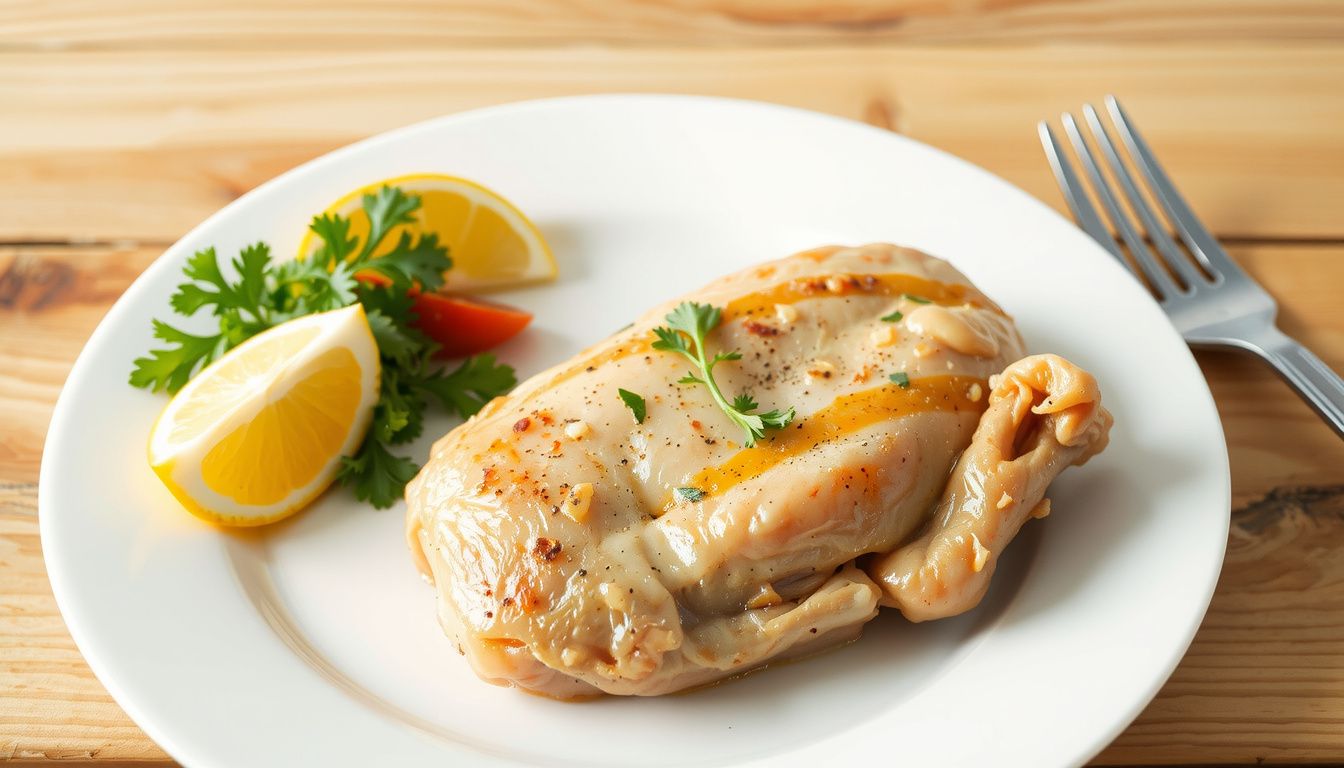
Consider this: After Sunday’s family dinner, someone places leftover grilled chicken in a sealed container and refrigerates it. By Thursday, it’s still safe to eat for lunch, but by Friday, it should be discarded to avoid risk.
- Store in airtight containers
- Label with the date cooked
- Discard after 4 days
Ideal Refrigeration Temperature for Cooked Chicken
Temperature plays a critical role in preserving cooked chicken’s safety and quality. The refrigerator should be set at or below 40°F (4°C). This temperature slows bacterial growth and extends the food’s shelf life, making it safe for up to four days.
Home refrigerators can vary, especially when packed full or opened frequently. Using an appliance thermometer ensures your fridge stays within the safe range. If temperatures rise above 40°F, even briefly, the risk of spoilage increases dramatically.
For example, if someone stores leftover roasted chicken in a crowded fridge and the temperature creeps up to 45°F overnight, the chicken’s safety window may shorten, and it should be eaten sooner or discarded.
- Keep fridge at or below 40°F (4°C)
- Use a thermometer for accuracy
- Don’t overload the fridge—ensure air circulation
Maximum Safe Duration for Refrigerated Cooked Chicken
The general rule is that cooked chicken stays safe in the refrigerator for up to 3–4 days. This window is based on guidelines from food safety experts and the USDA, which aim to prevent bacterial growth that could cause illness.
After cooking, chicken should be cooled and placed in the fridge within two hours. Left any longer at room temperature, bacteria can multiply rapidly—even if the chicken looks and smells fine. The countdown starts from the time the chicken finishes cooking, not when it’s first refrigerated.

For example, if someone prepares a batch of grilled chicken breasts on Sunday and stores them promptly, those leftovers should be eaten or discarded by Thursday at the latest. Marking containers with the date can help keep track and avoid accidental consumption past the safe period.
Factors Affecting Cooked Chicken Shelf Life
Several variables can influence how long cooked chicken remains safe in the fridge. These factors either slow or accelerate spoilage, impacting both taste and safety.
- Storage Temperature: Chicken kept at or below 40°F (4°C) lasts longer. Fluctuating temperatures, such as from frequent fridge door openings, can reduce shelf life.
- Storage Method: Air-tight containers or tightly wrapped foil/plastic help block bacteria and moisture loss. Exposed chicken dries out and spoils faster.
- Initial Freshness: Chicken that was close to its expiration date before cooking won’t last as long as freshly cooked, high-quality meat.
- Cross-Contamination: Placing cooked chicken near raw meats or unwashed produce can introduce harmful bacteria.
Consider a family storing leftover chicken in a sealed glass container at the back of the refrigerator, away from raw foods. This method maximizes shelf life, while chicken left uncovered on a fridge shelf spoils more quickly—even within the recommended timeframe.
Proper Storage Methods to Extend Freshness
Proper storage is essential for maximizing the lifespan of cooked chicken in the refrigerator. Store it in shallow, airtight containers or tightly wrap it in heavy-duty aluminum foil or plastic wrap. This limits exposure to air and reduces moisture loss, both of which can accelerate spoilage.
Always place cooked chicken in the fridge within two hours of cooking, or one hour if the room is above 90°F. Position containers on the refrigerator’s main shelves rather than the door, where temperatures fluctuate more. Label containers with the date to keep track of storage time.
For example, a family meal-prepping on Sunday might divide their cooked chicken into single-serving containers, clearly labeled with the date. This practice not only extends freshness but also makes portion control and meal planning easier throughout the week.
- Airtight containers prevent contamination and drying out.
- Quick cooling limits bacteria growth.
- Date labeling helps avoid accidental consumption past the safe window.
How to Identify Spoiled Cooked Chicken
Recognizing the signs of spoiled cooked chicken is crucial for food safety. Look for changes in appearance, texture, and smell. Spoiled chicken often develops a grayish hue, slimy surface, or sour, unpleasant odor.
Any one of these signs means the chicken should be discarded, even if it hasn’t reached the maximum recommended fridge time.
Touch is a reliable indicator: if the chicken feels sticky or tacky, it’s likely unsafe. Visual cues include mold spots or an iridescent sheen. Trust your senses—when in doubt, throw it out.
Consider a scenario where someone reheats leftovers and detects a sour smell upon opening the container. Even if the chicken looks normal, this odor signals spoilage, and eating it would be unsafe. Being vigilant with sensory checks prevents foodborne illness and keeps meals enjoyable.
- Unpleasant odor—most telling sign of spoilage.
- Color changes—gray or greenish tones indicate decay.
- Texture—slimy or sticky chicken is not safe to eat.
Risks of Eating Refrigerated Chicken Past Its Prime
Consuming cooked chicken stored beyond its safe window introduces real health risks. Harmful bacteria like Salmonella and Campylobacter can multiply even at refrigerator temperatures if chicken sits too long, increasing the odds of foodborne illness.

Symptoms of eating spoiled chicken may include nausea, vomiting, diarrhea, fever, and abdominal cramps. These effects can be especially severe for children, pregnant women, older adults, and individuals with compromised immune systems.
Consider this: A family member reheats leftover chicken from a week ago, thinking a quick sniff test is enough. Hours later, they experience stomach upset—a classic sign of bacterial contamination. Even if the chicken looks and smells normal, invisible pathogens may be present.
To avoid these risks, always stick to recommended refrigeration timelines and discard chicken that’s questionable. If in doubt, it’s safer to throw it out.
Tips for Reheating and Serving Stored Cooked Chicken
Proper reheating is crucial for both taste and safety. Always heat refrigerated cooked chicken to an internal temperature of 165°F (74°C) to kill lingering bacteria.
- Use a food thermometer to check the thickest part of the meat.
- Cover chicken when microwaving to retain moisture and ensure even heating.
- Reheat only what will be eaten; repeated cycles of cooling and reheating increase the risk of spoilage.
For example, someone preparing a quick lunch might shred leftover chicken and add it to a hot stir-fry. This method rapidly raises the temperature and helps ensure safety. Always serve immediately after reheating and refrigerate any uneaten portions within two hours.
By following these steps, individuals can enjoy delicious leftovers while minimizing health risks.
Frequently Asked Questions About Cooked Chicken Refrigeration
Questions often arise after storing leftovers, especially regarding how long can you keep cooked chicken refrigerated. Here, clear answers help avoid confusion and reduce food waste.
Can you freeze cooked chicken after refrigerating it for a few days? Yes. If the chicken still smells and looks fresh, it’s safe to freeze within 2-3 days of refrigeration. This helps extend its usability for recipes later on.
Is it safe to eat cold, refrigerated cooked chicken straight from the fridge? Absolutely, as long as it’s within the safe storage window and has been properly stored. Many enjoy sliced cold chicken in salads or sandwiches.
- Can reheated chicken be refrigerated again? No. Once reheated, eat it immediately—don’t return leftovers to the fridge, as repeated cooling and heating increase bacterial risk.
- What’s the best way to pack cooked chicken for lunch? Use an insulated lunch box with an ice pack. This keeps it at a safe temperature until you’re ready to eat.
For instance, someone might roast a chicken for Sunday dinner, store leftovers in an airtight container, and safely use the meat in salads and wraps through Wednesday.
60-Second Recap
When it comes to how long can you keep cooked chicken refrigerated, sticking to safe guidelines keeps meals delicious and free from risk. Keeping leftovers in airtight containers, labeling with dates, and storing them promptly at the right fridge temperature are all simple but vital habits.
Consider this: A busy parent preps grilled chicken on Sunday, stores it properly, and easily packs safe, ready-to-eat lunches for the family throughout the week—no second guessing, no stress. This is the practical payoff of food safety know-how.
- Refrigerate cooked chicken within two hours of cooking.
- Use within 3-4 days for best quality and safety.
- Check for spoilage before eating—when in doubt, throw it out.
Make food safety part of your kitchen routine. Take a moment today to check your fridge and set yourself up for healthy, worry-free meals all week long.