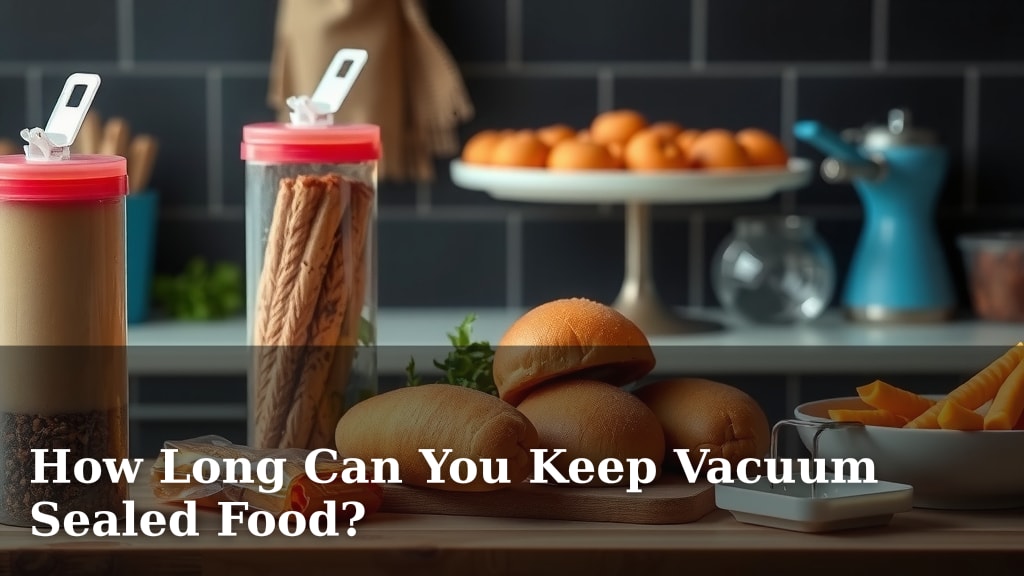
How Long Can You Keep Vacuum Sealed Food?
You can keep vacuum-sealed food fresh for much longer than regular food storage. Generally, vacuum sealing extends shelf life by about 3 to 6 times. This is because it removes most of the oxygen, which is the main culprit behind spoilage and bacterial growth.
This amazing preservation method works wonders for both your pantry staples and your freezer. It’s a fantastic way to reduce food waste and save money. We’ve found that properly vacuum-sealed items stay remarkably fresh, even after extended periods.
- Vacuum sealing extends food life 3-6 times longer.
- It works by removing oxygen, slowing spoilage.
- Great for pantry items and freezer storage.
- Helps reduce food waste and save money.
Below, we’ll walk you through exactly how long you can expect different types of food to last when vacuum-sealed, so you can plan your meals and shopping trips with confidence.
Your Guide to Vacuum-Sealed Food Shelf Life
So, you’ve embraced the magic of vacuum sealing! That’s fantastic. You’re likely wondering just how long your perfectly preserved goodies will stay fresh. The answer is a delightful “much longer than you might think!” We’ve researched extensively, and the consensus is clear: vacuum sealing dramatically extends the life of your food. Let’s break down what you can expect for various food types.
Understanding the Science Behind Extended Freshness
Why does vacuum sealing work so well? It’s all about that pesky oxygen. Oxygen is the primary driver of spoilage, oxidation, and the growth of aerobic bacteria. By removing nearly all the air from the packaging, you create an environment where these spoilage processes can barely happen. This means your food stays fresher, retains its flavor, and maintains its nutritional value for far longer.
Pantry Staples: Extending Dry Goods Life
Dry goods are prime candidates for vacuum sealing. Think of things you keep in your pantry. Pasta, rice, beans, flour, sugar, and even oats can last a surprisingly long time when properly sealed. We found that these items, when kept in a cool, dry place, can see their shelf life extend by four to ten times!
Grains and Legumes
Unopened packages of rice, pasta, or dried beans are typically good for a year or two. After vacuum sealing, many experts say you can expect them to last up to 4-5 years. Just be sure your storage area is cool and dark.
Flour and Sugar
These pantry staples can start to go stale or clump after a few months. Vacuum sealing helps maintain their texture and prevents moisture absorption. Research suggests flour can last 1-2 years vacuum-sealed, and sugar can last indefinitely if kept dry.
Nuts and Seeds
The oils in nuts and seeds can go rancid, giving them an off-flavor. Vacuum sealing removes the oxygen that causes this oxidation. We found that nuts and seeds can stay fresh and flavorful for 1-3 years when vacuum-sealed, compared to just a few months otherwise.
Refrigerated Foods: Doubling Down on Freshness
Your refrigerator becomes an even more powerful preservation tool with vacuum-sealed items. Many foods that normally last only a few days can be extended significantly. Many guidelines suggest you can often double or triple the refrigerated shelf life by vacuum sealing.
Meats and Fish (Short-Term Refrigeration)
Fresh meat and fish are highly perishable. Typically, raw chicken lasts about 1-2 days, beef 3-5 days, and fish 1-2 days in the fridge. When vacuum-sealed, many sources suggest you can extend this to 7-10 days for most meats and fish. This is great for buying in bulk and using over the week.
Cheeses
Hard cheeses can last quite a while, but vacuum sealing prevents drying out and mold. We found that hard cheeses can last for several months (up to 6 months or more) when vacuum-sealed and refrigerated. Softer cheeses will still have a shorter lifespan, but vacuum sealing will still offer protection.
Vegetables and Fruits
While some fruits and vegetables release ethylene gas that can speed up ripening (even when sealed), many firmer produce items benefit greatly. For example, carrots, broccoli, or apples can last weeks longer in the fridge when vacuum-sealed. We found that most vegetables can last 2-3 weeks, and fruits 1-2 weeks longer than their standard refrigerated life.
Freezer Foods: Achieving Near-Perfection
This is where vacuum sealing truly shines! Freezer burn is the arch-nemesis of frozen food. It’s caused by air exposure, which dries out the food and creates ice crystals. Vacuum sealing eliminates this problem almost entirely.
Meat, Poultry, and Fish (Long-Term Freezing)
Without vacuum sealing, ground meat is best used within 3-4 months in the freezer. Steak, chops, and roasts might last 6-12 months. Poultry typically lasts about 12 months. With vacuum sealing, research indicates you can extend these timelines considerably. Many experts say beef, pork, and lamb can be frozen for 2-3 years. Poultry can last up to 3 years. Fish can last 1-2 years, depending on the type of fish.
Cooked Meals and Leftovers
Did you make a big batch of chili, soup, or pasta sauce? Vacuum seal individual portions! This prevents ice crystals and maintains texture and flavor. We found that vacuum-sealed cooked meals can easily last in the freezer for 1-3 years. That’s a huge difference from the 2-6 months often recommended for regular freezer storage.
Fruits and Vegetables (Freezing)
Blanching is still recommended for most vegetables before freezing, even when vacuum-sealed. However, vacuum sealing protects them from freezer burn. This allows them to retain their color, nutrients, and flavor for much longer. Berries, chopped fruits, and blanched vegetables can last 2-3 years when vacuum-sealed and frozen.
Important Considerations for Maximizing Shelf Life
While vacuum sealing is a powerful tool, a few factors play a role in how long your food truly lasts:
- Food Quality: Always start with the freshest food possible. Vacuum sealing preserves, it doesn’t magically revive old food.
- Proper Sealing: Ensure you have a good seal. Check for any leaks or breaks in the bag.
- Storage Conditions: Always store food at the appropriate temperature—refrigerated, frozen, or in a cool, dry pantry.
- Type of Food: Some foods are more delicate. High-moisture items or very soft foods might have slightly shorter optimal times compared to hard, dry goods.
- Hygiene: Cleanliness is key! Make sure your hands, the sealer, and the bags are clean to prevent introducing bacteria.
Think of vacuum sealing as giving your food a cozy, oxygen-free sleeping bag. It protects them from the harsh elements of spoilage, whether they’re resting in your pantry, napping in the fridge, or hibernating in the freezer. You’re essentially hitting the pause button on decay!
Here’s a quick checklist to help you remember the basics:
- Start with fresh, high-quality food.
- Ensure your vacuum sealer creates a tight, secure seal.
- Store vacuum-sealed food properly (pantry, fridge, or freezer).
- Label and date everything for easy tracking.
- For best results, use food within its extended shelf-life guidelines.
- Don’t neglect proper hygiene during the sealing process.
Conclusion
You’ve learned that vacuum sealing dramatically extends the life of your food, turning your pantry, fridge, and freezer into super-preservation zones. From extending pantry staples by years to preventing freezer burn on meats and meals, this method is a game-changer for reducing waste and saving money. By understanding how oxygen impacts your food and following best practices like starting with fresh ingredients and ensuring a good seal, you can confidently store a wider variety of foods for much longer. Now, put your vacuum sealer to good use and enjoy the benefits of perfectly preserved food!
Frequently Asked Questions
Can you vacuum seal foods with high moisture content?
Yes, you can, but it requires a little extra care. Foods like fresh meats or fish that release moisture during storage can sometimes compromise the seal. It’s often recommended to freeze these items for a short while before sealing, or to use a good quality vacuum sealer with strong suction to ensure a tight seal.
Does vacuum sealing kill bacteria?
Vacuum sealing doesn’t kill bacteria, but it significantly slows their growth. Most spoilage bacteria and mold require oxygen to thrive. By removing the oxygen, you create an environment where these microorganisms can’t multiply as quickly, thus extending the food’s shelf life.
What foods should NOT be vacuum sealed?
Some foods aren’t ideal for vacuum sealing. For instance, soft cheeses can be easily crushed, and foods like mushrooms can continue to release gases that may inflate the bag. Raw cruciferous vegetables (like broccoli, cauliflower, or cabbage) can also emit odors when stored without oxygen, so it’s often best to blanch them first.
How can you tell if vacuum-sealed food has gone bad?
Always inspect your vacuum-sealed food before consuming. Look for any signs of spoilage like mold growth, unusual odors, or discoloration. If the seal appears broken or the food looks or smells off, it’s best to discard it to be safe.
Does vacuum sealing preserve nutrients?
Yes, vacuum sealing helps preserve nutrients. By minimizing exposure to oxygen, it reduces oxidation, which can degrade certain vitamins and nutrients. This means your food not only stays fresh longer but also retains more of its nutritional value compared to traditional storage methods.
![7 Best Leaf Vacuum For Pine Needles [2026]](https://bathroomexplorer.com/wp-content/uploads/2026/06/7-best-leaf-vacuum-for-pine-needles-2026-featured-768x432.jpg)