How Long Do Central Vacuums Last?
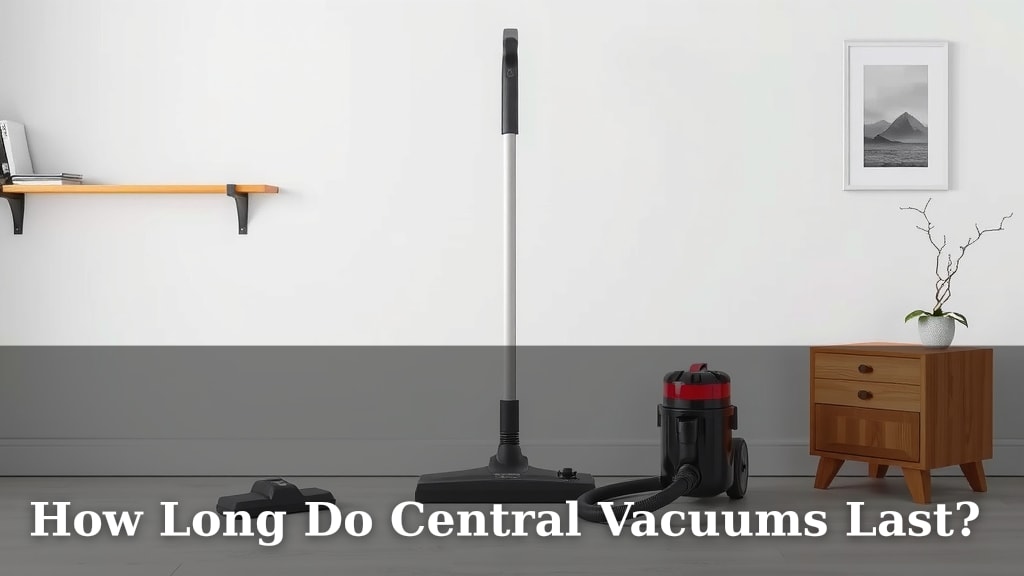
Central vacuums can last a very long time, often between 20 to 30 years or even longer with proper care. This impressive lifespan is one of their biggest advantages over portable vacuums. It means a central vacuum system is a long-term home investment.
You might be wondering why they last so much longer. It’s largely due to their robust construction and the fact that the main motor unit is stationary. Unlike portable vacuums that get banged around, central units are typically installed in a garage or basement. This means less wear and tear.
- Central vacuums can last 20-30+ years.
- Proper maintenance is key to longevity.
- The stationary nature reduces physical damage.
- They are a worthwhile long-term investment.
- Motor unit is protected from frequent moving.
Let’s dive into what makes these systems so durable and how you can ensure yours reaches its full potential lifespan.
Understanding Your Central Vacuum’s Lifespan
So, how long can you expect your trusty central vacuum to keep your home clean? You’re likely looking at a lifespan of 20 to 30 years, sometimes even more! This is a major reason people choose central systems over portable ones. It’s an investment that pays off for decades.
Think of it like buying a sturdy piece of furniture versus a cheap plastic one. The well-built item will last much longer. Your central vacuum’s motor unit stays put, usually in a garage or basement. This protected spot means it doesn’t suffer the bumps and drops that portable vacuums do. That alone saves a lot of wear and tear.
What Makes Central Vacuums So Durable?
Several factors contribute to the impressive longevity of central vacuum systems. It’s not just one thing; it’s a combination of smart design and quality components. Let’s break down the key reasons why these systems are built to last.
Robust Motor and Construction
The heart of any vacuum is its motor. Central vacuum motors are generally much larger and more powerful than those found in portable units. Because they don’t need to be small and light, manufacturers can use higher-quality, more durable parts. This means they’re built for sustained performance over many years. We found that these robust motors are designed for longer run times and less strain.
Stationary Installation Reduces Wear and Tear
As mentioned, the fact that the main unit is stationary is a huge advantage. Portable vacuums are constantly moved, bumped, and sometimes even dropped. This physical stress can lead to cracked housings, damaged internal components, and general wear. Your central vacuum’s power unit, however, sits in a protected location. It’s safe from accidental damage, which dramatically extends its operational life. Many experts agree that this protected environment is key to longevity (National Association of Home Builders).
Larger Canisters Mean Less Frequent Emptying
Central vacuums typically have much larger dirt collection canisters than portable vacuums. This means you don’t have to empty them as often. Less frequent handling of the collection unit can also mean less chance of accidental damage. It’s a small benefit, but it contributes to the overall durability of the system. You’re simply interacting with the main unit less.
Factors Influencing Your Central Vacuum’s Lifespan
While central vacuums are built to last, their actual lifespan can be influenced by a few things. You play a role in how well your system performs over the years. Are you doing everything you can to keep it running smoothly? Let’s look at what really makes a difference.
Regular Maintenance is Key
This is probably the single most important factor in ensuring your central vacuum reaches its full potential. Just like any machine, it needs a little attention now and then. Neglecting basic maintenance can lead to problems that shorten its life.
Cleaning the Filter
Most central vacuums have a filter that needs to be cleaned or replaced periodically. A clogged filter makes the motor work harder, leading to overheating and reduced suction. Check your manual, but typically this is a task you’ll do every few months. We found that keeping the filter clean is a simple step that significantly impacts motor health.
Emptying the Collection Canister
Even though the canisters are large, they do need to be emptied. Allowing them to get too full can strain the motor and potentially allow debris to enter the motor housing. Most manufacturers recommend emptying the canister when it’s about two-thirds full. It’s a quick job that prevents bigger issues.
Checking Hoses and Attachments
Occasionally, inspect your hoses and attachments for blockages or damage. A severe clog can cause back-pressure on the motor. Small tears in the hose can reduce airflow. It’s easy to do a quick visual check now and then to ensure everything is clear and intact.
Quality of Installation Matters
How your central vacuum system was installed from the start can affect its long-term performance. A poorly installed system, with improper pipe angling or weak connections, can lead to airflow issues. These can put extra strain on the motor. We found that professional installation by experienced technicians generally ensures the system is set up for optimal performance and longevity.
Frequency of Use
Naturally, a home that is used more frequently and requires more cleaning might put more hours on the central vacuum motor. However, even with heavy use, the robust nature of these motors means they can handle it. The key is still that the motor isn’t being physically stressed like a portable unit.
Signs Your Central Vacuum Might Need Attention
Even with the best care, parts can eventually wear out or signal that maintenance is needed. Paying attention to these signs can help you address issues before they become major problems.
- Reduced Suction Power: If you notice a significant drop in cleaning power, it could be a sign of a clogged filter, a full canister, a hose blockage, or even an issue with the motor itself.
- Unusual Noises: Any new grinding, rattling, or high-pitched whining sounds coming from the power unit could indicate a problem that needs immediate attention.
- Overheating: If the motor unit feels excessively hot to the touch, especially after a short period of use, it’s likely working too hard due to airflow obstruction or an internal issue.
- Strange Smells: A burning smell could point to motor issues, while a musty smell might indicate a problem with the canister or debris buildup.
Simple Maintenance Checklist for Longevity
To help you keep your central vacuum system running at its best for as long as possible, here’s a quick checklist:
- Monthly: Check the collection canister and empty it if it’s two-thirds full.
- Quarterly: Inspect the filter and clean or replace it as recommended by the manufacturer.
- Quarterly: Visually inspect hoses and attachment heads for any signs of wear or blockage.
- Annually: Check the wall inlets for any debris that might be obstructing the opening.
- As Needed: Address any sudden loss of suction or unusual noises immediately.
Conclusion
You’ve learned that your central vacuum is built for the long haul, often lasting 20 to 30 years or more! This impressive durability comes from its robust construction and stationary design, protecting it from the daily wear portable vacuums endure. While the system is designed for longevity, your role in regular maintenance is key to achieving its full potential. By keeping filters clean, canisters empty, and hoses clear, you ensure your central vacuum continues to perform powerfully for decades. Make a habit of these simple checks, and you’ll enjoy a cleaner home with minimal fuss for years to come.
Frequently Asked Questions
Can a central vacuum motor really last 30 years?
Yes, research and owner reports show that central vacuum motors can indeed last 20 to 30 years, and sometimes even longer. This longevity is thanks to their larger size, better construction quality, and the fact they are not moved around like portable vacuums.
What’s the most important maintenance task for central vacuum longevity?
The single most critical maintenance task is keeping the filter clean. A clogged filter forces the motor to work harder, leading to overheating and reduced efficiency, which can shorten its lifespan. Regularly cleaning or replacing the filter ensures optimal airflow and motor health.
Do I need to worry about the central vacuum hoses wearing out?
While hoses can eventually show wear, they are generally quite durable. Inspecting them periodically for cracks or blockages is good practice. If a hose does get damaged, it’s typically easier and less expensive to replace than the entire central vacuum unit.
Will using my central vacuum every day shorten its life?
Even with daily use, a central vacuum system is designed for durability. The motor is built for longer run times and is protected from physical impacts. As long as you perform regular maintenance, daily use should not significantly reduce its expected 20-30 year lifespan.
Are central vacuums expensive to repair if something does break?
Repairs can vary in cost, but often the main motor unit is very reliable. Most common issues, like a clogged hose or a full canister, are easily resolved by the homeowner. If a major component like the motor needs replacement after many years, it might be comparable to buying a new high-end portable vacuum, but remember your system has already provided decades of service.