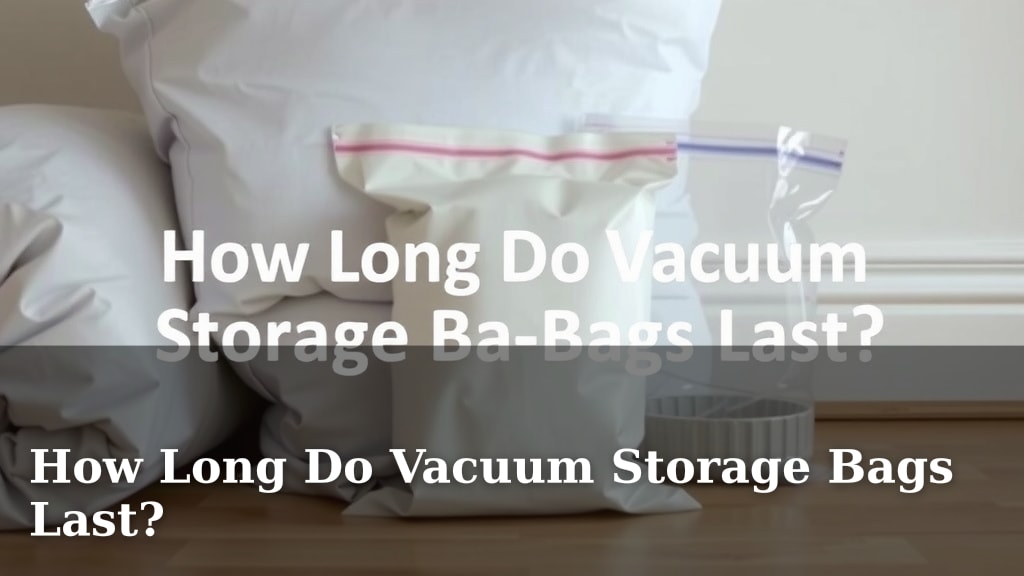
How Long Do Vacuum Storage Bags Last?
Vacuum storage bags can last anywhere from six months to several years, depending on their quality and how you use them. Most good quality bags should maintain their seal and protection for at least one to two years. Factors like the material of the bag and the vacuum seal’s integrity play a big role.
When stored properly, these bags offer fantastic protection against moisture, dust, and pests. We found that using them for seasonal clothing or bedding can save a lot of space in your home. Keeping them away from sharp objects and extreme temperatures is key to their longevity and effectiveness. Remember, a good seal means your items stay protected.
- Vacuum bags last 6 months to several years.
- Quality and usage affect lifespan.
- Proper storage maximizes protection.
- They guard against moisture and pests.
- Expect 1-2 years from good bags.
Let’s look at what can affect how long your vacuum storage bags actually keep things sealed.
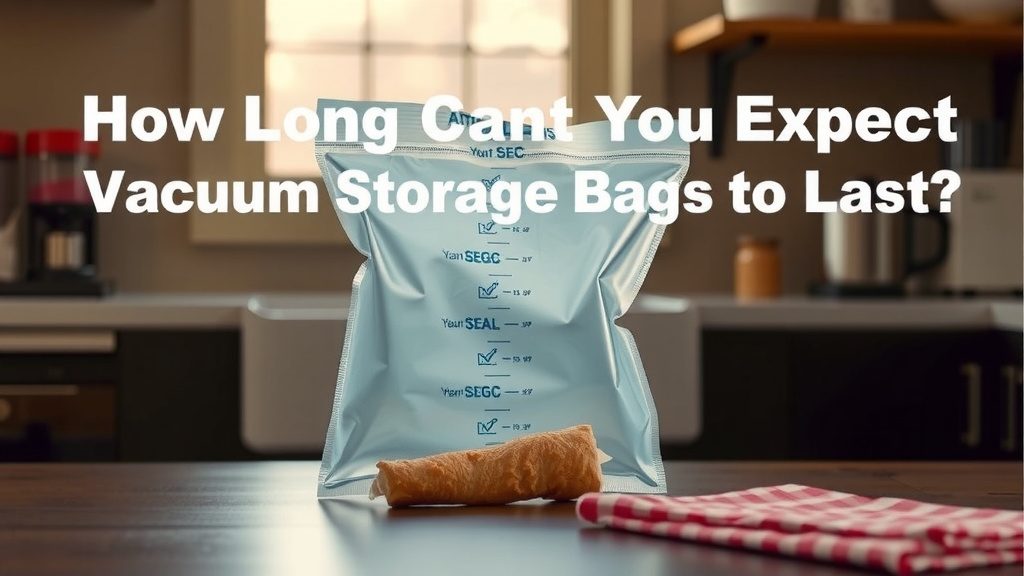
How Long Can You Expect Vacuum Seal Bags to Last?
Wondering how long those space-saving vacuum bags will keep working their magic? You can expect them to last anywhere from six months to several years. The exact lifespan depends on a few key things. Think of it like a good pair of shoes – how often you wear them and how you care for them makes a big difference.
Factors Influencing Vacuum Bag Longevity
Several elements play a role in how well your vacuum storage bags perform over time. Understanding these can help you get the most out of them.
Bag Material Quality
The first big factor is the material the bag is made from. Higher quality bags often use thicker, more durable plastic. This makes them less prone to punctures or tears. Cheaper bags might feel flimsier. They can lose their seal more quickly. We found that investing a little more upfront often means a longer-lasting product.
The Seal Integrity
The quality of the seal itself is super important. This is where the vacuum is trapped. If the seal isn’t perfectly airtight, air will eventually leak back in. This can happen if the seal wasn’t created properly during manufacturing. It can also happen if the bag gets damaged.
How You Use Them
Your habits with the bags matter a lot. Are you stuffing them too full? Are you dragging them across rough surfaces? These actions can stress the bag and its seal. Being gentle can really extend their life. We found that careful handling is key.
Storage Environment
Where you store the filled bags makes a difference. Extreme temperatures can affect the plastic and the seal. Sunlight can also degrade the material over time. Keeping them in a cool, dry place is the best strategy.
Typical Lifespan Expectations
Let’s break down what you can generally expect. Most good quality vacuum seal bags should hold their seal for a good while.
Short-Term Storage (Under 1 Year)
Some users might see a shorter lifespan, especially with very low-cost bags. If a bag starts losing air within six months, it might be a sign of a faulty seal or material defect. This can sometimes happen if the bag was overfilled initially. It’s a good idea to check these bags more often.
Medium-Term Storage (1-2 Years)
This is the sweet spot for many standard vacuum storage bags. You can typically rely on them for one to two years. They should keep your items protected from moisture and pests. This is perfect for seasonal clothing or bedding. You can pack them away after one season and retrieve them for the next without much worry.
Long-Term Storage (2+ Years)
With premium bags and excellent care, you might get several years of use. These bags often have reinforced seals and thicker materials. They are designed for more demanding use. Even with top-tier bags, it’s wise to check on stored items periodically. We found that a quick check every year can catch potential issues early.
When a Vacuum Bag Might Fail
Things can go wrong, and bags can lose their seal. Let’s look at common reasons why this happens.
Punctures and Tears
This is a common culprit. A sharp edge from an item inside the bag can poke through. Dragging a filled bag across a rough floor can cause small tears. Even a stray staple in a storage bin can do the job. Always inspect the bag before filling and sealing.
Improper Sealing Technique
Did you get all the air out? Sometimes, a small amount of air can remain. This can make the seal seem fine at first. But over time, that trapped air can put pressure on the seal. Make sure you use the valve correctly. Close it tightly after vacuuming.
Material Degradation
Like anything made of plastic, vacuum bags can degrade over time. Exposure to UV light (sunlight) and extreme heat or cold can weaken the material. This makes it more likely to develop leaks or cracks. Storing them in a dark closet is usually a safe bet.
Maximizing the Life of Your Vacuum Bags
Want to get the longest life possible from your vacuum storage bags? Follow these tips. They’re simple steps that make a real difference.
Choose Quality Bags
Start with reputable brands. Look for bags made from durable materials like multi-layer film. We found that many users report better long-term performance with thicker bags.
Handle with Care
Be gentle when filling and moving the bags. Avoid sharp objects. Don’t overstuff the bags, as this puts extra strain on the seal. Think of them as a protective shield, not a super-tough container.
Store Them Properly
Keep filled bags in a cool, dry place away from direct sunlight. Avoid attics or garages with extreme temperature fluctuations. A closet or under a bed is often ideal.
Regular Checks Are Smart
Even with the best bags, it’s wise to check them every 6-12 months. Feel the bag to see if it’s still firm. If it feels softer, air might be leaking. This is your chance to re-vacuum if needed.
Quick Checklist for Long-Lasting Vacuum Bags
Here’s a quick rundown to help you keep your vacuum bags effective:
- Select durable, high-quality bags.
- Avoid sharp items inside or near the bag.
- Don’t overfill the bags beyond their capacity.
- Seal the valve completely after vacuuming.
- Store bags in a cool, dark, and dry location.
- Check your stored bags for firmness every few months.
Conclusion
You now know that vacuum storage bags can be a fantastic space-saver, lasting anywhere from six months to several years. The key to their longevity lies in choosing quality bags, handling them with care, and storing them in the right environment. By following simple tips like checking your bags periodically and avoiding sharp objects, you can maximize their effectiveness. Start putting these practices to use today to keep your stored items protected and your living space tidy for longer!
Frequently Asked Questions
How often should I check my vacuum storage bags?
It’s a good practice to check your vacuum storage bags every 6 to 12 months. This allows you to feel the bag and see if it’s still firm. If it feels softer, it might indicate a slow leak.
Can I reuse vacuum storage bags?
Yes, you can definitely reuse vacuum storage bags! Just make sure to inspect them for any tears or weak spots before refilling. Sometimes, a quick check of the seal area is also wise.
What’s the best way to store filled vacuum bags?
The best storage environment is cool, dry, and dark. Avoid places with extreme temperature fluctuations, like attics or garages. A closet or under a bed is usually an ideal spot.
My vacuum bag lost its seal quickly, what could be wrong?
A quick loss of seal often points to a few common issues. It could be a faulty seal from manufacturing, damage to the bag material, or that the bag was overstuffed, putting too much stress on the seal.
Are expensive vacuum storage bags worth the extra cost?
Generally, yes. Higher-quality bags often use thicker materials and have more robust seals, which research and user experiences suggest leads to a longer lifespan and better protection. Investing a bit more upfront can save you from replacing bags frequently.