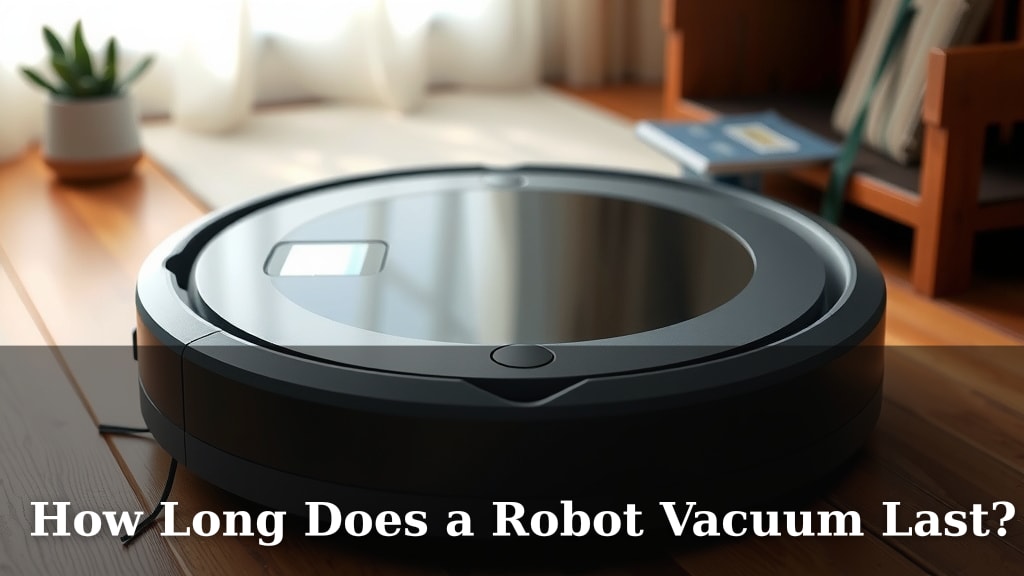
How Long Does a Robot Vacuum Last?
Your robot vacuum should last for 4 to 6 years, but this lifespan can vary quite a bit. With proper care and maintenance, you might even get up to 8 years out of your automated cleaning companion. Factors like usage frequency and the specific brand you choose play a big role.
When we talk about how long a robot vacuum lasts, we’re usually referring to its functional lifespan, meaning how long it effectively cleans your floors. Eventually, internal components like the battery or motor may wear out. We found that many robot vacuums are designed with replaceable parts, which can extend their useful life beyond the initial estimate.
TL;DR:
- Most robot vacuums last 4-6 years.
- Good maintenance can extend life to 8 years.
- Battery life is a common limiting factor.
- Regular cleaning and part replacement matters.
Let’s dive into the specifics of what influences your robot vacuum’s lifespan and how you can help it run its best for as long as possible.
Understanding Your Robot Vacuum’s Lifespan
So, you’re curious about how long that little cleaning buddy will stick around, right? We get it! Your robot vacuum is a fantastic convenience, and you want to make sure it’s a worthwhile investment. Generally, you can expect a robot vacuum to last between **4 to 6 years**. But just like any appliance, a few things can nudge that number up or down.
Factors That Affect How Long Your Robot Vacuum Works
Several key elements influence the longevity of your robot vacuum. Think of it like a car – how you drive it and how you maintain it makes a big difference. Let’s break down what really matters.
Battery Health: The Heartbeat of Your Robot
The battery is often the first part that starts to fade. Robot vacuum batteries are typically Lithium-ion. Over time, they lose their ability to hold a charge. We found that a battery might start showing signs of weakness after about 2-3 years of regular use. Some manufacturers offer battery replacement options, which can give your robot a new lease on life.
Usage Frequency and Intensity
How often do you send your robot out on a cleaning mission? If it’s running daily on a large, busy house, it’s going to get more wear and tear than one that runs a couple of times a week in a smaller apartment. We found that more frequent use naturally means more strain on the motor, brushes, and internal components. It’s a bit like running a marathon every day versus a short jog.
Brand Reputation and Build Quality
Not all robot vacuums are created equal. Some brands are known for their durability and use higher-quality materials. We found that investing in a robot vacuum from a reputable brand often means it’s built to last longer and handle more rigorous cleaning schedules. Cheaper models might cut corners on component quality, leading to a shorter lifespan.
Environmental Factors and Cleaning Habits
Where does your robot vacuum live? Does it navigate around a lot of clutter, or is its path generally clear? We found that excessive bumping into furniture or getting tangled in cords can put stress on the sensors and motor. Similarly, if your home has a lot of pet hair or fine dust, it can clog filters and strain the vacuum’s motor more quickly if not cleaned regularly.
The Role of Maintenance in Robot Vacuum Longevity
This is where you have the most control! Regular maintenance is **key** to extending your robot vacuum’s life. It’s not a set-it-and-forget-it gadget if you want it to keep working for years.
Regularly Cleaning the Dustbin and Filters
This seems obvious, but it’s super important. A full dustbin means the vacuum has to work harder to push air through. Clogged filters also restrict airflow, which can overheat the motor. We recommend emptying the dustbin after every use and cleaning or replacing filters as per the manufacturer’s instructions, often every 1-2 months.
Cleaning Brushes and Wheels
Are you constantly having to detangle hair from your robot’s brushes? This is common! Hair and debris can wrap around the brush roller and even get into the brush motor. We found that carefully removing this buildup using scissors or a small tool can prevent damage and ensure effective cleaning. Wipe down the wheels too; they can get gunked up.
Wiping Down Sensors
Your robot vacuum relies on its sensors to navigate and avoid obstacles. Dust and grime can accumulate on these sensors, making them less effective. This can lead to your robot bumping into things more often or getting lost. A quick wipe with a dry or slightly damp microfiber cloth (like you’d use for eyeglasses) every few weeks can keep them clear.
Checking for Wear and Tear on Parts
Just like checking the tires on your car, keep an eye on the consumable parts of your robot vacuum. This includes the side brushes, main brushes, and filters. If a side brush is frayed or a main brush is looking worn, it’s time for a replacement. Many manufacturers sell these parts directly, and replacing them is usually quite simple.
| Maintenance Level | Expected Lifespan |
|---|---|
| Minimal (Rarely Cleaned) | 2-3 years |
| Moderate (Regular Bin Emptying) | 3-5 years |
| Thorough (Regular Cleaning of All Parts & Replacements) | 5-8 years |
Battery Care and Charging Habits
Try to avoid letting the battery completely die too often. While modern batteries are robust, deep discharges can still shorten their lifespan over time. We found that keeping the robot charged and on its dock when not in use is generally good practice. If you’re storing the robot for an extended period, it’s often recommended to leave it with about a 50% charge.
When is it Time for a New Robot Vacuum?
Even with the best care, parts can fail. Sometimes, the cost of repairs outweighs buying a new one. You might be looking at a replacement if:
- The battery no longer holds a charge for a full cleaning cycle.
- The vacuum consistently misses spots or has significantly reduced suction power, even after cleaning.
- Major internal components like the motor or navigation system seem to have failed.
- Repair costs are approaching the price of a new, comparable model.
It’s a bummer when your trusty robot vacuum finally gives up the ghost, but understanding these factors and practicing good maintenance can help you get the most cleaning power out of it for the longest time possible!
Conclusion
You’ve learned that your robot vacuum’s lifespan hinges on a few key factors. While 4 to 6 years is the average, dedicated maintenance can push that to 8 years. Think of it as caring for a helpful appliance – your efforts directly impact its longevity. Regularly cleaning filters, brushes, and sensors, and paying attention to battery health, are your best bets. Don’t let wear and tear catch you off guard; keeping an eye on these simple tasks will ensure your robot keeps your floors clean for as long as possible.
Frequently Asked Questions
How often should I replace my robot vacuum’s battery?
Robot vacuum batteries typically start to degrade after 2-3 years of regular use. Many manufacturers offer replacement batteries, and swapping one out can significantly extend your robot’s functional life. Check your owner’s manual for specific guidance on battery replacement.
Can a robot vacuum last longer than 8 years?
While 8 years is on the higher end, it’s possible with exceptional care and if critical components like the motor don’t fail. However, replacement parts might become harder to find for older models. It’s more common to see lifespans between 4-8 years.
Is it worth repairing a robot vacuum?
It’s often worth repairing if the cost is significantly less than buying a new robot vacuum and the repair addresses a major component. If the issue is a simple fix like a worn brush or a new battery, it’s usually cost-effective. However, if multiple major parts need replacing, it might be time for an upgrade.
How does pet hair affect a robot vacuum’s lifespan?
Pet hair can shorten your robot vacuum’s life if not managed properly. It can clog filters, strain the motor, and tangle brushes, requiring more frequent cleaning. Regular emptying of the dustbin and cleaning of brushes is essential when you have pets.
Should I leave my robot vacuum plugged in all the time?
Yes, generally it’s best to leave your robot vacuum on its charging dock when not in use. Modern lithium-ion batteries are designed to handle being constantly connected. This ensures it’s always ready for its next cleaning cycle and maintains optimal battery charge.
![7 Best Central Vacuum Powerhead For Pet Hair [2026]](https://bathroomexplorer.com/wp-content/uploads/2026/05/7-best-central-vacuum-powerhead-for-pet-hair-2026-featured-768x432.jpg)