How Long Does Dust Stay in the Air After Vacuuming?
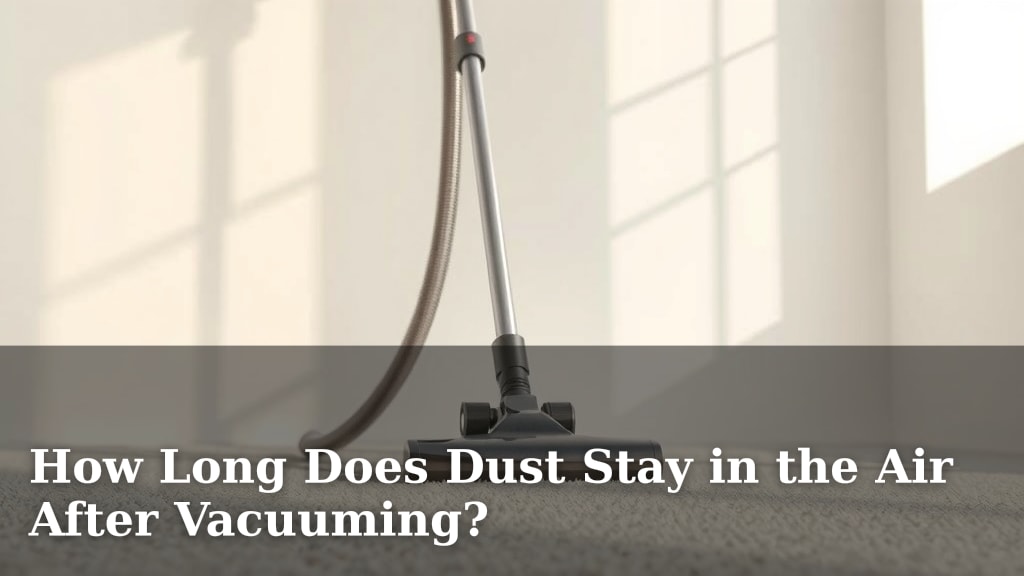
So, you’ve just finished vacuuming, and you’re wondering how long that dust will linger in the air. While it might seem like the dust is gone for good, some microscopic particles can stay suspended for up to an hour, or even longer if your vacuum isn’t up to par. We found that even a quick vacuum can stir things up!
This airborne dust isn’t just annoying; it can impact your home’s air quality. Things like pet dander, pollen, and even tiny bits of fabric can float around. Many experts say that even a good vacuuming session briefly increases the dust you might see dancing in sunbeams. We found that bagless vacuums can sometimes be worse offenders if not maintained.
- Dust particles can float in the air for about an hour after vacuuming.
- This depends heavily on your vacuum cleaner’s efficiency and filtration.
- Smaller particles can stay airborne longer than larger ones.
- Good filters trap more dust, reducing what gets back into the air.
- Frequent vacuuming helps manage, but doesn’t instantly eliminate, airborne dust.
Ready to learn more about what’s really happening after you clean? Let’s walk through exactly how long dust might stick around and what you can do about it.
How Long Does Dust Actually Linger in the Air?
You’ve probably seen it yourself: after vacuuming, a little bit of dust seems to dance in the sunlight for a while. It makes you wonder, did the vacuum actually help? We found that many vacuums, especially older or less efficient ones, can actually kick up more dust than they capture.
This happens because the vacuum’s motor and exhaust can release very fine particles. These microscopic bits are light enough to stay suspended in the air. They might seem harmless, but they can carry allergens and irritants. Many experts suggest that this brief increase in airborne dust is a normal part of the vacuuming process (American Lung Association).
Understanding What’s Stirred Up
When you vacuum, you’re not just picking up visible dust bunnies. You’re also disturbing microscopic particles settled on your floors and surfaces. Think of it like this: a gentle breeze can still make tiny seeds fly. Your vacuum, being much more powerful, can do the same with dust.
The Tiny Travelers: What’s in the Dust?
The dust that gets stirred up isn’t just plain dirt. It’s a mix of things. You’ll find things like:
- Pet dander: Tiny flakes of skin from your furry friends.
- Pollen: Even if your windows are closed, it can sneak in.
- Fabric fibers: From carpets, upholstery, and clothing.
- Mold spores: Especially in humid areas.
- Dust mites: And their waste products, which are common allergens.
These particles can range in size. The larger ones tend to settle faster. The really tiny ones, however, can stay airborne for much longer. Many scientific studies show that particle size is a key factor in how long they remain suspended.
The Role of Your Vacuum Cleaner
Your vacuum cleaner is the main culprit when it comes to stirring up dust. Not all vacuums are created equal, though. Some are much better at capturing dust and preventing it from escaping.
Bagged vs. Bagless: A Dust Duel
Bagged vacuums typically trap dust inside a sealed bag. This means less dust escapes back into the air. Bagless models use canisters, which can be harder to empty cleanly. We found that emptying a bagless canister can sometimes release a puff of dust. This is why frequent cleaning of the canister and filters is so important for bagless types.
The Power of Filtration: HEPA Filters
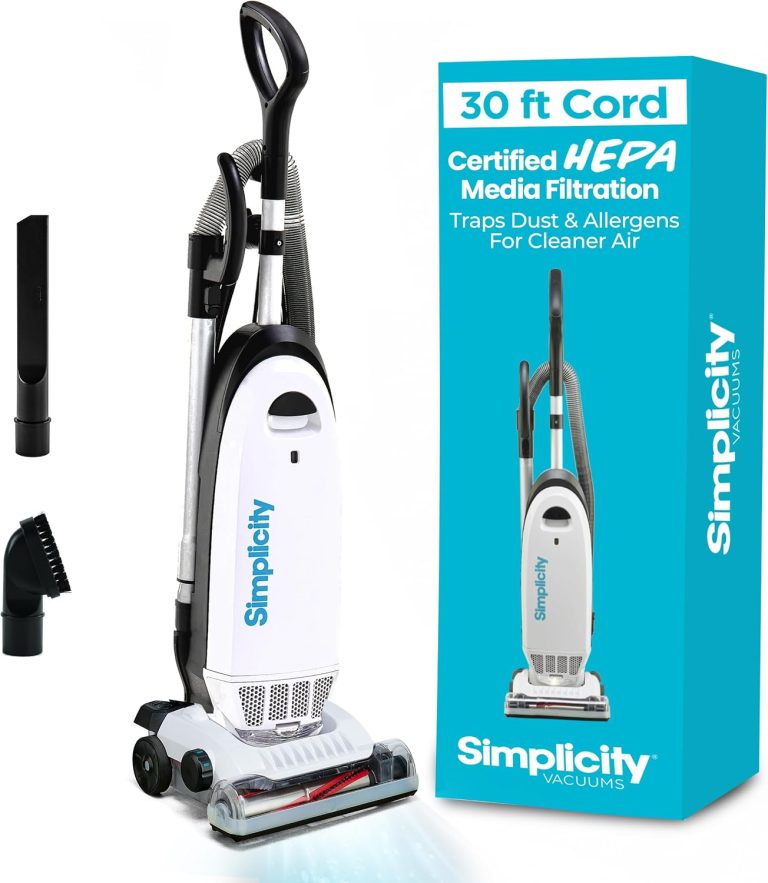
The type of filter your vacuum has makes a huge difference. A HEPA filter is designed to trap 99.97% of particles 0.3 microns in size. These are the super tiny particles that linger the longest. Many air quality experts recommend vacuums with HEPA filtration for homes with allergies or asthma (Environmental Protection Agency).
| Particle Size (microns) | Approximate Settling Time (in still air) | What it might be |
|---|---|---|
| 100+ | Seconds to minutes | Visible dust, hair, large fibers |
| 10-100 | Minutes to an hour | Smaller fibers, pet dander, pollen |
| 0.5-10 | Several hours to days | Mold spores, bacteria, fine dust |
| < 0.5 | Days to weeks (or indefinitely without air movement) | Smoke particles, viruses, ultra-fine dust |
This table shows why even after vacuuming, some things can still be floating around. The really small stuff is quite persistent. We found that even with a good vacuum, it takes time for the air to clear completely.
How Long Does That Dust Actually Stay Up There?
So, to get to the heart of it, how long does dust really stay in the air after you vacuum? Based on research, very fine particles can remain suspended for up to an hour, and sometimes even longer.
The Influence of Airflow and Ventilation
The general estimates are for still air. In a real home, there’s always some airflow. Ceiling fans, open windows, or even just walking around can keep particles airborne longer. Conversely, good ventilation can help speed up the settling process.
We found that opening windows after vacuuming can help clear the air faster. It introduces fresh air and helps push out the disturbed dust. This is a simple trick many people use to improve air quality post-cleaning.
Factors That Affect Dust Lingering Time
Several things can influence how long dust stays airborne:
- Vacuum cleaner efficiency: As we discussed, better filters and stronger suction capture more.
- Humidity levels: High humidity can cause dust particles to clump together, making them heavier and fall faster. Low humidity can keep them lighter and airborne longer.
- Amount of dust initially present: If your home is very dusty, there’s simply more to be stirred up.
- Activity level in the home: People walking around, pets playing, or even doors opening and closing will keep dust moving.
Many guidelines suggest that a good vacuuming session, especially with a HEPA filter, significantly reduces the amount of dust that gets recirculated. However, a brief increase is still to be expected.
What You Can Do About Airborne Dust
While you can’t eliminate airborne dust instantly, you can manage it effectively. Think of it as a multi-pronged approach. You want to capture dust efficiently and then help clear the air.
Check Your Vacuum’s Performance
Make sure your vacuum cleaner is in good working order. Empty the dustbin or bag regularly. Clean or replace filters as recommended by the manufacturer. We found that a clogged filter can severely reduce your vacuum’s effectiveness.
Improve Your Home’s Air Quality
Consider using air purifiers with HEPA filters in frequently used rooms. These devices actively capture airborne particles. Many air quality professionals recommend this as a good way to supplement your cleaning routine.
Smart Cleaning Habits
Try to vacuum more frequently, especially in high-traffic areas. This prevents dust from building up too much. Consider dusting with a damp cloth rather than a dry one, as this traps dust instead of scattering it.
A Quick Dust-Busting Checklist
Here are a few things you can do:
- Use a vacuum with a HEPA filter.
- Empty the dustbin or bag after each use.
- Clean or replace vacuum filters regularly.
- Consider an air purifier for main living areas.
- Dust surfaces with a damp cloth.
- Open windows to ventilate after cleaning when possible.
By taking these steps, you can significantly reduce the amount of dust that lingers in your air. It’s all about working smarter, not just harder, when it comes to keeping your home clean and healthy.
Conclusion
You’ve learned that dust can indeed linger in the air for up to an hour, or even longer, after vacuuming. This is especially true for the tiniest particles that your vacuum might stir up. The type of vacuum you use and its filtration system play a huge role in how quickly your air clears.
Don’t worry, though! By understanding these factors, you can take control. Regularly maintain your vacuum, consider air purifiers, and adopt smart cleaning habits. These simple steps will help you significantly reduce airborne dust and breathe easier in your home.
Frequently Asked Questions
Will vacuuming make my allergies worse?
Vacuuming can temporarily stir up allergens like pet dander and dust mites. This might worsen allergy symptoms for a short time. Using a vacuum with a HEPA filter can significantly reduce the amount of allergens released back into the air, helping to manage this issue.
How often should I vacuum to keep dust down?
For most homes, vacuuming one to two times per week is recommended to manage dust effectively. If you have pets or allergies, you might want to vacuum high-traffic areas more frequently. This helps prevent dust from accumulating and becoming airborne.
Are bagless vacuums bad for air quality?
Bagless vacuums can release dust when their canisters are emptied if not done carefully. To minimize this, always empty the canister outdoors or near an open window. Regularly cleaning the canister and its filters is also key to preventing dust re-circulation.
Do air purifiers actually help with vacuum dust?
Yes, air purifiers with HEPA filters are excellent at capturing fine dust particles that may remain airborne after vacuuming. They actively clean the air, providing an extra layer of protection against dust and allergens, especially in rooms where you spend a lot of time.
Should I leave windows open while vacuuming?
Opening windows while vacuuming can help to ventilate your home and clear the air faster. It introduces fresh air and helps push out disturbed dust particles. Just be mindful of outdoor air quality, as opening windows could also let in pollen or pollutants.