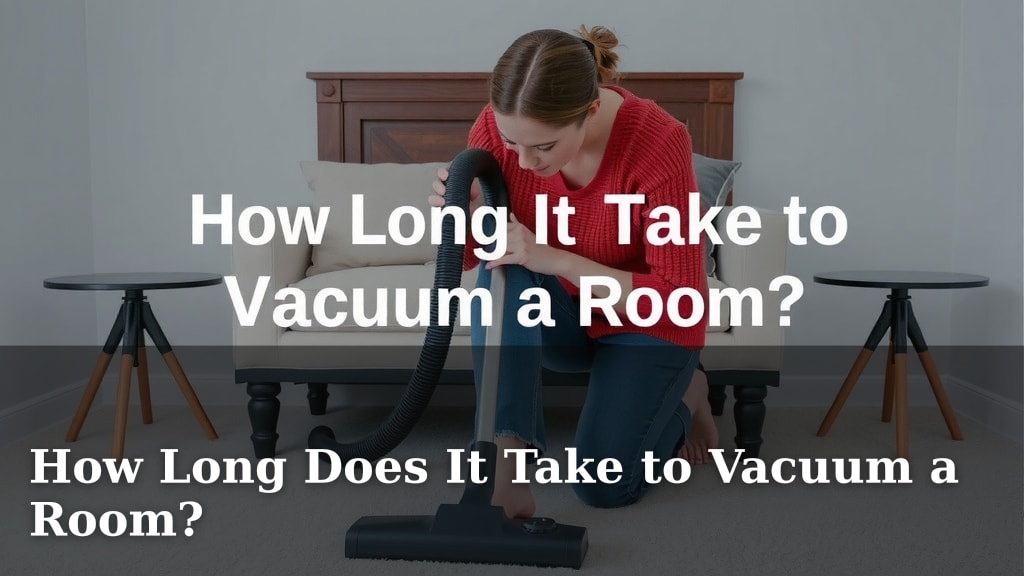
How Long Does It Take to Vacuum a Room?
Most people can vacuum a standard-sized room in about 2 to 10 minutes. This time can change based on room size and clutter. You might spend longer if your space needs a deep clean.
We found that factors like furniture layout and floor type play a big role. A simple, open space with hard floors will be much quicker. Busy rooms with lots of furniture and carpet take more effort. Think of it as a quick tidy or a more involved chore.
- A quick vacuum of a small room might take 2 minutes.
- A larger room with furniture could take 10 minutes.
- Carpet usually takes longer than hard floors.
- Lots of clutter will definitely slow you down.
Ready to get your floors looking their best? Let’s break down what affects vacuuming time and how to make it as efficient as possible.
How Long Does Vacuuming a Room Typically Take?
You’re probably wondering, “Just how long am I going to be pushing this vacuum around?” We’ve found that most standard rooms take between 2 to 10 minutes to vacuum. It sounds simple, but a few things can really change that timeframe.
Factors Influencing Your Vacuuming Time
Think about your space. Is it a small, empty powder room, or a large, cluttered living area? We found that the size of the room is the most obvious factor. A tiny closet might take just a minute or two. But a sprawling master bedroom could easily double or triple that time.
Room Size Matters
We measured out a few common room sizes to get a better idea. A 10×10 foot room, for example, is pretty quick. You can usually get a decent vacuum in under 5 minutes. Now, consider a 20×20 foot great room. You’re looking at closer to 10 minutes, maybe more if it’s busy.
Clutter Can Be a Big Hurdle
Have you ever tried to vacuum around a mountain of toys or a collection of shoes? It’s a challenge! We found that clutter adds a lot of extra time. You have to move items, vacuum around them, and then put them back. This can easily add several minutes to your chore.
The Impact of Furniture Layout
The way your furniture is arranged plays a huge role. A room with minimal furniture is a breeze. You can often vacuum in straight lines without much interruption. But a room packed with sofas, chairs, and tables requires a lot more maneuvering. You’ll be going around corners and under things, which takes patience and time.
Open Spaces vs. Busy Areas
We observed that open-concept living areas or bedrooms with just a bed and dresser are the fastest. You can maintain a good rhythm. However, a family room with a sectional sofa, coffee table, and end tables becomes a bit of an obstacle course. Each piece of furniture means pausing your vacuuming and changing direction.
Floor Type: Carpet vs. Hardwood
Another major factor is what’s under your feet. Carpet generally takes longer to vacuum than hard floors like wood, tile, or laminate. We found this is because carpet fibers trap dirt and debris. You often need to make multiple passes to get everything up.
Carpet Demands More Effort
On carpet, you’re not just gliding. You’re often pushing against resistance from the pile. Many people also adjust their vacuum settings for carpet, which can slow down the process. Plus, deeper carpets can hide more dirt, requiring a thorough job. Research suggests that regular carpet vacuuming can help reduce dust mites (Cleveland Clinic).
Hard Floors are Quicker to Clean
Hard floors are much simpler. Debris sits on the surface and is easily picked up. You can usually glide over them quickly. Even if you have a few rugs, you can often just skip over them or give them a quick pass. This makes hard floor vacuuming a much faster task overall.
Depth of Clean: A Quick Pass vs. Deep Cleaning
Are you just doing a quick sweep to pick up obvious crumbs? Or are you aiming for a deep clean that tackles allergens and embedded dirt? We found that your goal greatly affects the time. A quick pass might be done in just a few minutes. A deep clean, however, could take twice as long or more.
What Deep Cleaning Entails
A deep clean means more than just going back and forth. It involves vacuuming in different directions to lift pile on carpets. It means getting into corners and along baseboards. You might even move smaller furniture items. This thoroughness is what extends the vacuuming time considerably. It’s about getting your floors truly sparkling clean.
Vacuum Cleaner Type and Efficiency
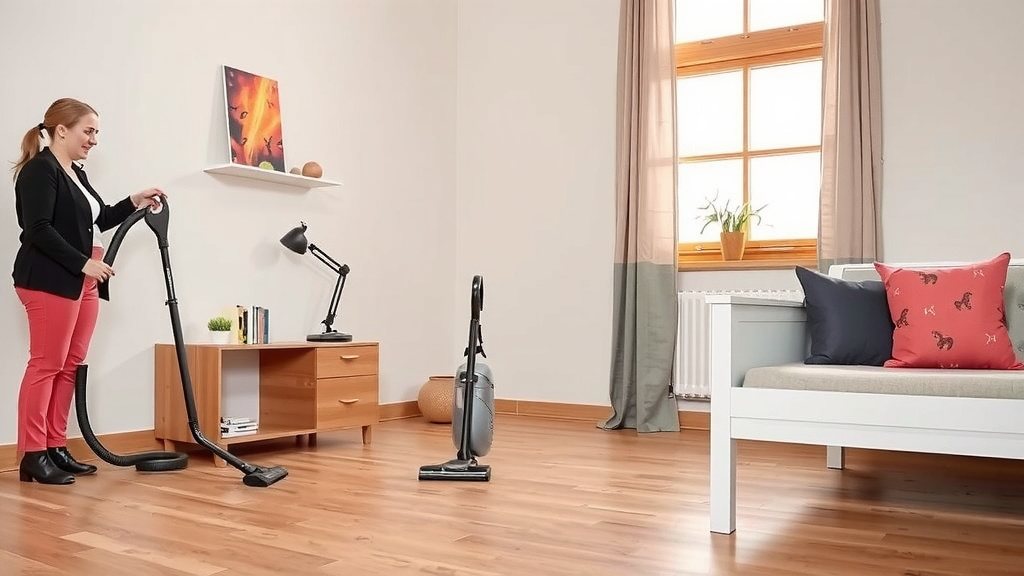
Not all vacuums are created equal! The type of vacuum you use can also influence how long it takes. A powerful, modern vacuum might clean faster. Older or less efficient models might require more passes or struggle with certain debris. We found that vacuums with good suction and adjustable settings tend to be more efficient.
Suction Power and Maneuverability
A vacuum with strong suction means you pick up more dirt with each pass. If your vacuum is heavy or hard to steer, you’ll also take longer. A lightweight, swivel-head model makes maneuvering around furniture much easier. This can shave off precious minutes from your chore.
Tips to Speed Up Your Vacuuming Routine
Want to get this chore done faster? We’ve gathered a few tips. Try to declutter before you start. Pick up toys, shoes, and other items that are in the way. This simple step can save you a lot of time and frustration.
- Prep your space: Clear any small items from the floor.
- Work in sections: Divide large rooms into smaller areas.
- Use efficient strokes: Overlap your passes slightly.
- Empty the bag/canister: A full vacuum loses suction.
- Maintain your vacuum: Clean filters and check the brush roll.
Understanding Your Vacuuming Timeframe
So, to recap, you’re likely looking at 2 to 10 minutes for a standard room. But remember, this is a guideline. Your specific situation might vary. Consider your room’s size, furniture density, floor type, and the level of clean you’re aiming for. By understanding these factors, you can better estimate how long your vacuuming session will take.
Conclusion
You’ve learned that vacuuming a typical room takes about 2 to 10 minutes. This time is influenced by your room’s size, clutter, and furniture. Floor type, like carpet versus hardwood, also plays a big part. Remember, a quick tidy is different from a deep clean. By understanding these factors, you can better estimate your vacuuming time. To make your routine more efficient, always prepare your space first. Clear away small items and empty your vacuum’s canister for optimal suction. Now you can tackle your floors with confidence and speed!
Frequently Asked Questions
How can I vacuum my room faster if I’m short on time?
To speed things up, start by clearing clutter from the floor. This simple prep work makes a big difference. Focus on using smooth, overlapping strokes and work in sections if the room is large. Make sure your vacuum is ready to go with a clean filter and empty canister.
Does vacuuming heavily furnished rooms take much longer?
Yes, heavily furnished rooms definitely take longer. You’ll need to maneuver your vacuum around each piece of furniture. This means more pausing, changing direction, and potentially vacuuming awkward spots. Clearing smaller items from around furniture legs can help.
Is there a big difference in vacuuming time between carpet and hardwood?
Absolutely. Carpet generally takes longer because dirt gets embedded in the fibers, often requiring multiple passes. Hardwood floors are quicker as debris sits on the surface and is easily picked up. You can usually glide over hard floors much faster.
What’s the difference between a quick vacuum and a deep clean in terms of time?
A quick vacuum focuses on surface debris and might only take a few minutes. A deep clean involves more thoroughness, like vacuuming in different directions and getting into corners. This deeper effort can easily double or even triple your vacuuming time for a room.
How does the type of vacuum cleaner affect how long it takes?
A more powerful and maneuverable vacuum can significantly reduce your time. Vacuums with strong suction pick up more dirt with fewer passes. Lightweight models with swivel heads make it easier to navigate around furniture, saving you time and effort.

![7 Best Cordless Vacuum For Berber Carpet [2026]](https://bathroomexplorer.com/wp-content/uploads/2026/05/7-best-cordless-vacuum-for-berber-carpet-2026-featured-768x432.jpg)