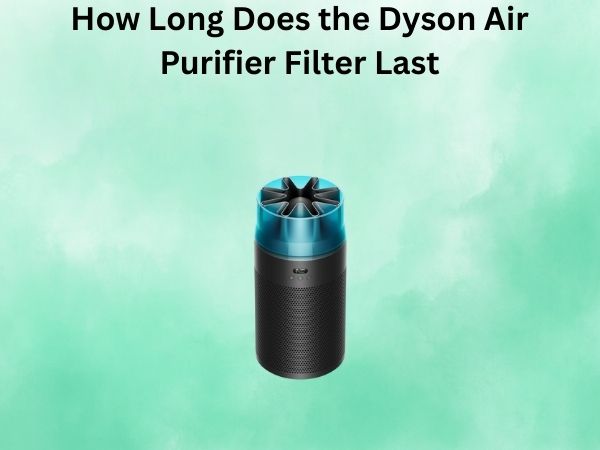
How Long Does the Dyson Air Purifier Filter Last? A Complete Guide to Filter Lifespan and Maintenance
If you’ve recently invested in a Dyson air purifier or are considering one, you’re probably curious about the filter’s lifespan. After all, nobody wants to discover their premium device requires frequent, expensive filter changes. Let’s dive into everything you need to know: how long Dyson air purifier filters truly last, what factors influence their longevity, and how to make them go the distance.
Understanding Dyson Air Purifier Filters
Before we dive into the specifics of filter lifespan, it’s important to understand what you’re dealing with. Dyson air purifiers aren’t your typical machines. They’re engineered with multiple filtration stages that work together to trap different types of particles and pollutants. Think of it like a security checkpoint where different layers catch different threats—the filter system in your Dyson works in a similar fashion.
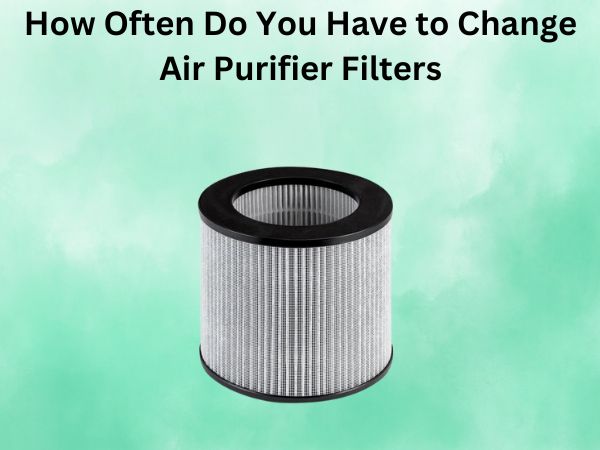
The filters in Dyson air purifiers typically include activated carbon layers and HEPA filters. These components work in tandem to capture everything from dust and pet hair to volatile organic compounds and odors. But here’s the thing: understanding how these filters work is crucial to understanding how long they’ll last.
The Standard Dyson Filter Lifespan
So, how long does a Dyson air purifier filter actually last? The straightforward answer is typically between one to two years, depending on several factors. However, this isn’t a one-size-fits-all answer, and I want to make sure you understand the nuances.
Manufacturer Recommendations
Dyson generally recommends replacing your filter approximately once per year if you’re using the air purifier in a typical household setting. This is their baseline recommendation, and it assumes moderate usage and average air quality conditions. If you live in an area with particularly poor air quality or if you use your purifier continuously, you might need to replace the filter sooner.
Real-World Filter Duration
Here’s where things get interesting. Many users report that their Dyson filters last longer than the manufacturer’s recommendation—sometimes stretching to eighteen months or even two years. On the flip side, some people find that their filters need replacement within six to nine months. What’s the difference? Usage patterns and environmental conditions play enormous roles.
Factors That Affect Your Dyson Filter Lifespan
Think of your air purifier filter like the oil filter in your car. You wouldn’t expect it to last the same amount of time whether you drive in dusty desert conditions or pristine suburban streets, right? The same principle applies to your Dyson filter. Several variables influence how quickly your filter gets saturated and stops working effectively.
Air Quality in Your Home
The quality of air in your home is perhaps the most significant factor determining filter lifespan. If you live in an area prone to wildfires, dust storms, or significant air pollution, your filter will work harder and wear out faster. Similarly, if you live in an urban environment with heavy traffic pollution, you’ll likely replace your filter more frequently than someone in a rural area.
Indoor air quality matters too. Do you have pets? They shed hair and dander constantly, which your filter captures. Do you live in a dry climate where dust accumulates quickly? That affects your filter’s lifespan significantly.
Usage Frequency and Duration
How often you run your air purifier directly impacts filter longevity. If you run it constantly on the highest setting, you’re obviously putting more wear on the filter than if you use it occasionally on a lower setting. Some people run their purifiers 24/7, while others only turn theirs on when needed. These different usage patterns will result in vastly different filter lifespans.
Home Size and Purifier Capacity
The relationship between your room size and your purifier’s capacity matters more than you might think. If you’re using a purifier designed for a small bedroom in a large living room, it has to work much harder to maintain clean air. This increased workload accelerates filter saturation.
Presence of Pets and Smoking
I cannot stress this enough: if you have pets or smokers in your home, your filter is going to have a harder time. Pet hair, dander, and smoke particles accumulate rapidly. Many people with pets find they need to replace their Dyson filters every six to nine months rather than the standard twelve-month recommendation.
Humidity Levels
Interestingly, humidity can affect filter lifespan. High humidity can promote the accumulation of certain particles and can affect how efficiently your filter operates. If you live in a particularly humid climate, you might notice your filter needs replacement sooner.
How to Monitor Your Dyson Filter Status
One of the advantages of modern Dyson air purifiers is that many models include filter status indicators. These little alerts are your friends—they tell you when your filter is reaching the end of its life. But you shouldn’t rely on these alone.
Built-In Filter Indicators
Most newer Dyson models come with automatic filter monitoring systems. The air purifier tracks filter usage and alerts you when replacement is needed. Some models display this information on an app, while others have LED indicators on the machine itself. This technology takes much of the guesswork out of maintenance.
Visual Inspection
You can also perform visual inspections of your filter. Open up the purifier and look at the filter itself. If it appears significantly darkened or clogged with visible dust and particles, it’s probably time for a replacement. A clean filter should appear relatively white or light-colored, depending on the model.
Performance Indicators
Pay attention to how your air purifier performs. If you notice that air flow seems reduced or the machine isn’t capturing odors as effectively as it once did, your filter might be nearing the end of its life. Sometimes your senses will tell you before any indicator light comes on.
Different Dyson Models and Their Filter Lifespans
Not all Dyson air purifiers are created equal, and neither are their filters. Different models have different filter compositions and capacities, which means they may have slightly different lifespans.
Dyson Pure Hot+Cool and Pure Cool Models
These popular models typically feature combined HEPA and activated carbon filters. Users generally report that these filters last approximately twelve months under normal usage conditions. However, the exact lifespan can vary based on the environmental factors we discussed earlier.
Dyson Pure Cryptomic
The Cryptomic line includes a special photocatalytic filter that targets formaldehyde specifically. These models tend to have similar lifespans to other Dyson purifiers, usually around twelve to eighteen months, though the specialized nature of the technology might mean slightly different replacement schedules.
Dyson Pure Humidify+Cool
If you have a purifier that combines air purification with humidification, the filter lifespan might be slightly different. The dual functionality can affect how quickly the filter accumulates particles, though most users still see similar replacement timelines to standard Dyson purifiers.
Tips to Extend Your Filter’s Lifespan
Want to get more mileage out of your Dyson filter? There are several strategies you can employ to extend its working life.
Maintain Optimal Usage Settings
You don’t always need to run your purifier on the highest setting. During periods when air quality is good, using a lower setting can reduce stress on the filter and extend its lifespan. This is like driving your car at reasonable speeds rather than constantly pushing the pedal to the metal—you’ll go further before needing maintenance.
Manage Indoor Pollution Sources
Do what you can to reduce the amount of pollution your purifier needs to handle. This might mean:
- Vacuuming regularly to reduce dust and pet hair
- Keeping windows closed during high-pollution days
- Using cooking vents when preparing meals
- Maintaining good ventilation to prevent stagnant air
- Reducing smoking or keeping smoking outside
Strategic Placement
Where you place your air purifier matters. Position it in a location where it can efficiently pull air through its system without obstacles. Avoid placing it in corners where air circulation is poor, or against walls that restrict airflow. Better airflow means the filter doesn’t have to work as hard.
Regular Maintenance
While you can’t clean the HEPA filter itself (doing so can damage it), you can maintain your purifier properly. Keep the exterior clean, ensure vents aren’t blocked, and follow the manufacturer’s maintenance guidelines. A well-maintained machine operates more efficiently.
The Cost of Replacement Filters
Let’s talk about the elephant in the room: cost. Dyson filters aren’t cheap. Replacement filters typically range from seventy to one hundred fifty dollars depending on the model. This is an important ongoing expense to consider when deciding whether a Dyson purifier fits your budget.
However, when you factor in the annual cost and compare it to other premium air purifier brands, Dyson’s filters are actually competitive. If your filter lasts a full year and costs around one hundred dollars, that’s less than thirty cents per day for clean air.
Signs Your Filter Needs Replacement Now
Don’t wait for the manufacturer’s recommended timeline if any of these signs appear:
- Noticeably reduced airflow or weaker performance
- Visible accumulation of dust and particles on the filter
- Persistent odors that the purifier isn’t eliminating
- Alert notifications from the machine or app
- Unusual noises or the machine working harder than normal
- Visible discoloration or darkening of the filter material
Conclusion
So, how long does the Dyson air purifier filter last? The honest answer is that it typically lasts between one to two years, with most users needing replacement around the twelve-month mark. However, this timeline isn’t set in stone. Your specific circumstances—the air quality in your area, whether you have pets, how often you use the machine, and your home’s humidity levels—will all influence exactly when your filter needs replacing.
The key to getting the most from your Dyson filter is monitoring its performance, understanding what affects its lifespan, and making strategic decisions about usage. By staying vigilant and proactive, you can ensure that your investment in a Dyson air purifier continues paying dividends in terms of clean, healthy air for years to come. Remember, replacing a filter a bit early is always better than running a clogged, ineffective filter that’s no longer doing its job properly.
Frequently Asked Questions
Can I clean my Dyson air purifier filter to extend its life?
No, you should not wash or clean the HEPA filter itself, as this can damage the delicate fibers and compromise its filtration ability. However, you can gently vacuum the exterior of the filter if visible dust has accumulated on the outside. Always refer to your specific model’s manual before attempting any cleaning, and never use water on the main filtration elements.
Why are Dyson filters so expensive compared to other brands?
Dyson filters are premium products engineered with multiple filtration stages, advanced activated carbon, and proprietary technology that captures a broader range of pollutants than many competitor brands. You’re paying for superior performance and the extensive research that goes into each filter design. Additionally, Dyson’s quality control and manufacturing standards contribute to the higher price point.
Does running my air purifier continuously reduce filter lifespan significantly?
Yes, continuous operation does accelerate filter saturation compared to intermittent use. However, if you live in an area with poor air quality or have significant pollution sources in your home, the health benefits of continuous operation typically outweigh the cost of slightly more frequent filter replacement. It’s a trade-off between air quality and maintenance costs.
Is there a way to know exactly when my filter will need replacement?
Modern Dyson air purifiers with smart features can provide fairly accurate replacement predictions through their apps and built-in indicators, but these estimates are based on average usage patterns. Your actual replacement timeline will depend on your specific environmental conditions. Tracking when you replaced your last filter and noting any performance changes can help you anticipate future replacements.
Can I use third-party replacement filters in my Dyson purifier?
While third-party filters might be cheaper initially, Dyson strongly recommends using genuine Dyson filters. Third-party alternatives may not fit properly, could damage your machine, or might not provide the same level of filtration performance. Additionally, using non-genuine filters could void your warranty. The savings on filter cost might not be worth the risk.
“`