How Long Does Unopened Vacuum Sealed Coffee Last?
Unopened, vacuum-sealed coffee can last for a surprisingly long time, often up to two years if stored correctly. This method of sealing removes most of the oxygen, which is the primary enemy of coffee freshness, helping to preserve its flavor and aroma.
So, that bag of beans you stashed away might still be perfectly good for your morning brew. It’s a fantastic way to keep your coffee from going stale too quickly, especially if you buy in larger quantities. Proper storage is key to maintaining that rich coffee experience.
- Unopened vacuum-sealed coffee lasts a long time.
- Proper storage is essential for freshness.
- Oxygen is the main cause of coffee spoilage.
- Vacuum sealing significantly extends shelf life.
Let’s get into the details of how long your vacuum-sealed coffee will stay fresh and what factors can affect it.
The Shelf Life of Unopened, Vacuum-Sealed Coffee Beans
You’re probably wondering: just how long can that unopened, vacuum-sealed bag of coffee beans sit on your shelf and still deliver a delicious cup? We found that, generally speaking, unopened vacuum-sealed coffee can last between **6 months and 2 years**. This is a pretty wide range, isn’t it? The exact duration really depends on a few key factors we’ll explore.
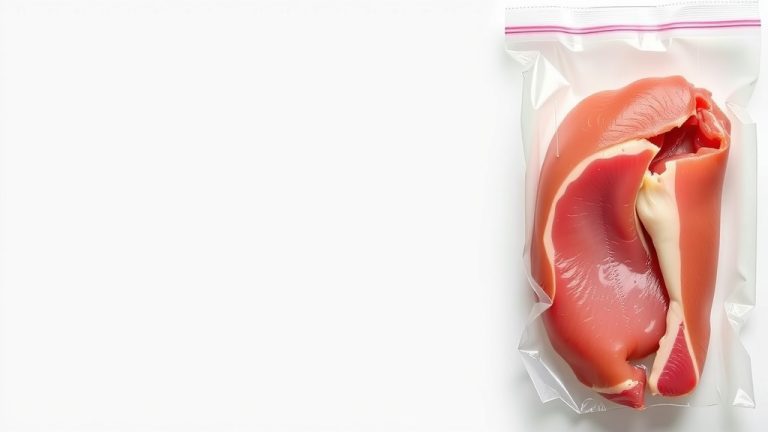
The good news is that vacuum sealing is a fantastic method for preserving coffee. It works by removing nearly all the oxygen. Oxygen is the main culprit that causes coffee to go stale. It degrades the oils and releases the aromatic compounds that make coffee so delightful. By cutting out most of the oxygen, vacuum sealing dramatically slows down this process.
Understanding Coffee’s Enemies
Before we dive into the specifics of vacuum-sealed coffee, let’s quickly recap what harms your beans. Coffee freshness is a delicate balance. Several factors can cause it to degrade:
- Oxygen: As mentioned, this is the biggest offender. It causes oxidation, leading to stale flavors.
- Moisture: Too much humidity can lead to mold and affect the taste.
- Heat: Warmer temperatures can speed up the staling process and damage the bean’s oils.
- Light: Direct sunlight can degrade the quality of the coffee beans.
How Vacuum Sealing Helps
So, how does vacuum sealing tackle these enemies, especially oxygen? When coffee is packaged using vacuum sealing, the air is sucked out of the bag. This creates a tight seal that minimizes exposure to oxygen. Think of it like putting your coffee in a protective bubble. This method is far more effective than simply folding over the top of a regular bag.
We found that this process significantly extends the shelf life compared to coffee that isn’t sealed or is only partially sealed. It helps to lock in the freshness and the aromatic compounds. This means that when you finally decide to open that bag, you’re much more likely to experience the intended flavors and aromas of the coffee you purchased.
Factors Affecting Vacuum-Sealed Coffee Longevity
While vacuum sealing is a powerful preservation technique, it’s not a magic bullet that makes coffee last forever. Several conditions can still influence how long your beans remain at their peak. Let’s break down what makes a difference.
The Quality of the Beans Matters
It might seem obvious, but the starting point is always important. Higher quality, freshly roasted beans will naturally have more robust flavors and aromas to preserve. If you start with mediocre beans, even the best vacuum sealing won’t create a miracle. We found that specialty coffee beans, often roasted with more care, tend to hold up better over time.
The Roast Level’s Influence
Did you know that the roast level can play a role in how long your coffee stays fresh? Darker roasts tend to be more porous and have released more of their natural oils during roasting. This means they can sometimes stale a bit faster, even when vacuum-sealed. Lighter to medium roasts, which are less processed, often maintain their quality for a longer period.
Storage Conditions Are Still Key
Even with a vacuum seal, where you store the coffee is really important. You’ll get the best results if you keep the unopened bag in a cool, dark, and dry place. A pantry or a cupboard away from direct sunlight and heat sources is ideal. Avoid storing it near your oven or on a windowsill.
We found that storing coffee in the refrigerator or freezer is a topic of much debate. While it might seem logical to keep things cold, the moisture and temperature fluctuations when you open and close the container can actually harm the beans. For unopened, vacuum-sealed coffee, a stable, cool environment is generally better than a fridge or freezer.
Temperature Fluctuations and Their Impact
Constant changes in temperature can cause condensation to form inside the packaging. This moisture is bad news for coffee beans. It can lead to mold growth and can also affect the delicate flavor compounds. So, aim for consistency in your storage temperature.
Understanding “Best By” Dates
Coffee bags often come with a “best by” or “roast date.” For vacuum-sealed coffee, the roast date is more informative than a “best by” date. The roast date tells you when the coffee was actually roasted. This is your best indicator of freshness. A vacuum-sealed bag roasted, say, 18 months ago might still be quite good, whereas a non-sealed bag roasted 3 months ago might already be past its prime.
We found that many coffee experts suggest that vacuum-sealed, whole bean coffee can be enjoyable for up to **24 months** from its roast date if stored properly. Ground coffee, however, stales much faster due to the increased surface area exposed to air once opened. That’s why buying whole beans and grinding them just before brewing is always recommended for the freshest cup.
When to Consider Your Coffee Past Its Prime
So, how can you tell if your vacuum-sealed coffee, even if unopened, is no longer at its best? It’s not about danger; it’s about flavor.
Assessing Flavor and Aroma
The most telling signs are in the smell and taste. If you open a bag and the aroma is weak or nonexistent, it’s a strong indicator that the volatile compounds have dissipated. When you brew it, if the coffee tastes flat, bitter, or lacks the nuanced flavors you expect, it’s likely past its prime for optimal enjoyment. It won’t make you sick, but it won’t be a delightful experience.
Visual Clues and Packaging Integrity
Always check the packaging itself. If the vacuum seal has been compromised – if the bag feels puffy or you can easily press air into it – then the protection is gone. You should also look for any signs of damage to the bag itself, like tears or holes. Discoloration of the beans or any unusual smells (beyond coffee) could also be red flags.
Here’s a quick checklist to help you assess your vacuum-sealed coffee:
- Check the roast date.
- Inspect the vacuum seal’s integrity.
- Give the beans a sniff test for aroma.
- Consider how long ago the coffee was roasted.
- If you’ve opened it, how does it smell after brewing?
- Does the brewed coffee taste fresh and vibrant?
Comparing Vacuum Sealing to Other Methods
To truly appreciate how long vacuum-sealed coffee lasts, it’s helpful to see how it stacks up against other common packaging and storage methods. This comparison will highlight why vacuum sealing is such a popular choice for extending freshness.
Standard Coffee Bags vs. Vacuum Sealed
Most standard coffee bags are designed to keep light out and may have a one-way valve to release gases. However, they don’t typically remove the initial air. Once opened, these bags offer minimal protection against oxygen unless transferred to an airtight container. We found that coffee stored in a standard bag, once opened, can lose its freshness in a matter of weeks.
The Role of Airtight Containers
Airtight containers are excellent for coffee that you’ve already opened. Transferring beans or grounds from a less-than-ideal bag into a good quality airtight container can significantly help maintain freshness. However, the initial air trapped inside the container when you first put the coffee in can still lead to some degradation over time. Vacuum sealing removes that initial air.
Here’s a simplified comparison:
| Packaging Method | Typical Freshness (Unopened) | Primary Benefit |
|---|---|---|
| Standard Bag (no valve) | 3-6 months | Blocks light |
| Bag with One-Way Valve | 6-12 months | Releases gases, blocks light |
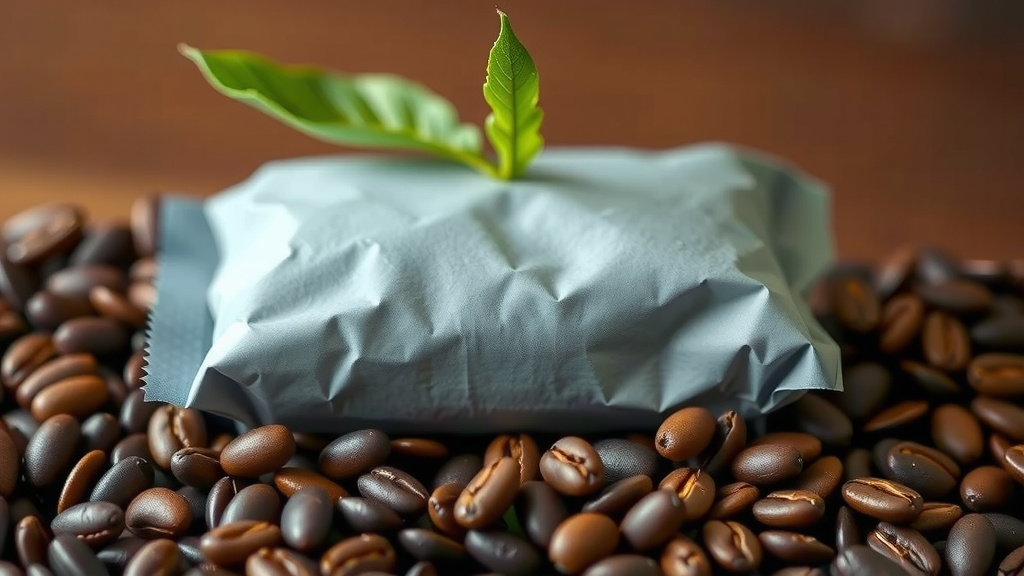
| Vacuum Sealed Bag | 1-2 years | Removes oxygen, blocks light |
As you can see from the table, vacuum sealing offers the longest potential shelf life for unopened coffee. This is primarily due to the drastic reduction in oxygen exposure.
Conclusion
So, you’ve learned that unopened, vacuum-sealed coffee can be your friend for up to two years if stored wisely. Remember, the roast date is your best guide to freshness. While vacuum sealing is a fantastic shield against oxygen, the quality of the beans and keeping them in a cool, dark place still matter a lot. Don’t let that good coffee go to waste! Your next step is to check the roast date on your current stash and pick a perfect storage spot. Enjoy that flavorful cup!
Frequently Asked Questions
Can I still drink vacuum-sealed coffee after 2 years?
While vacuum-sealed coffee can last up to two years, its peak flavor might diminish after that. We found that it’s generally safe to drink, but the aroma and taste might be weaker. You’ll want to do a sniff and taste test to see if it’s still enjoyable for your palate.
Does grinding coffee before vacuum sealing affect its shelf life?
Yes, it does. Ground coffee stales much faster than whole beans because more surface area is exposed to air once opened. If you have the option, always buy whole beans and grind them just before brewing for the freshest results, even if vacuum-sealed.
Is it ever okay to refrigerate or freeze unopened vacuum-sealed coffee?
For unopened vacuum-sealed coffee, it’s generally best to avoid the refrigerator or freezer. We found that temperature fluctuations and moisture can actually harm the beans when you open and close them. A stable, cool environment like a pantry is usually preferable.
What’s the biggest sign my vacuum-sealed coffee is no longer fresh?
The most reliable signs are a weak or absent aroma when you open the bag and a flat, bitter, or flavorless taste when brewed. If the packaging’s seal is broken or the bag feels puffy, that also indicates the protection is gone.
How does a coffee bag with a one-way valve compare to vacuum sealing?
A one-way valve allows gases to escape but doesn’t remove the initial air. We found that vacuum sealing is more effective because it removes most of the oxygen from the start. This means vacuum-sealed coffee generally lasts longer unopened than coffee with just a valve.