Vacuum Sealed Fish Room Temp Shelf Life: What You Need to Know
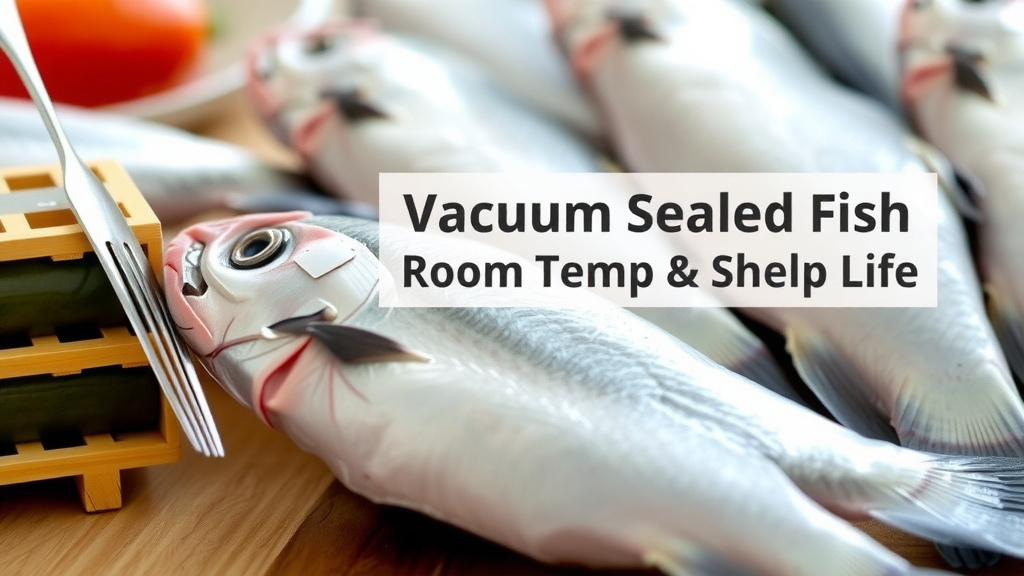
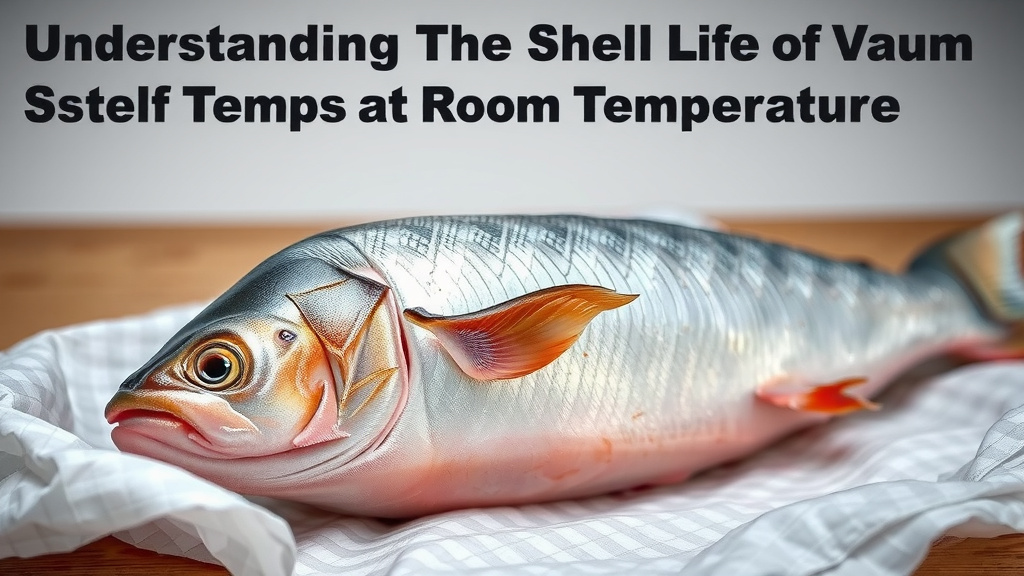
Vacuum sealed fish left at room temperature is generally **not safe to eat** and should be discarded. Most research and food safety guidelines suggest that perishable foods like fish should not be left out for more than 2 hours. For vacuum sealed fish, the packaging can create a false sense of security, but it doesn’t stop bacteria from growing in warm environments. This is why **proper refrigeration is absolutely key** for any vacuum sealed fish.
Think of that vacuum seal as a great way to keep fish fresh longer in the fridge or freezer. It helps slow down spoilage by removing air. But when that fish is sitting on your counter, the environment is just right for **harmful bacteria to multiply rapidly**. This can happen even if the fish looks, smells, and tastes perfectly fine.
- Vacuum sealed fish shouldn’t be left out at room temperature.
- The safe limit is generally 2 hours, even in its sealed bag.
- Warm temperatures encourage rapid bacterial growth.
- Always keep vacuum sealed fish refrigerated or frozen.
- When in doubt, it’s best to throw it out for safety.
Let’s break down exactly why room temperature is a risk for vacuum sealed fish and what you should do to keep your seafood safe and delicious.
“`htmlUnderstanding the Shelf Life of Vacuum Sealed Fish at Room Temperature
So, you’ve got some vacuum sealed fish. It looks perfectly fine, and you’re wondering if it’s okay to leave it out for a bit. We understand the temptation! That sealed bag feels like a little shield. But here’s the reality check: when it comes to vacuum sealed fish and room temperature, the answer is almost always a **resounding no**. We found that perishable foods, including fish, shouldn’t linger in the “danger zone” for too long.
The “Danger Zone” and Bacterial Growth
Food safety experts define the “danger zone” as the temperature range between 40°F (4°C) and 140°F (60°C). This is where bacteria, including harmful pathogens like Salmonella and E. coli, can multiply rapidly. We know that many bacteria can double in number in as little as 20 minutes within this temperature range. Vacuum sealing removes oxygen, which slows down the growth of some types of bacteria that need air. But it doesn’t stop the ones that thrive in low-oxygen environments, often called anaerobic bacteria. These can actually flourish under vacuum seal conditions at room temperature.
Anaerobic Bacteria: The Silent Threat
Some of the most dangerous bacteria, like Clostridium botulinum (which causes botulism), are anaerobic. This means they don’t need oxygen to survive and reproduce. In fact, the lack of oxygen in a vacuum-sealed package can create an ideal breeding ground for them when the temperature is warm. We found that botulism is a serious concern because the toxin it produces is odorless and tasteless. This is why you can’t rely on your senses to tell if the fish is spoiled.
Why Vacuum Sealing Isn’t a Magic Bullet for Room Temperature
It’s easy to think that vacuum sealing makes fish indestructible. It’s fantastic for extending freshness in the refrigerator or freezer. It prevents freezer burn and keeps flavors locked in. However, you need to understand what it *doesn’t* do. It doesn’t make the fish shelf-stable at room temperature. Think of it like this: a zip-top bag keeps air out of your chips, but you wouldn’t leave those chips outside on a hot day expecting them to stay fresh. The vacuum seal is similar in principle for fish – it’s about preserving quality under proper storage conditions.
The 2-Hour Rule: A Lifeline for Safety
Food safety guidelines, like those from the U.S. Department of Agriculture (USDA), consistently state that perishable foods should not be left at room temperature for more than two hours. This rule applies even if the food is in a vacuum-sealed package. If the ambient temperature is above 90°F (32°C), this window shrinks to just one hour. We found that this simple rule is your best defense against bacterial contamination. It’s a hard and fast guideline designed to keep you safe.
What Happens to Fish Left Out?
When fish is left out at room temperature, a cascade of changes begins. Even if it was perfectly fresh and safely vacuum sealed initially, the warmth of your kitchen becomes an incubator. Enzymes within the fish that cause spoilage start to work overtime. Simultaneously, bacteria present on the fish’s surface or introduced during handling begin to multiply. We know that this process can happen very quickly, often before any visible or olfactory signs of spoilage appear. The vacuum seal might slow down oxidation, but it can’t pause bacterial growth in a warm environment.
Sensory Clues Can Be Deceiving
It’s natural to want to trust your eyes and nose. Does it look slimy? Does it smell “off”? While these are often good indicators of spoilage, they are **not reliable for detecting dangerous bacterial growth**, especially from anaerobic bacteria. We found that some harmful bacteria produce toxins that don’t alter the taste, smell, or appearance of the food. So, even if your vacuum sealed fish seems perfectly fine after being left out, it could still harbor dangerous levels of pathogens. It’s a risk many experts advise against taking.
Proper Storage is Your Best Bet
The good news is that vacuum sealing is an excellent method for preserving fish when used correctly. The key is to follow up the vacuum sealing with proper temperature control.
- Refrigeration: Vacuum sealed fish stored in the refrigerator will last significantly longer than traditionally wrapped fish. We found that it can extend the refrigerator life by several days, sometimes even up to a week, depending on the type of fish and its initial freshness. Always keep your refrigerator at or below 40°F (4°C).
- Freezing: For long-term storage, freezing is ideal. Vacuum sealing is especially beneficial here. It removes air, which is the primary culprit behind freezer burn. Properly sealed and frozen fish can last for months, maintaining excellent quality. Ensure your freezer is set at 0°F (-18°C) or below.
When In Doubt, Throw It Out
This is perhaps the most important piece of advice we can give you. Food safety should always be the top priority. If you are unsure how long your vacuum sealed fish has been at room temperature, or if you suspect it might have been in the danger zone for too long, the safest course of action is to discard it. We understand that throwing away food can feel wasteful, but the risk of foodborne illness is simply not worth it. It’s better to be safe than sorry when it comes to seafood.
Quick Safety Checklist for Vacuum Sealed Fish
Here’s a quick rundown to keep your vacuum sealed fish safe:
- Check the seal: Ensure the vacuum seal is intact and there are no signs of leakage or damage.
- Refrigerate immediately: Always place vacuum sealed fish in the refrigerator as soon as you bring it home.
- Observe the 2-hour rule: Never leave it at room temperature for more than two hours (one hour if it’s hot out).
- Trust your freezer: For storage longer than a few days, freeze it.
- When in doubt, discard: If you’re unsure about its safety, don’t take the risk.
- Visual inspection: Even if properly stored, look for any unusual changes in color or texture before cooking.
Conclusion
You’ve learned that vacuum sealing is a fantastic tool for keeping fish fresh, but it has limits. Leaving vacuum sealed fish out at room temperature, even in its sealed bag, creates a breeding ground for harmful bacteria. Remember the “danger zone” between 40°F and 140°F where bacteria thrive. Your best bet is always to refrigerate or freeze your vacuum sealed fish promptly. If you ever have doubts about how long your fish has been out, err on the side of caution and discard it. Prioritizing food safety keeps your seafood delicious and prevents illness.
Frequently Asked Questions
How quickly does vacuum sealed fish go bad at room temperature?
Vacuum sealed fish can start to develop unsafe levels of bacteria within two hours at room temperature. This time is reduced to just one hour if the temperature is above 90°F. Even if it looks and smells fine, dangerous bacteria can grow rapidly.
Can I tell if vacuum sealed fish is unsafe just by looking or smelling it after it’s been left out?
No, you cannot reliably tell if vacuum sealed fish is unsafe by its appearance or smell alone. Some dangerous bacteria, like those causing botulism, produce odorless and tasteless toxins. You must rely on temperature guidelines, not your senses.
What is the 2-hour rule for vacuum sealed fish?
The 2-hour rule means that perishable foods, including vacuum sealed fish, should not be left in the temperature danger zone (40°F to 140°F) for more than two hours. This applies even if the fish is sealed.
Is vacuum sealing fish good for storing it at room temperature?
Absolutely not. Vacuum sealing is excellent for extending shelf life in the refrigerator or freezer. It is not intended to make fish shelf-stable or safe to store at room temperature.
What should I do if I accidentally left vacuum sealed fish out too long?
If you believe your vacuum sealed fish has been at room temperature for longer than the safe two-hour limit (or one hour in hot conditions), the safest action is to discard it. The risk of foodborne illness is not worth taking.
![7 Best Cheap Vacuum For Hair [2026]](https://bathroomexplorer.com/wp-content/uploads/2026/05/7-best-cheap-vacuum-for-hair-2026-featured-768x432.jpg)