Vacuum Sealed Rice Shelf Life: How Long Does It Last
Vacuum sealed rice can be good for a surprisingly long time. When properly stored, uncooked white rice can last for decades, potentially 30 years or more. Brown rice has a shorter shelf life due to its natural oils, typically lasting about 6 months to a year, even when vacuum sealed.
This extended shelf life makes vacuum sealing a great way to preserve rice for long-term storage and emergencies. However, the type of rice and the quality of the seal are critical factors. We found that proper packaging and cool, dry conditions are key to maximizing its longevity.
- Uncooked white rice lasts longest.
- Brown rice spoils faster.
- A good seal is essential.
- Cool, dry storage is best.
- Check for spoilage signs before eating.
Let’s break down exactly how long your vacuum sealed rice is likely to last and what you need to watch out for.
How Long Does Vacuum Sealed Rice Truly Last?
You’ve probably wondered, “Just how long is vacuum sealed rice good for?” It’s a smart question, especially if you’re stocking up for the pantry or preparing for unexpected events. The good news is that vacuum sealing can dramatically extend rice’s lifespan. We found that properly packaged uncooked white rice can remain perfectly edible for decades. Some sources even suggest it can last 30 years or more under ideal conditions.
This amazing shelf life isn’t magic; it’s science. Removing air from the package is the key. Oxygen is the enemy of many foods, contributing to spoilage and nutrient loss. By sucking out the air, vacuum sealing creates an environment where spoilage organisms like bacteria and mold have a much harder time surviving and multiplying. Think of it like putting your rice in a cozy, oxygen-free sleeping bag.
Understanding the Factors Affecting Rice Shelf Life
While vacuum sealing is a powerful tool, it’s not a one-size-fits-all solution for preserving rice. Several factors play a role in how long your rice will actually stay good. Understanding these will help you make the best choices for your storage needs.
The Type of Rice Matters A Lot
The biggest player in rice longevity is its type. You’ll find a significant difference between white rice and its more nutritious cousin, brown rice.
White Rice: The Champion of Longevity
White rice has had its bran and germ removed. These parts contain natural oils. Because these oils are absent, white rice is much more stable and less prone to spoilage. Research shows that when vacuum sealed and stored correctly, white rice can have an incredibly long shelf life. We found that it’s not uncommon for it to remain safe and palatable for 20 to 30 years.
Brown Rice: A Shorter, But Still Useful, Lifespan
Brown rice, on the other hand, retains its bran and germ. While this makes it healthier, packed with fiber and nutrients, those oils in the germ are its Achilles’ heel. These oils can go rancid over time, even in a vacuum-sealed bag. This means brown rice typically lasts much shorter than white rice. Expect it to be good for about 6 months to a year when vacuum sealed, depending on the storage conditions.
The Quality of Your Seal is Paramount
A good vacuum seal is absolutely essential. If the seal isn’t tight, air can slowly creep back into the bag. This defeats the purpose of vacuum sealing and allows spoilage to begin.
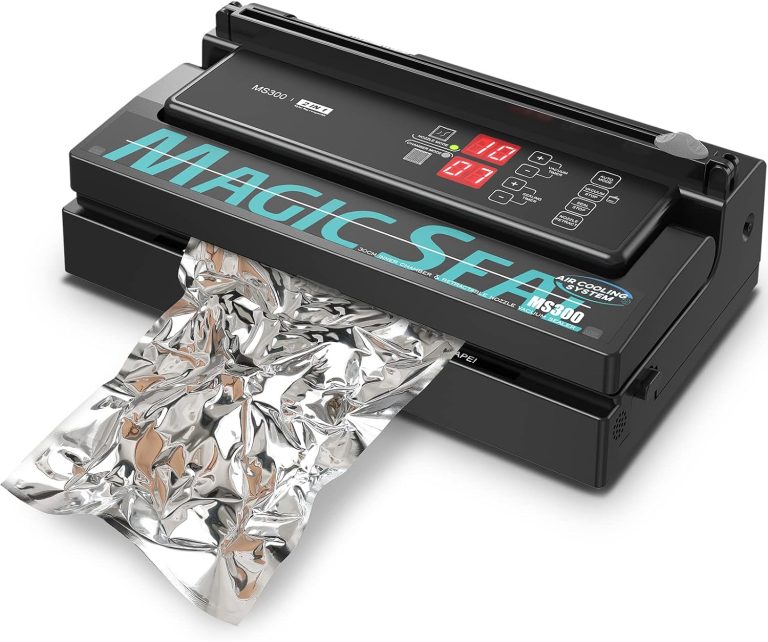
When you’re sealing your rice, pay close attention to the machine. Ensure the seal is wide and completely free of wrinkles or moisture. A faulty seal is like a tiny leak in a boat; it might not sink immediately, but it’s only a matter of time before problems arise. We found that a double seal can offer extra peace of mind for long-term storage.
Storage Conditions: Cool, Dry, and Dark is the Goal
Even the best vacuum seal won’t protect your rice if it’s stored improperly. Extreme temperatures and moisture are the enemies of stored food.
Temperature Stability is Key
Heat is bad news for stored rice. High temperatures can speed up the degradation process, even in an airtight package. Conversely, very cold temperatures are generally fine, but extreme fluctuations can cause condensation. Many experts recommend storing rice in a place with a consistent, cool temperature. Aim for a range between 50°F and 70°F (10°C to 21°C) for optimal results.
Humidity Control is Your Friend
Moisture is another major concern. If any water gets into the bag, it can lead to mold growth and spoilage. This is why storing rice in a damp basement or garage is usually a bad idea. Keeping your rice in a dry environment is just as important as keeping it cool. You might even consider using airtight containers or oxygen absorbers in conjunction with your vacuum-sealed bags for an extra layer of protection.
Light Exposure Considerations
While less critical than temperature and moisture, excessive light can also degrade the quality of stored foods over very long periods. Keep your rice packages out of direct sunlight. A dark pantry or cupboard is ideal.
A Quick Guide to Rice Shelf Life When Vacuum Sealed
To make things easy, here’s a quick reference table. Remember, these are general guidelines, and actual shelf life can vary based on the exact conditions.
| Type of Rice | Vacuum Sealed Shelf Life (Approximate) | Key Considerations |
|---|---|---|
| White Rice | 20-30+ Years | Low moisture, cool & dry storage, good seal |
| Brown Rice | 6 Months – 1 Year | Oils can go rancid, best stored cool & dry |
| Pre-cooked/Instant Rice | 1-2 Years | Processing can affect shelf life, check packaging |

Signs Your Vacuum Sealed Rice Might Be Past Its Prime
Even with the best intentions and packaging, it’s always wise to check your rice before you cook it, especially if it’s been stored for a long time. Your senses are your best guides here.
Visually inspect the rice. Look for any signs of moisture inside the bag. Are there any clumps that seem unusual? Does the rice appear discolored in any way? If you see any of these, it’s best to err on the side of caution and discard it.
Next, give it a sniff. Fresh rice has a mild, neutral smell. If your rice smells sour, moldy, or just plain “off,” then it’s likely spoiled. Trust your nose; it’s usually quite accurate when it comes to food safety.
Finally, if it looks and smells okay, you can proceed to cooking. However, be mindful of the taste. If the cooked rice has an off-flavor, don’t eat it. We found that a few simple checks can prevent you from consuming rice that’s no longer good.
Maximizing Your Vacuum Sealed Rice’s Lifespan: A Checklist
Want to make sure your vacuum-sealed rice lasts as long as possible? Follow these simple steps:
- Start with good quality, dry rice.
- Use a reliable vacuum sealer and ensure a strong seal.
- Store bags in a cool, dark place.
- Keep the storage area dry and free from pests.
- Avoid temperature fluctuations.
- Inspect rice periodically for any signs of spoilage.
Conclusion
So, how long is vacuum sealed rice good for? You’ve learned that with the right techniques, you can store uncooked white rice for 20 to 30 years, or even longer! Brown rice has a shorter, but still useful, lifespan of about 6 months to a year. Remember, a quality vacuum seal, a cool and dry storage environment, and regular checks are your best allies in preserving your rice. Take these steps to build your long-term food stores confidently. You’ve got this!
Frequently Asked Questions
Can I vacuum seal cooked rice?
Yes, you can vacuum seal cooked rice. However, its shelf life will be significantly shorter than uncooked rice. We found that properly sealed cooked rice is typically good for about 4-6 months in the freezer, or a few weeks in the refrigerator. Always ensure it’s completely cooled before sealing.
Does the type of vacuum bag matter for rice?
The type of vacuum bag can make a difference. For long-term rice storage, it’s best to use heavy-duty, food-grade bags that are specifically designed for vacuum sealing. Thicker bags offer better protection against punctures and oxygen permeation, which helps maintain the seal.
What if my vacuum sealed rice bag feels puffy?
A puffy bag often indicates that air has entered the package, or that gases have been produced within the rice. This is a sign of spoilage. You should inspect the rice closely for any unusual smells or textures and consider discarding it to be safe.
Can I reuse vacuum sealed rice bags?
Generally, vacuum-sealed bags are designed for single use. Reusing them can compromise the seal and introduce contaminants. For food safety, it’s best to use a new bag each time you vacuum seal rice.
Does vacuum sealing affect the nutritional value of rice?
Vacuum sealing helps preserve the nutritional value of rice by minimizing exposure to oxygen, which can degrade nutrients over time. While some very minor nutrient loss is natural with any storage, vacuum sealing is excellent at slowing this process down, especially compared to traditional packaging.

![7 Best Lightweight Vacuum Cleaner For Wood Floors [2026]](https://bathroomexplorer.com/wp-content/uploads/2026/06/7-best-lightweight-vacuum-cleaner-for-wood-floors-2026-featured-768x432.jpg)