How Long Should You Run an Air Purifier: A Complete Guide to Optimal Usage
Just bought an air purifier? You’re likely wondering about the ideal run time. It’s a common dilemma without a simple, universal answer, and that’s exactly what we’re going to explore. Think of your air purifier less like an ‘on-off’ switch and more like a garden – it needs regular attention, but not constant intervention. The key to optimal usage lies in understanding your specific needs and the prevailing air quality in your home.
In this guide, I’ll walk you through everything you need to know about running your air purifier effectively, from daily usage patterns to seasonal considerations. By the end, you’ll have a clear picture of how to maximize the benefits while keeping energy costs reasonable.
Understanding What Your Air Purifier Actually Does
Before diving into how long you should run your device, let’s talk about what it actually does. An air purifier works by pulling air through filters that trap dust, pollen, pet dander, bacteria, and other particles. It’s like a bouncer at a club, deciding what gets to stay in your indoor air and what gets filtered out.
Your air purifier isn’t creating clean air from nothing—it’s cycling and recirculating the air in your room through its filtration system. This means it needs time to work through all the air in your space multiple times to be truly effective. That’s why understanding the relationship between your room size and your purifier’s capacity is crucial.
The General Rule: How Many Hours Per Day?
Why 8 to 12 Hours is Often the Sweet Spot
For most households, running your air purifier for 8 to 12 hours daily strikes a good balance. This timeframe allows the device to cycle through your room’s air enough times to make a noticeable difference without keeping it running constantly. Think of it like cleaning your house—you don’t clean every single hour, but you also don’t just clean once a year.
If you work full-time outside the home, running your purifier for 8 hours during the evening and night hours makes sense. You get clean air while you sleep and relax, which is when you’re spending the most time indoors and when your body is most vulnerable to air quality issues.
Continuous Operation: When and Why
Some situations absolutely call for continuous operation. If someone in your home has severe asthma, allergies, or immunocompromised conditions, running your purifier 24/7 can be worthwhile. The same goes for homes with multiple pets, smokers, or locations near busy roads or industrial areas where outdoor air quality is consistently poor.
Continuous operation isn’t wasteful in these cases—it’s an investment in health. You wouldn’t hesitate to run your heating system all winter if needed, so why not approach air purification the same way when health is at stake?
Key Factors That Determine Your Ideal Running Time
Room Size and Square Footage
Your room’s size is perhaps the most important factor. A 300-square-foot bedroom requires different treatment than a 1,500-square-foot living room. This is where the concept of Air Changes Per Hour (ACH) becomes important.
ACH measures how many times your purifier can cycle the entire volume of air in a room in one hour. For general health maintenance, you want at least 4 ACH. For allergy or asthma sufferers, 5 to 8 ACH is better. For people dealing with smoke or heavy pollution, 10 or more ACH is ideal.
So here’s the practical formula: if your purifier achieves 4 ACH, it needs to run for 15 minutes to clean the air once, 60 minutes to provide 4 air changes, and so on. The CADR rating on your purifier’s box tells you how many cubic feet per minute it can clean, which determines its ACH rating in your specific room.
Current Air Quality in Your Home
Do you have visible dust floating in sunbeams? Can you smell pet odors? Do you notice stuffiness? These are signs your air quality is poor and your purifier needs more running time. Conversely, if your home feels fresh and you rarely open windows, you might not need as many hours of operation.
Many modern purifiers come with air quality sensors that measure particulate matter. If yours has this feature, let the readings guide you. When the sensor shows poor air quality, increase your running time.
Lifestyle Factors and Daily Activities
What happens in your home throughout the day? Cooking generates particulates and odors. Vacuuming stirs up dust. Pets shed continuously. Having guests over brings additional pollutants. If you’re a morning coffee drinker with a dog and two kids, your air gets dirtier faster than someone living alone in a quiet apartment.
These activities are reasons to run your purifier longer or strategically—boost it before and after cooking, keep it running during and after vacuuming, and increase hours on days when you have visitors.
Seasonal Changes and Weather Patterns
Spring and Fall: Allergy Season Intensity
Spring and fall are brutal for allergy sufferers. Pollen counts skyrocket, and that pollen finds its way into your home every time someone opens a door or window. During these seasons, extending your purifier’s runtime by 2 to 4 hours daily can make a noticeable difference in allergy symptoms.
If you usually run your purifier 8 hours, bump it up to 10 to 12 hours during peak allergy seasons. Your sinuses will thank you.
Winter Considerations
Winter brings different challenges. You’re keeping your windows closed, which means air is circulating within your home repeatedly without fresh outdoor air mixing in. This can actually make indoor air quality worse. On the flip side, heating systems can dry out air and stir up particles.
Winter is a good time for increased purifier usage—maybe 10 to 14 hours daily. The recycled, dry air needs regular filtering to stay breathable and healthy.
Summer and Open Windows
Summer is interesting because many people open their windows regularly. Fresh air naturally replaces some indoor air, which helps. However, if you have air conditioning running, you’re keeping windows closed anyway. In hot climates, you might actually run your purifier more in summer because you’re indoors with AC rather than outside.
Special Health Circumstances That Demand Different Approaches
Asthma and Respiratory Conditions
If you have asthma, you’re probably acutely aware of how air quality affects you. Running your purifier for 12 to 24 hours daily (yes, continuous operation) is often recommended by respiratory specialists. The goal is keeping your environment as clean as possible to minimize triggers.
Don’t just think about daytime hours—nighttime air quality is crucial since you’re in your bedroom for 6 to 8 hours with your nose near the pillow, breathing deeply as you sleep.
Severe Allergies
Severe allergies are similar to asthma in terms of purifier needs. If you’re allergic to dust mites, pet dander, or pollen, and these allergies significantly impact your quality of life, you should run your purifier for at least 12 hours daily, with 16 to 24 hours being ideal during high-risk seasons.
Recently Smoke-Affected Spaces
If you recently had a fire nearby, your home was smoked in, or you live with a smoker, continuous operation is your friend. Smoke particles penetrate everything and require aggressive, sustained filtering. Run your purifier 24/7 until the smell is gone and air quality sensors show significant improvement.
Energy Consumption and Cost Reality Check
How Much Does It Really Cost to Run?
Let’s talk money. Most air purifiers use 30 to 200 watts of electricity, depending on the model and fan speed. If you run a 100-watt purifier for 12 hours daily at average electricity rates, you’re looking at roughly $5 to $10 per month in additional electricity costs.
Even if you run it continuously, that’s around $15 to $25 monthly. Compared to medical expenses from untreated allergies or asthma, this is genuinely minimal.
Running at Lower Fan Speeds to Save Energy
Here’s a smart hack: most purifiers have multiple fan speeds. Running on low or medium speeds uses less energy but still provides filtration. You don’t always need maximum power. Save turbo mode for times when air quality is genuinely bad—use medium speed as your default.
Think of it like driving—you don’t accelerate to maximum speed immediately; you cruise at whatever speed is necessary for the conditions.
Filter Maintenance and How Runtime Affects It
Understanding Filter Lifespan
Here’s something many people overlook: running your purifier longer means filters get dirtier faster. This is actually a good thing because it means the filter is doing its job. A dirty filter means it’s capturing particles.
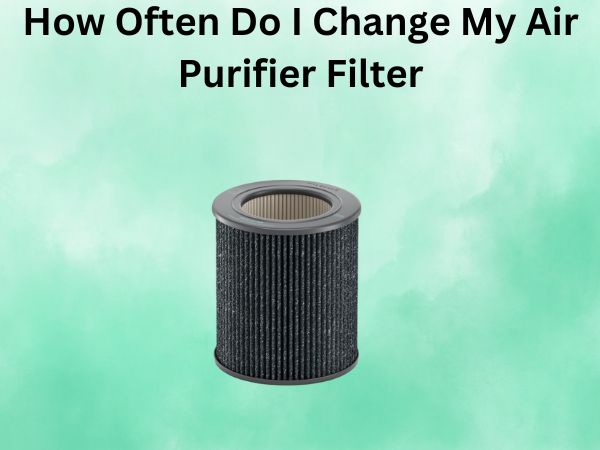
Most HEPA filters last 6 to 12 months with normal use. If you’re running your purifier 24/7, expect filter replacement every 3 to 6 months. If you run it 8 hours daily, the standard 6 to 12 months applies.
Budget for filters accordingly. It’s one of the ongoing costs of owning an air purifier.
Knowing When to Replace Your Filters
Don’t guess—check your filters regularly. When a HEPA filter turns gray or dark brown, it’s working hard. When it blocks light, it’s ready for replacement. Some purifiers have filter indicator lights that tell you when to replace them, which takes the guesswork out of the equation.
Creating a Smart Running Schedule for Your Lifestyle
The Work-From-Home Schedule
If you work from home, consider running your purifier during work hours (8 hours) and then 2 to 4 additional hours in the evening. This approach keeps your breathing air clean during productive hours when you’re most active, plus gives evening air quality a boost.
The 9-to-5 Away-From-Home Schedule
If you’re out all day, running your purifier while you’re away might seem wasteful, but consider this: pollutants accumulate while you’re gone. Running it for 6 to 8 hours during the day ensures some circulation happens, then running it for 8 to 10 hours in the evening gives you clean air when you’re actually breathing it.
Alternatively, use a timer to have your purifier start 30 minutes before you arrive home, so you walk into fresh air.
Flexible Weekend vs. Weekday Approach
You might run your purifier less on weekdays (8 hours) when you’re busy, then increase to 12 to 14 hours on weekends when you’re spending more time indoors. This approach reduces energy costs while still maintaining reasonable air quality.
Continuous Operation Versus Intermittent Operation
The Case for Continuous Running
Some people argue that continuous operation is the only way to guarantee consistently clean air. There’s merit to this—your air is perpetually being filtered rather than having periods of accumulation between runs.
Imagine a water filter: would you rather have it filtering all the time, or filtering sporadically? The continuous approach keeps contamination at minimal levels consistently.
The Case for Intermittent Operation
Others argue that intermittent operation saves money and extends filter life without meaningfully impacting health. If your home’s air quality isn’t severely compromised, running your purifier 8 to 12 hours daily likely provides 90% of the benefit at a fraction of the cost.
It’s like brushing your teeth twice daily instead of after every meal—you get excellent results without overdoing it.
Smart Technology and Automation Features
Air Quality Sensors and Auto Mode
Modern purifiers often include air quality sensors and auto modes. These features are genuinely useful—your purifier runs at whatever speed is necessary to maintain the air quality you set. When air is clean, it runs slower and quieter. When air quality degrades, it speeds up automatically.
This approach removes the guesswork entirely and optimizes both air quality and energy consumption.
Smart Home Integration and Scheduling
Many newer models connect to smartphone apps or home automation systems. You can set schedules, monitor air quality remotely, and adjust settings from anywhere. This technology makes it easy to turn your purifier on before arriving home or adjust runtime based on real-time air quality data.
Common Myths About Air Purifier Runtime
Myth 1: Running 24/7 Is Always Better
This isn’t necessarily true. For people with normal health and moderate air quality issues, 8 to 12 hours daily is often sufficient. Continuous operation is better only when health conditions warrant it or air quality is severely compromised.
Myth 2: Once Your Air Is Clean, You Can Turn It Off
This is backwards thinking. Air doesn’t stay clean on its own. Dust settles, pets shed, people create particles through activities. Your purifier maintains cleanliness; it doesn’t achieve it once and allow you to stop.
Myth 3: Opening Windows Is Better Than Using a Purifier
This depends entirely on outdoor air quality. If you live in a polluted area, opening windows makes things worse. Even in clean areas, outdoor pollen and pollution is a trade-off for fresh air circulation. A good strategy is using both—open windows sometimes and use your purifier regularly.
Real-World Usage Scenarios
Scenario 1: Allergy Sufferer in a Moderate Climate
Sarah has moderate seasonal allergies and lives in a temperate area. She runs her purifier 10 hours daily year-round, increasing to 14 hours during spring pollen season. This approach costs her about $8 monthly and keeps her symptoms manageable without being excessive.
Scenario 2: Pet Owner in a Small Apartment
Marcus has two cats in a 600-square-foot apartment. He runs his purifier 12 hours daily to handle pet dander and odor. His energy bill increased by about $12 monthly, but the reduction in pet smell and dander is worth every penny.