
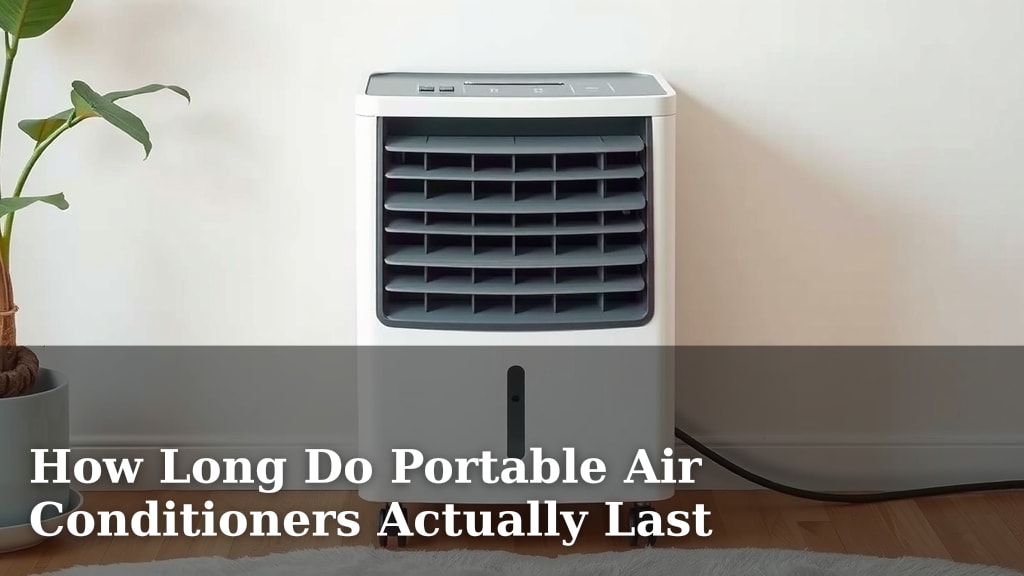
How Long Do Portable Air Conditioners Actually Last
A portable air conditioner should generally last between 5 to 10 years with proper care. Factors like usage frequency, maintenance, and the unit’s build quality can significantly impact its lifespan. Think of it like a trusty old fan; it’ll keep humming along if you treat it right!
When you invest in a portable AC, you’re looking for cool relief during those sweltering months. Understanding how long your unit is likely to perform can help you budget and plan. We found that consistent cleaning and avoiding strain on the motor are key to getting the most out of your cooling companion for years to come.
- Portable ACs typically last 5-10 years.
- Regular maintenance is essential for longevity.
- Usage habits greatly affect how long it works.
- Quality of the unit plays a big role.
We’ve gathered some helpful information to guide you on how long your portable air conditioner should last. Let’s walk through what impacts its lifespan and how you can help it keep you cool.
What’s the Lifespan of Your Portable Air Conditioner?
When you’re thinking about how long your portable air conditioner will keep you cool, you’re generally looking at a lifespan of 5 to 10 years. This is a good ballpark figure that many manufacturers and appliance repair experts agree on. Of course, just like any appliance, the actual time it serves you well depends on a few key things. We found that understanding these factors can help you get the most out of your purchase.
Factors Influencing Your Portable AC’s Longevity
Usage Habits: How Often and How Hard You Run It
Think about how often you use your portable AC. If you live in a climate where you only need it for a few weeks out of the year, it will likely last longer than someone who runs it every single day for months on end. Heavy usage means the motor and other components are working harder, more often. This can lead to wear and tear over time.
We found that using your portable AC on its highest setting constantly can also shorten its life. The compressor, which is like the heart of the unit, works overtime when it’s battling extreme heat. It’s a good idea to set your thermostat to a comfortable but not frigid temperature. Many experts suggest a setting around 75-78°F (24-26°C) as a good balance for comfort and energy efficiency.
Maintenance: The Key to a Long-Lasting Unit
This is perhaps the **most critical factor** you can control. Regular cleaning and upkeep are like giving your portable AC a good check-up. Without it, dust and debris can clog filters and vents, making the unit work harder and overheat. We found that neglecting maintenance is a common reason why portable ACs fail prematurely.
Cleaning the Air Filter: Your First Line of Defense
Your portable AC has an air filter, and keeping it clean is super important. Most filters are reusable and just need a good wash. We recommend cleaning your filter at least once a month, or more if you live in a dusty environment or have pets. A clogged filter restricts airflow, making your AC struggle to cool your room.
Cleaning is usually straightforward. You’ll typically slide out the filter, rinse it under cool water, and let it dry completely before putting it back. It’s a simple step that makes a **big difference** in performance and lifespan.
Draining the Condensate: Don’t Let Water Build Up
Portable air conditioners remove moisture from the air. This water, called condensate, needs to be drained. Some units have an auto-evaporation feature that handles most of it, but others require manual draining. If your unit has a drain port, make sure to empty it regularly according to the manufacturer’s instructions. Letting water build up can cause leaks, mold, and even damage the unit’s electrical components. We found that many users overlook this simple but vital task.
Checking the Exhaust Hose: Ensuring Clear Airflow
The exhaust hose is crucial for expelling hot air from your room. Make sure it’s properly connected and not kinked, bent, or blocked. We found that a blocked hose forces the unit to work much harder and can lead to overheating, which is bad news for its longevity. Regularly inspect the hose for any damage or obstructions.
Unit Quality and Brand Reputation
Just like with cars or smartphones, not all portable air conditioners are created equal. Units made with higher-quality materials and better engineering tend to last longer. While it might cost a bit more upfront, a well-built unit can save you money and hassle in the long run. We found that brands with a solid reputation for reliability often use more durable components.
When you’re shopping, check reviews and look for models that consistently receive good marks for durability and performance. A slightly higher price tag can sometimes mean a **more robust appliance** that will serve you faithfully for many years.
What to Expect at Different Lifespan Stages
The First Few Years: Peak Performance
When your portable AC is new, you can expect it to perform at its best. It will efficiently cool your space and likely won’t give you much trouble. This is the time to establish good habits. Regular filter cleaning and proper draining will set it up for a long life. We found that users are usually very happy with their units during this initial period.
Middle Age (3-7 Years): Regular Check-ups Needed
As your unit approaches its middle years, you might start noticing a slight decrease in cooling efficiency. It might take a little longer to cool a room, or you might need to set it to a lower temperature. This is the time when consistent maintenance really pays off. Addressing issues early can prevent minor problems from becoming major ones. Many experts suggest that around this time, you should be extra vigilant about cleaning and checking for wear.
Older Years (7+ Years): Watch for Signs of Aging
In its later years, your portable AC might start showing its age. You could notice it making more noise, cycling on and off more frequently, or struggling to maintain your desired temperature. It’s also at this stage that you might encounter more frequent repairs. If you’ve been diligent with maintenance, it might still be going strong! However, it’s also a good time to start thinking about a potential replacement.
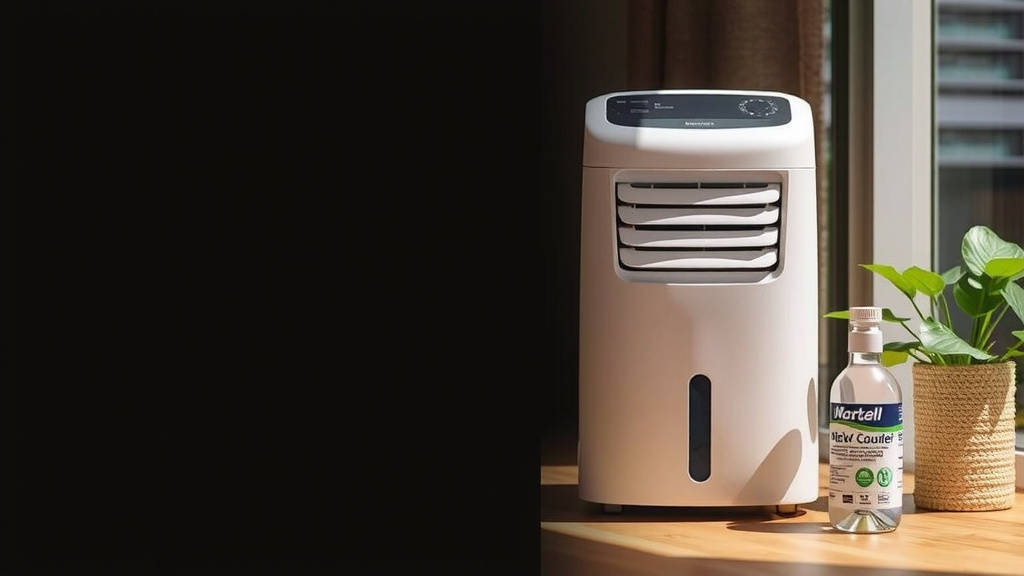
Signs Your Portable AC Might Be Nearing the End
There are a few tell-tale signs that your portable air conditioner might be on its last legs. Listen for **unusual noises** like grinding or loud buzzing, which could indicate a problem with the motor or fan. If you notice a significant drop in cooling performance that cleaning doesn’t fix, or if it starts leaking water excessively, these are also indicators.
Another sign is if the unit frequently trips your circuit breaker. This often suggests an electrical issue that could be costly to repair. We found that sometimes, the cost of repairing an older unit can approach the cost of a new one, making replacement a more sensible option. It’s a decision you’ll have to weigh based on the repair estimate and the age of your AC.
Maximizing Your Portable AC’s Lifespan: A Quick Checklist
To help your portable air conditioner serve you for as long as possible, follow these simple steps:
- Clean the air filter at least once a month.
- Ensure proper drainage of condensate.
- Keep the exhaust hose clear and undamaged.
- Avoid running the unit on its highest setting constantly.
- Store it properly during the off-season if possible.
- Don’t ignore unusual noises or performance issues.
Conclusion
You’ve learned that your portable air conditioner should ideally last between 5 to 10 years. This lifespan isn’t set in stone; it’s heavily influenced by how you use and care for your unit. By consistently cleaning filters, ensuring proper drainage, and keeping the exhaust hose clear, you’re actively extending its life. Remember, regular attention is far more effective than hoping for the best. Make a habit of these simple maintenance steps, and you’ll enjoy cool comfort from your portable AC for many seasons to come. It’s an investment in your comfort that pays off with consistent care.
Frequently Asked Questions
Can I make my portable air conditioner last longer than 10 years?
While the average lifespan is 5-10 years, with exceptional care and a high-quality unit, you might get more. Consistent, thorough maintenance is your best bet. Avoiding strain on the motor and components will help maximize its performance over time. However, eventually, components will wear out, and repairs might become frequent and costly.
What if my portable AC isn’t cooling as well as it used to?
A drop in cooling performance is often the first sign your unit needs attention. Check the air filter – a clogged one is the most common culprit. Also, ensure the exhaust hose is clear and properly connected, and that condensate is draining correctly. If these simple checks don’t help, it might indicate internal wear or a more significant issue.
Is it worth repairing an old portable air conditioner?
You’ll need to weigh the cost of repairs against the age and cost of a new unit. If the repair is minor and your AC is only a few years old, it might be worthwhile. However, if it’s an older unit and the repair is expensive, you might be better off investing in a new, more energy-efficient model. We found that repair costs can sometimes approach the price of a replacement.
How does storage affect my portable AC’s lifespan?
Proper storage during the off-season can help your portable AC last longer. Clean the unit thoroughly before storing it. Ensure the filters are clean and dry, and that any remaining water is drained. Store it in a dry place, ideally with its original packaging or a protective cover, to shield it from dust and moisture.
Does running my portable AC on “high” all the time shorten its life?
Yes, consistently running your portable AC on its highest setting can reduce its lifespan. This puts more strain on the compressor and motor as they work harder to cool extreme temperatures. Setting your thermostat to a comfortable, moderate temperature and letting the unit cycle on and off is more energy-efficient and kinder to its components.
![7 Best Generator To Run Rv Air Conditioner [2026]](https://bathroomexplorer.com/wp-content/uploads/2026/06/7-best-generator-to-run-rv-air-conditioner-2026-featured-768x432.jpg)

![7 Best Window Air Conditioners 8000 Btu [2026]](https://bathroomexplorer.com/wp-content/uploads/2026/07/7-best-window-air-conditioners-8000-btu-2026-featured-768x432.jpg)
![7 Best Low Noise Window Air Conditioner [2026]](https://bathroomexplorer.com/wp-content/uploads/2026/06/7-best-low-noise-window-air-conditioner-2026-featured-768x432.jpg)
![7 Best Height For Wall Air Conditioner [2026]](https://bathroomexplorer.com/wp-content/uploads/2026/06/7-best-height-for-wall-air-conditioner-2026-featured-768x432.jpg)