Shark Vacuum Lifespan: How Long Will Yours Last
You’re likely wondering how long your trusty Shark vacuum should last. Generally, a well-maintained Shark vacuum cleaner can last anywhere from 5 to 10 years. This lifespan depends heavily on proper care and regular maintenance.
Several factors influence your Shark vacuum’s longevity. These include the specific model you own, how often you use it, and the types of messes you typically tackle. Consistent cleaning and upkeep are key to getting the most out of your investment.
- Shark vacuums typically last 5-10 years with good care.
- Model type and usage frequency affect lifespan.
- Regular maintenance is essential for durability.
- Check filters and clear clogs often.
- Battery life is a factor for cordless models.
Below, we’ll break down what influences your Shark vacuum’s lifespan and how you can help it last as long as possible.
How Long Can You Expect Your Shark Vacuum to Last?
So, you’re curious about the lifespan of your Shark vacuum. You’ve probably seen them advertised as durable and powerful, and you want to know if that holds true over time. Generally speaking, with proper care and regular maintenance, a Shark vacuum cleaner can serve you faithfully for anywhere from 5 to 10 years.
This isn’t a hard and fast rule, though. Several factors play a role in how long your specific Shark model will keep humming along. Think of it like any appliance you own; its longevity depends on how you treat it. We’ll dive into what influences this timeline and what you can do to get the most out of your trusty cleaning companion.
Factors Influencing Your Shark Vacuum’s Lifespan
Model Type and Its Build Quality
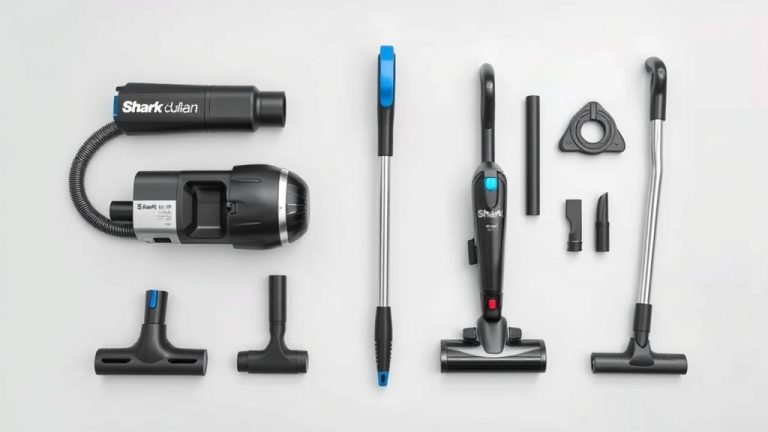
Shark offers a wide range of vacuum models, from stick vacuums and uprights to cordless handhelds and robot vacuums. Some models are built with more robust materials and components than others. Higher-end models often use more durable plastics and stronger motors, which can contribute to a longer lifespan. Think of it like a car; a basic model might get you around, but a premium one often has features and construction built to last longer.
Frequency of Use: Daily Driver vs. Occasional Cleaner
How often do you pull out your Shark vacuum? If you’re using it daily to tackle pet hair on hardwood floors and crumbs under the kitchen table, it’s going to get more wear and tear than someone who vacuums once a week. Daily use means more cycles on the motor, more debris passing through the filters and hoses, and generally more work for the machine.
The Types of Messes You Typically Clean
Are you primarily dealing with light dust and everyday dirt? Or are you regularly vacuuming up larger debris, like small pebbles from a garden or large clumps of pet fur? While Shark vacuums are designed to handle a variety of messes, consistently vacuuming up heavy or abrasive debris can put extra strain on the motor and internal components. It’s like asking your shoes to run a marathon every day versus a light jog; the demands are different.
Your Maintenance Routine: The Secret to Longevity
This is perhaps the most significant factor you can control. Just like a car needs oil changes and tire rotations, your Shark vacuum benefits immensely from a little TLC. Neglecting simple maintenance tasks is the quickest way to shorten its lifespan. Consistent cleaning of parts and clearing of clogs can prevent bigger problems down the line.
Key Maintenance Tasks for a Longer-Lasting Shark Vacuum
Don’t Forget Those Filters!
Your Shark vacuum has filters designed to trap dust and allergens. These filters can become clogged over time, reducing suction power and potentially causing the motor to overheat. Most Shark vacuums have washable filters. You should check them monthly and wash them according to the manufacturer’s instructions. Make sure they are completely dry before reinserting them. Some models might also have HEPA filters that may need replacement every 6-12 months, depending on usage and environment (American Lung Association).
Clear Clogs Promptly
A common issue that reduces performance and can damage your vacuum is a clog. This usually happens in the hose, wand, or brush roll. If you notice a sudden drop in suction, shut off the vacuum immediately and inspect these areas for blockages. Trying to force debris through a clogged pathway puts immense strain on the motor.
Brush Roll Care
The brush roll is vital for picking up dirt, especially from carpets. Hair, strings, and larger debris can get tangled around it, preventing it from spinning effectively. Many Shark models have brush rolls that are easy to access for cleaning. Simply use scissors or a seam ripper to carefully cut away tangled debris. A clean, free-spinning brush roll ensures optimal performance.
Emptying the Dust Cup
It might seem obvious, but frequently emptying the dust cup is important. When the dust cup is too full, airflow is restricted, which leads to decreased suction. Aim to empty it after each use or whenever it reaches about two-thirds full. This simple habit helps maintain consistent performance and reduces stress on the motor.
Cordless vs. Corded: Battery Life Considerations
If you own a cordless Shark vacuum, its battery life is a key component of its overall usability and, in a way, its lifespan. Batteries, whether in vacuums or phones, degrade over time. You might notice that your cordless model doesn’t hold a charge as long as it used to after a few years. This is normal battery aging.
To maximize battery life, follow the manufacturer’s charging recommendations. Avoid storing the vacuum with a fully depleted battery for extended periods. Some research suggests that storing lithium-ion batteries (common in cordless vacuums) at around a 40-60% charge can help prolong their life (US Department of Energy).
When to Consider Repair or Replacement
Even with the best care, parts can wear out. If your Shark vacuum experiences a sudden loss of power, a strange noise, or a complete failure, it’s time to assess. Minor issues, like a broken hose clip or a tangled brush roll, are often easily fixed. For more serious problems, such as motor failure or damaged electronics, you’ll need to weigh the cost of repair against the price of a new vacuum. Often, if a vacuum is several years old, investing in a new model might be more economical and provide you with updated features.
Quick Checklist for Maximizing Your Shark Vacuum’s Life
- Empty the dustbin regularly.
- Clean or replace filters as recommended.
- Check and clear any hose or wand clogs.
- Untangle and clean the brush roll.
- For cordless models, manage battery charging and storage.
- Store your vacuum in a dry, clean place.
Conclusion
You’ve learned that your Shark vacuum is built to last, typically serving you well for 5 to 10 years with the right care. Remember, consistent maintenance is your best friend here. Simple tasks like emptying the dust bin and cleaning filters make a big difference. For cordless models, paying attention to battery care will also help. By following these tips, you can ensure your Shark vacuum keeps your home clean for years to come. Now, make it a habit to check your filters and clear any clogs this week!
Frequently Asked Questions
What’s the most common reason a Shark vacuum stops working?
The most frequent culprit is a clogged filter or a blockage in the hose or brush roll. When airflow is restricted, the motor can overheat or struggle, leading to performance issues or a complete shutdown. Regularly checking and cleaning these parts is key.
How often should I clean the filters on my Shark vacuum?
You should aim to check your Shark vacuum’s filters monthly. Most filters are washable and can be cleaned according to the manufacturer’s guide. Always ensure they are completely dry before putting them back in the vacuum to prevent damage.
Will my cordless Shark vacuum’s battery degrade over time?
Yes, battery performance will naturally decrease over several years, just like in other rechargeable devices. To help extend its life, try to avoid leaving the battery completely drained for long periods and follow the recommended charging practices from Shark.
Is it worth repairing an old Shark vacuum or should I buy a new one?
If your Shark vacuum is several years old and requires a major repair, like a motor replacement, it’s often more economical to invest in a new model. For minor issues, repair can extend its life, but weigh the cost against the benefits of newer technology.
Can I use my Shark vacuum for heavy-duty cleaning tasks?
Shark vacuums are designed for home use, handling everyday dirt and debris well. However, consistently vacuuming very heavy or abrasive materials, like large amounts of gravel or sharp debris, can put extra strain on the motor and components, potentially shortening its lifespan.