How Long Should Your Vacuum Cleaner Last?
You can expect a good quality vacuum cleaner to last anywhere from 8 to 15 years with proper care and maintenance. Some high-end models might even go longer, offering dependable cleaning power for over a decade. It really depends on the type of vacuum and how well you treat it.
Several factors influence your vacuum’s lifespan. Brand reputation plays a role, as does the quality of materials used in its construction. Regular maintenance, like cleaning filters and emptying the bin, is key to ensuring your vacuum runs efficiently and lasts as long as possible. Neglecting these simple tasks can shorten its life considerably.
TL;DR:
- Vacuums typically last 8-15 years.
- Quality and brand matter for longevity.
- Proper maintenance is essential.
- Regular filter cleaning extends life.
- Emptying the bin prevents strain.
Below, we’ll walk you through what you need to know about vacuum cleaner lifespan and how you can maximize yours.
How Long Can You Expect Your Vacuum to Last?
It’s a fair question to ask: how long should a vacuum cleaner last? You invest a good chunk of money into a reliable vacuum, and you want it to stick around. We found that most vacuums can serve you well for a good long while if you treat them right. Think of it like a trusty car; regular tune-ups mean fewer breakdowns.
Generally, you can expect a quality vacuum cleaner to keep humming along for about 8 to 15 years. Some premium models might even extend beyond that, giving you over a decade of cleaning power. This lifespan is heavily influenced by the type of vacuum and, importantly, how you maintain it.
Factors Influencing Vacuum Lifespan
The Role of Brand and Quality
Not all vacuums are created equal. A reputable brand often means better engineering and more durable components. We found that brands known for their reliability tend to use higher-quality plastics and motors. This isn’t to say budget vacuums can’t last, but they might require more gentle handling and could have a shorter service life. It’s often a case of ‘you get what you pay for’ when it comes to vacuum longevity.
Materials Matter
The materials used in a vacuum’s construction play a huge part. Think about it: if the plastic casing is brittle or the motor is made with cheaper parts, it’s more likely to crack or overheat. We found that vacuums built with robust, high-impact plastics and well-tested motor components generally withstand daily wear and tear better. This translates directly to a longer operational life.
Types of Vacuums and Their Expected Lifespans
Different vacuum styles have different strengths and typical lifespans. Understanding these differences can help you set realistic expectations.
Upright Vacuums
These are the workhorses for many homes, especially those with carpets. Uprights tend to be robust. We found that a well-maintained upright vacuum can easily last 10 to 15 years. Their larger capacity and powerful suction can handle bigger messes, but they also require more consistent cleaning of their parts.
Canister Vacuums
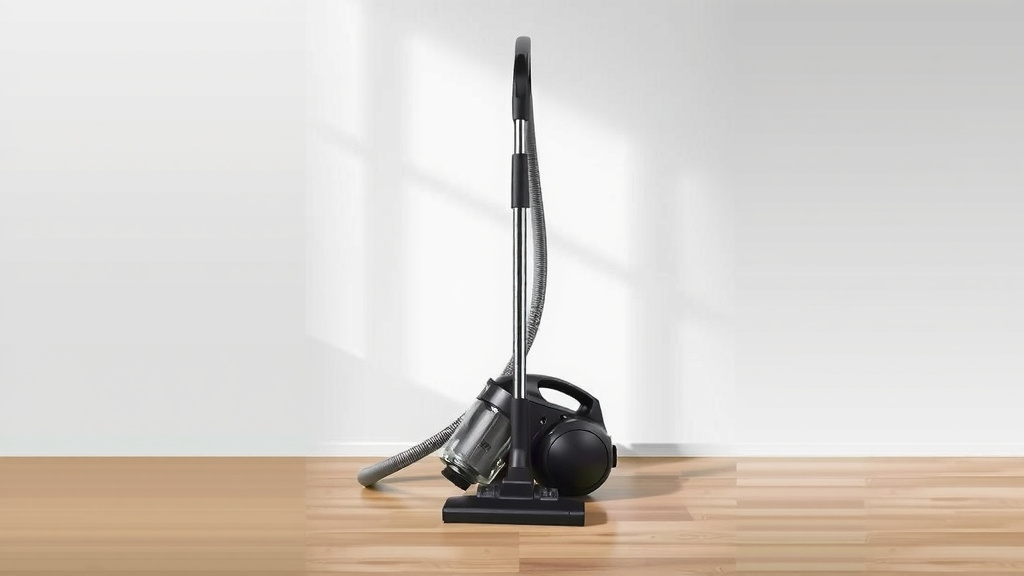
Canister vacuums offer versatility with separate body and wand units. Many users find them more maneuverable. Research suggests these models often have a lifespan of 8 to 12 years. The separate motor and dust collection unit can sometimes lead to a more balanced wear pattern. They are also great for reaching tricky spots.
Stick Vacuums and Cordless Models
These are popular for their convenience and lightweight design. However, their lifespan can be a bit shorter, often ranging from 5 to 8 years. The main factor here is the battery, which has a limited number of charge cycles. We found that while the motor might last longer, the battery’s degradation is often the limiting factor for cordless vacuums.
Robotic Vacuums
Robots are the newest entrants, offering automated cleaning. Their lifespan typically falls between 4 to 6 years. Like stick vacuums, batteries are a key component. Additionally, the complex navigation systems and sensors can be prone to wear or damage over time. Keeping their sensors clean is a must.
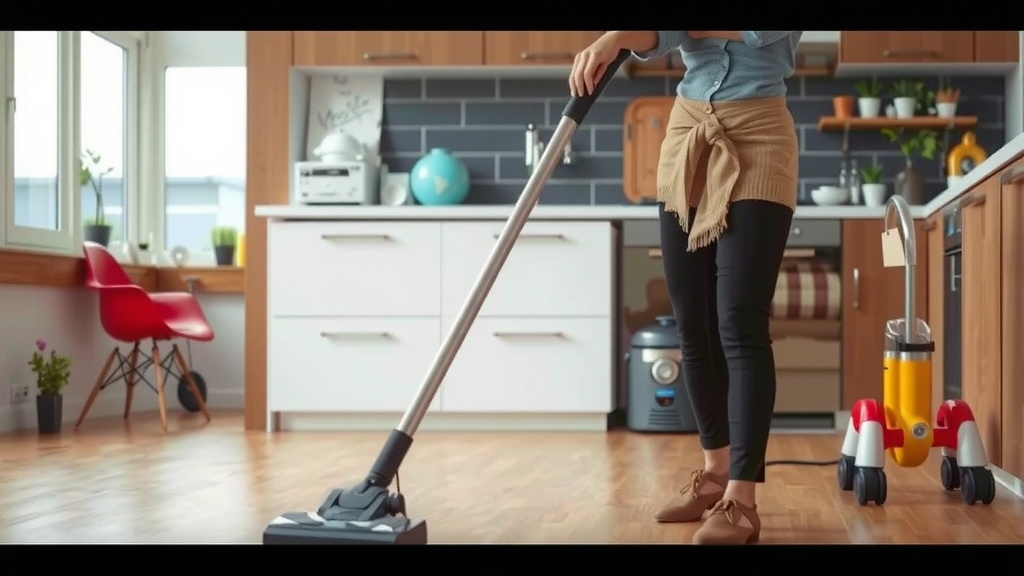
The Golden Rules of Vacuum Longevity: Maintenance is Key
No matter how much you spend or what type of vacuum you own, neglecting maintenance is the fastest way to shorten its life. Think of it as basic hygiene for your appliance.
Filter Care: The Heartbeat of Your Vacuum
This is arguably the most critical maintenance task. Clogged filters restrict airflow, making your vacuum work harder. This strain can overheat the motor and reduce suction power. We found that cleaning or replacing filters regularly, as recommended by the manufacturer, can significantly extend your vacuum’s life. Many washable filters just need a good rinse and dry. HEPA filters might need replacing every 6-12 months depending on use.
Emptying the Dustbin or Bag
An overflowing dustbin or bag is another major cause of reduced performance and strain. When the container is full, suction power drops dramatically. This forces the motor to work overtime. It’s best to empty the bin before it’s completely full, ideally when it reaches about two-thirds capacity. This simple habit prevents unnecessary stress on the motor.
Brush Roll and Hose Checks
Hair, thread, and debris can easily get tangled in the brush roll. This entanglement can prevent the brush from spinning properly, impacting cleaning performance and potentially damaging the belt or motor. Regularly inspect and clean the brush roll. Also, check hoses for any blockages. A clear path for air and debris is essential for efficient operation. We found that a quick check after each major cleaning session can save a lot of trouble.
Belts and Hoses: The Unsung Heroes
For vacuums with belts, especially uprights, wear and tear are inevitable. A worn or broken belt won’t turn the brush roll effectively. Many manufacturers recommend replacing the belt annually or as needed. Inspect hoses for cracks or tears. A compromised hose can lead to suction loss and damage to internal components. Keeping an eye on these parts is like checking your tires for wear.
Maximizing Your Vacuum’s Lifespan: A Quick Checklist
Want to ensure your vacuum keeps cleaning for years to come? Follow these simple steps:
- Always empty the dustbin or bag when it’s about two-thirds full.
- Clean or replace filters according to the manufacturer’s schedule.
- Untangle and clean the brush roll after heavy use.
- Check hoses for blockages or damage periodically.
- Store your vacuum in a dry, safe place, away from extreme temperatures.
- Consider the terrain: use appropriate settings for carpets vs. hard floors.
By incorporating these simple maintenance routines, you can help ensure your vacuum cleaner provides excellent service for the full extent of its potential lifespan, saving you money and hassle in the long run.
Conclusion
You’ve learned that your vacuum cleaner’s lifespan isn’t set in stone. While most quality vacuums can serve you for 8 to 15 years, this depends heavily on the type of vacuum and how diligently you maintain it. Simple tasks like cleaning filters and emptying the bin make a huge difference. By following a consistent care routine, you’re not just keeping your vacuum running efficiently; you’re also saving yourself money and the hassle of premature replacement. Your next step? Take a moment to check your vacuum’s filters and dustbin today – a small effort for years of clean floors.
Frequently Asked Questions
How often should I clean my vacuum’s filters?
You should aim to clean your vacuum’s filters at least once a month. If you have pets or allergies, you might need to clean them more frequently. Always refer to your vacuum’s manual for specific recommendations.
Can a broken vacuum cleaner be repaired?
Often, yes! Many common vacuum issues, like a clogged hose or a worn belt, can be repaired relatively easily. Some brands also offer repair services or replacement parts, which can be more cost-effective than buying a new machine.
Does using my vacuum more often shorten its life?
Using your vacuum more frequently doesn’t automatically shorten its life if you maintain it properly. The key is consistent cleaning of filters, emptying the bin, and checking for blockages. Heavy use without maintenance will impact its lifespan more than just frequent use alone.
What’s the most common reason vacuums stop working?
The most common reasons vacuums fail prematurely are clogged filters and overflowing dustbins. These issues cause the motor to overheat and work harder, leading to premature wear and tear or even complete motor failure.
Are more expensive vacuums always more durable?
Generally, higher-priced vacuums tend to use better quality materials and more robust motors, which can lead to a longer lifespan. However, even an expensive vacuum will break down faster if it’s not properly maintained.
![7 Best Home Vacuum Sealer For Food [2026]](https://bathroomexplorer.com/wp-content/uploads/2026/06/7-best-home-vacuum-sealer-for-food-2026-featured-768x432.jpg)