How Long to Leave Pool Vacuum in Pool: Best Practices
Generally, you’ll want to leave your pool vacuum in the pool for 4 to 8 hours to effectively clean your pool. Some pool owners let it run overnight, which is also fine. The main goal is to let the cleaner run long enough to cover your entire pool surface and remove debris. This ensures your pool water is sparkling clean and inviting for your next swim.
The exact time can vary based on your pool’s size, the type of vacuum you use (robotic, suction, or pressure), and how much debris it needs to tackle. For instance, a large pool might need a longer cleaning cycle. We found that running your automatic pool cleaner for a full cycle is usually sufficient. Don’t forget to check its debris canister or filter bag regularly!
TL;DR:
- Leave vacuum in pool for 4-8 hours.
- Overnight is also okay.
- Adjust time based on pool size and debris.
- Run for a full cleaning cycle.
- Check debris canister often.
Below, we’ll dive into the specifics of how long to leave your pool vacuum in the pool, considering different factors and providing tips to keep your water crystal clear.
How Long Should Your Pool Vacuum Run?
So, you’re wondering how long to let that pool vacuum do its thing. It’s a common question for pool owners. We’ve found that a good rule of thumb is 4 to 8 hours for most automatic pool cleaners. This timeframe usually allows the cleaner to make several passes over your pool’s surfaces. This ensures it captures most of the dirt and debris. Some people even let theirs run overnight, which is perfectly fine. The main idea is to give it enough time to work its magic.
Understanding Your Cleaner’s Job
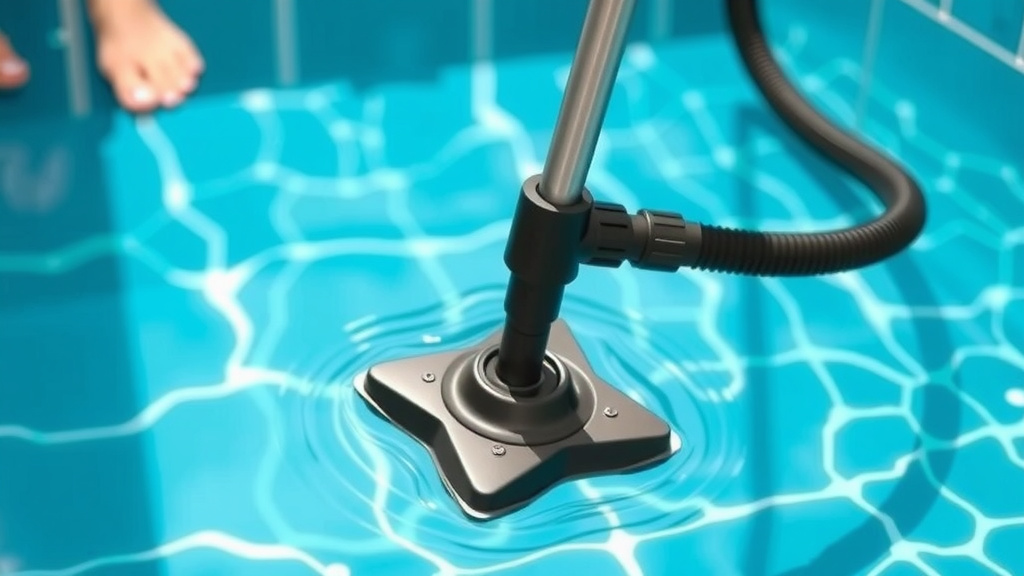
Think of your pool vacuum as a diligent little worker. Its job is to circulate water and filter out the gunk. This includes leaves, sand, small pebbles, and even microscopic particles. The longer it runs, the more water it filters. This leads to cleaner, clearer pool water. We’ve seen that running it for a full cleaning cycle is often the sweet spot. This is typically between 4 and 8 hours, depending on the model and your pool’s needs.
Factors Affecting Cleaning Time
Your pool isn’t just a hole in the ground; it’s a dynamic environment. Several factors influence how long your vacuum needs to run. Let’s break them down so you can get the best results.
Pool Size Matters
A larger pool naturally takes longer to clean than a smaller one. Imagine trying to vacuum your entire living room versus just a small rug. The vacuum needs more time to cover the whole area. For a standard backyard pool, the 4-8 hour range is a good starting point. If you have an Olympic-sized pool, well, you might need to adjust that time quite a bit!
Type of Pool Vacuum
Not all pool vacuums are created equal. They each have their own cleaning patterns and capabilities. Let’s look at the main types you’ll find:
Robotic Pool Cleaners
These are the independent stars of the show. Robotic cleaners have their own motors and filters. They don’t rely on your pool’s pump system. Many robotic cleaners have pre-set cleaning cycles, often around 1 to 3 hours. However, for a thorough clean, you might want to let them run longer if your pool is very dirty. We found that running a robotic cleaner for a full cycle is usually sufficient. Check your model’s manual for recommended run times.
Suction-Side Pool Cleaners
These vacuums connect to your skimmer. They use your pool’s main pump to create suction. This suction pulls debris into the cleaner’s filter bag or canister. Because they rely on your pool pump, their run time is often tied to your pump’s schedule. Many pool owners run their pumps for 8-12 hours a day. Letting your suction-side cleaner run during this time is a good strategy. We’ve noticed they tend to be slower cleaners, so they benefit from longer periods of operation.
Pressure-Side Pool Cleaners
These cleaners hook up to your pool’s return jet. They use water pressure to move and create suction. They often have a debris bag attached. Like suction-side cleaners, their run time is usually linked to your pool pump’s schedule. Many experts suggest running your pool pump for at least 8 hours daily. This allows ample time for pressure-side cleaners to do their job effectively.
Debris Load: The Mess Factor
How much debris is currently in your pool? That’s a big question. If your pool is full of leaves after a storm, your vacuum will have a tougher job. It will need more time to capture everything. On a day with minimal debris, a shorter cleaning cycle might be enough. It’s like asking a dishwasher to clean a few plates versus a whole dinner party’s worth of dishes.
Optimizing Your Pool Vacuum’s Performance
You want your pool to be a sparkling oasis, right? Here are some tips to help your vacuum perform at its best and keep your pool looking its finest.
Regular Canister or Filter Bag Checks
This is super important! We cannot stress this enough. If your cleaner’s debris bag or canister is full, it can’t pick up any more. It’s like trying to fill a trash can that’s already overflowing. You need to empty it. For robotic cleaners, check the filter basket after each use. For suction or pressure cleaners, check the bag every few days or when you notice reduced suction. This simple step makes a huge difference.
The Importance of a Full Cleaning Cycle
What is a “full cleaning cycle”? For many automatic pool cleaners, it’s designed to cover the entire pool surface at least once. Think of it as the manufacturer’s recommended amount of time to ensure your pool gets a good scrub. We found that sticking to this recommended cycle is often the best approach. It balances effective cleaning with reasonable energy usage.
When to Let it Run Overnight
Is running your vacuum overnight a good idea? Yes, for many robotic cleaners, it is. They are self-contained and often designed for this. Some pool owners find it convenient to set their robotic cleaner to run while they sleep. This ensures the pool is clean and ready for morning. For suction or pressure cleaners, this isn’t usually necessary, as they run when your main pool pump is on. Just make sure your robotic cleaner is in a safe spot and won’t get tangled.
Creating a Cleaning Checklist
To make sure you’re keeping your pool in top shape, here’s a quick checklist:
- Check debris bag/canister after each use or every few days.
- Empty bag/canister when it’s half to two-thirds full.
- Inspect cleaner for damage before and after operation.
- Ensure cleaner moves freely and isn’t stuck.
- Run cleaner for its full cycle as recommended by the manufacturer.
- Consider pool size and debris load when adjusting run time.
Balancing Cleanliness and Efficiency
You want a clean pool, but you also don’t want to waste electricity or wear out your equipment unnecessarily. Finding that sweet spot is key. Most manufacturers design their cleaners with optimal run times in mind. For robotic cleaners, this often means a cycle of 1 to 3 hours for a quick clean, and maybe 4 to 8 hours for a deep clean. For cleaners attached to your pool’s pump, the run time is usually integrated into your daily pool pump schedule. Many experts suggest running your pool pump for 8-12 hours a day to ensure proper filtration and circulation (CDC).
Understanding Your Cleaner’s Limits
If you notice your pool isn’t getting clean even after a long run, it might be time to investigate. Is the debris bag full? Is the cleaner itself getting old? Sometimes, even the best pool vacuums need a little help or even replacement. We found that a well-maintained cleaner running for its recommended cycle will give you the best results. Don’t overthink it; let the cleaner do its job.
Conclusion
You’ve learned that leaving your pool vacuum in for 4 to 8 hours is generally the sweet spot for most pools. Remember, this isn’t a hard and fast rule; it’s about letting your specific cleaner do its job thoroughly. Factors like your pool’s size, the type of vacuum, and how much debris is present all play a role. Always prioritize running a full cleaning cycle. Make it a habit to check your vacuum’s debris bag or canister regularly. This simple maintenance ensures your vacuum works efficiently. By following these tips, you’ll keep your pool water crystal clear and ready for enjoyment all season long. Your next step? Check your cleaner’s manual for its specific recommended cycle time and make a note to empty its canister after each use.
Frequently Asked Questions
How do I know if my pool vacuum has finished cleaning?
Most robotic pool cleaners have a set cycle time and will automatically shut off or signal completion. For suction or pressure cleaners, they typically run as long as your pool pump is on. You’ll know they’ve had enough time when your pool looks visibly cleaner, and there’s less debris on the floor and walls.
Can I leave my pool vacuum in the pool 24/7?
It’s generally not recommended to leave any pool cleaner in the water continuously for days on end. While many robotic cleaners can run for extended periods, regular checks are needed to empty their filters and inspect for wear. Leaving them in too long without maintenance can strain the motor or lead to tangles and damage.
Is it bad to run my pool pump and vacuum for more than 8 hours a day?
Running your pool pump for 8-12 hours a day is standard practice for good filtration. If your suction or pressure-side vacuum runs during this time, it’s beneficial for cleaning. However, constantly running them for much longer periods without a break could increase wear and tear on your pump and cleaner, and also increase your electricity bill.
My pool is very dirty after a party. How long should I leave the vacuum in?
If your pool has a lot of debris, you’ll want to give your vacuum extra time. For a heavily soiled pool, consider running your robotic cleaner for a longer cycle if available, or let your suction/pressure cleaner run for the full duration your pump is on. You may also need to empty its debris canister midway through the cleaning process.
What happens if I don’t run my pool vacuum long enough?
If you don’t run your pool vacuum for a sufficient amount of time, it won’t effectively clean your entire pool. You’ll likely notice debris left on the floor or walls, and the water might not be as clear as you’d like. This can lead to algae growth and require more manual cleaning later on.
![7 Best Carpet Cleaner Vacuum For Dog Urine [2026]](https://bathroomexplorer.com/wp-content/uploads/2026/05/7-best-carpet-cleaner-vacuum-for-dog-urine-2026-featured-768x432.jpg)