
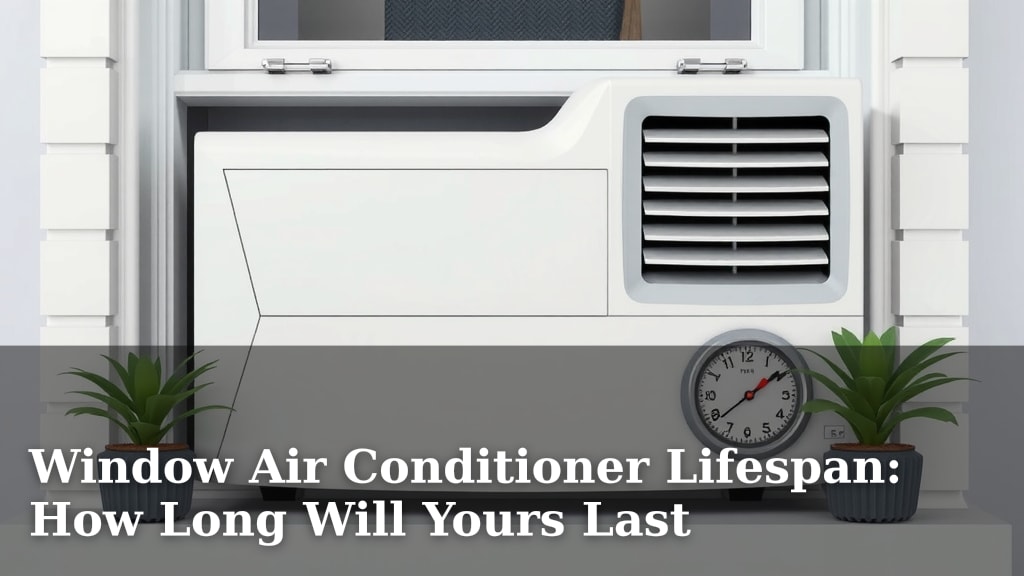
Window Air Conditioner Lifespan: How Long Will Yours Last
So, how long will your trusty window air conditioner last? Most window AC units are built to last between 10 to 15 years. This lifespan can change based on how well you care for it and the quality of the unit itself. Keeping it clean is key for a longer lifespan.
Thinking about your window AC’s life expectancy is smart. It helps you budget for replacements and avoid unexpected breakdowns on the hottest days. We’ve seen many factors affect how long these cooling heroes keep humming, from how often you use them to the climate you live in.
- Window ACs typically last 10-15 years.
- Maintenance is a big factor.
- Usage and climate also play a role.
- Some units may last longer with excellent care.
Let’s dive into what makes a window AC tick and how to get the most out of yours for years to come.
Understanding Your Window Air Conditioner’s Lifespan
So, how long can you expect your window air conditioner to keep your home cool and comfortable? Most window AC units are designed to provide reliable service for a good long while. We found that the typical lifespan for a window air conditioner falls between 10 to 15 years.
This range isn’t a hard and fast rule, though. Several factors play a role in how long your specific unit will last. Think of it like a car; regular maintenance and how you drive it make a big difference in its longevity. Your window AC is no different. Let’s talk about what influences this timeline.
Key Factors Affecting Your Window AC’s Longevity
You might be wondering what makes one window AC last longer than another. It really comes down to a few main areas. We’ve seen that usage patterns, environmental conditions, and how you treat your unit all add up.
Usage Habits and Frequency
How often do you run your air conditioner? If you live in a scorching hot climate and run your AC 24/7 during the summer, it will naturally experience more wear and tear. Conversely, if you only use it occasionally or live in a milder climate, your unit will likely last longer.
Think of it this way: a car driven daily for long commutes will need more maintenance and eventually wear out faster than one used only for weekend errands. Your AC operates similarly. Constant running means more cycles, more strain on its components, and potentially a shorter journey.
Environmental Conditions
Where your window AC is installed also matters. Units placed in areas with high humidity, heavy dust, or near salty air (like coastal regions) can face accelerated corrosion and wear. These environmental factors can clog filters and damage internal parts over time.
For instance, dust and debris can get sucked into the unit, especially through the air intake. This can block airflow, making the AC work harder to cool your room. Salty air can actually corrode the metal components, leading to rust and potential electrical issues.
Quality of the Unit and Brand Reputation
Just like any product, there’s a difference in quality between brands and models. Some manufacturers build their units with sturdier components designed for durability. Researching brands known for reliability can be a smart move when purchasing a new AC.
We found that brands with a strong reputation for quality often use better materials and have more rigorous testing processes. This can translate to a longer, more trouble-free life for your air conditioner. While a pricier unit might seem like a bigger initial investment, it can often save you money in the long run.
The Importance of Regular Maintenance
This is perhaps the single most important factor in extending your window AC’s life. Skipping maintenance is like skipping your own doctor’s appointments – eventually, something is going to go wrong. Regular care keeps everything running smoothly.
Cleaning Your Air Filters: A Simple Yet Vital Task
Your AC’s air filter is its first line of defense against dust and debris. A clogged filter restricts airflow, forces the unit to work harder, and can lead to overheating. Cleaning or replacing these filters regularly is essential.
How often? It depends on your usage and environment. For most people, checking and cleaning filters at least once a month during peak cooling season is a good rule of thumb. If you have pets or live in a dusty area, you might need to do it even more often.
Checklist for Filter Care:
- Inspect filters monthly.
- Wash reusable filters gently with mild soap and water.
- Ensure filters are completely dry before reinserting.
- Replace disposable filters as recommended by the manufacturer.
- Listen for unusual noises after cleaning; it might indicate another issue.
Coil Cleaning: Keeping It Cool and Efficient
The evaporator and condenser coils are where the magic of cooling happens. When these coils get dirty, their ability to transfer heat is significantly reduced. This makes your AC inefficient and puts a strain on the system.
Cleaning the coils yourself is possible, but it can be a bit tricky. Many experts recommend a professional cleaning every few years. If you do it yourself, be sure to consult your manual and use appropriate coil cleaner sprays. You’ll typically find the condenser coils on the outside part of the unit, exposed to the elements.
Checking for Leaks and Drainage
As your AC runs, it produces condensation. This water needs to drain away properly. If the drainage port gets clogged, water can back up. This can lead to water damage, mold growth, or even short circuits within the unit.
Make sure the unit is properly angled so water can drain outwards. You can also check the drainage hole periodically and clear any debris that might be blocking it. Keeping this clear is a simple way to prevent bigger problems down the line.
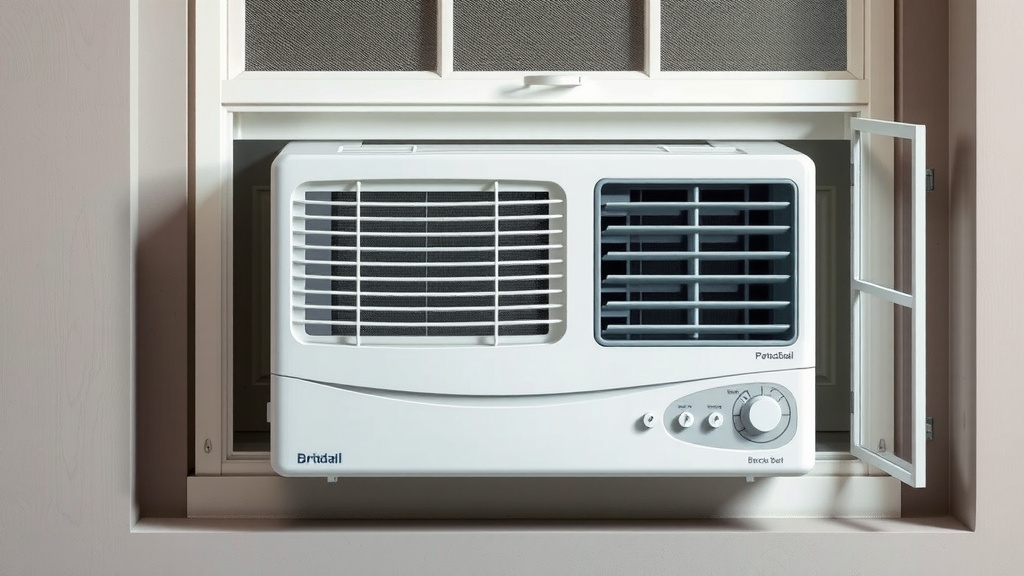
Signs Your Window AC Might Be Nearing the End
Even with the best care, every appliance has a finite lifespan. You can often tell your window AC is getting older or might be developing problems by paying attention to certain signs. Being aware can help you prepare for a replacement before it dies on you mid-heatwave.
Performance Degradation
Is your AC taking longer to cool the room? Is it running constantly but not reaching your desired temperature? These are classic signs that its efficiency is declining. This could be due to dirty coils, low refrigerant, or failing components.
A unit that used to cool your space quickly but now struggles might be on its last legs. It’s working harder, consuming more energy, and just not doing the job as well as it used to.
Unusual Noises and Smells
Strange sounds are never a good sign. Rattling, grinding, or buzzing noises often indicate loose parts or motor issues. Musty or burning smells can point to electrical problems or mold growth within the unit.
If you start hearing sounds you’ve never heard before, or if there’s a peculiar odor when you turn it on, it’s worth investigating. These issues can sometimes be fixed, but they can also be precursors to a major failure.
Increased Energy Bills
As an AC unit ages and becomes less efficient, it tends to consume more electricity to perform the same amount of work. If you notice your electricity bills creeping up during the cooling season, and you haven’t changed your usage habits, your AC might be the culprit.
This increase in energy consumption is often a subtle indicator that the internal components are wearing out. It’s a slow drain on your wallet that signals a larger issue within the appliance.
Tips for Maximizing Your Window AC’s Lifespan
Want to squeeze every last year out of your window air conditioner? You can actively take steps to prolong its life. These aren’t complicated tricks, just good practices that make a difference.
Consistent Cleaning Schedule
As we’ve discussed, regular filter cleaning is non-negotiable. Make it a habit. Schedule reminders on your phone if you need to. Keeping the unit clean inside and out prevents many common issues.
Professional Check-ups
Consider having a qualified technician inspect your unit every few years. They can spot potential problems early, clean the coils thoroughly, and ensure the refrigerant levels are correct. This is especially true for units that are several years old.
Proper Installation
Ensure your window AC is installed correctly. It should be level or have a slight downward tilt towards the outside for proper drainage. A secure installation also prevents vibrations that can wear down components over time.
Use Smartly
Avoid constantly turning the unit on and off. Instead, set it to a consistent, moderate temperature. Using a programmable thermostat or timer can help maintain this without constant manual adjustments. Also, close blinds and curtains during the hottest parts of the day to help your AC work less.
Conclusion
You now know that your window air conditioner typically lasts between 10 to 15 years. We’ve found that regular maintenance, like cleaning filters monthly, is your best bet for a longer lifespan. Consider the quality of the unit and how often you use it. Paying attention to signs like unusual noises or decreased cooling performance can help you prepare for a replacement. The best next step? Schedule your next filter cleaning today and give your AC the care it deserves.
Frequently Asked Questions
How often should I clean my window AC’s air filter?
For most users, checking and cleaning your window AC’s air filter at least once a month during peak cooling season is recommended. If you have pets or live in a dusty area, you may need to clean it even more frequently.
Can I make my window AC last longer than 15 years?
While 10 to 15 years is the average, it’s possible to extend your unit’s life beyond that. Consistent, thorough maintenance, using it smartly, and ensuring professional check-ups can help it perform well for many years.
What’s the biggest mistake people make that shortens their AC’s life?
The single most common mistake is neglecting regular filter cleaning. A clogged filter makes your AC work much harder, leading to overheating and premature wear on its components. Skipping this simple task can significantly reduce its lifespan.
Should I replace my window AC if it’s making strange noises?
Unusual noises like rattling, grinding, or buzzing are often warning signs. While some noises might be minor and fixable, they can indicate developing issues with motors or loose parts. It’s wise to have a technician inspect it, and be prepared for a potential replacement if the problem is severe.
Does the climate I live in really affect my window AC’s lifespan?
Yes, it absolutely does. Living in a climate with extreme heat means you’ll likely use your AC more, causing more wear and tear. High humidity, dust, or salty air can also damage internal components and reduce its longevity.
![7 Best Rated Stand Alone Air Conditioner [2026]](https://bathroomexplorer.com/wp-content/uploads/2026/06/7-best-rated-stand-alone-air-conditioner-2026-featured-768x432.jpg)
![7 Best Quiet Air Conditioner For Bedroom [2026]](https://bathroomexplorer.com/wp-content/uploads/2026/06/7-best-quiet-air-conditioner-for-bedroom-2026-featured-768x432.jpg)