Vacuum Sealed Freezer Food Shelf Life Guide
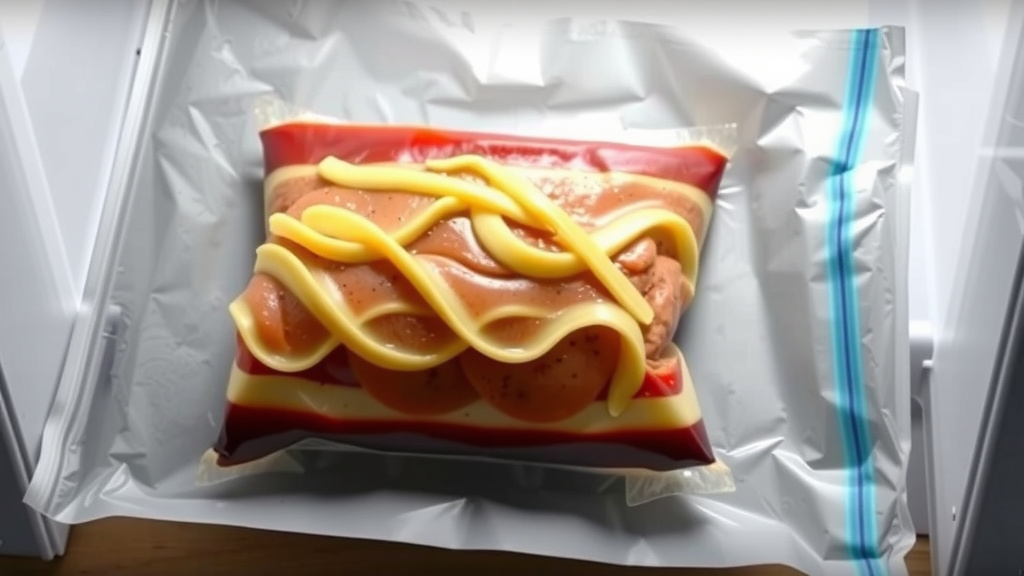
Vacuum-sealed food can last a remarkably long time in the freezer, often 2 to 3 times longer than food stored in traditional packaging. When done correctly, vacuum sealing creates an airtight barrier that prevents freezer burn and spoilage. This means your frozen foods can stay fresh and flavorful for months, even years.
Understanding how long your food will last is key to smart meal planning and reducing waste. Proper vacuum sealing protects against moisture loss and oxidation, two common culprits behind freezer-damaged food. You can confidently freeze a wider variety of items, knowing they’ll maintain their quality and taste when you’re ready to use them.
- Vacuum-sealed food lasts 2-3 times longer in the freezer.
- Airtight sealing prevents freezer burn and spoilage.
- Proper sealing can extend food life by months or years.
- It helps maintain food’s original quality and taste.
- Reduces food waste and supports better meal planning.
Let’s dive into the specifics and see just how long your vacuum-sealed goodies can chill in the cold!
Your Vacuum-Sealed Freezer Food: Shelf Life Secrets Revealed
So, you’ve taken the plunge and started vacuum sealing your food for the freezer. That’s fantastic! It’s a smart move for keeping your food fresh. But now you’re probably wondering, “Just how long can this stuff actually last?” You want to know the nitty-gritty details. Let’s break down the impressive shelf life you can expect.
Extending Freezer Life: The Vacuum Seal Advantage
When you vacuum seal food, you’re essentially removing the air around it. This air is the enemy of frozen food. It contains oxygen that can cause oxidation and moisture that can lead to ice crystals. These ice crystals are what we know as freezer burn. They dry out your food and change its texture and flavor.
A good vacuum seal removes almost all the air. This creates a barrier that prevents freezer burn. It also stops spoilage from happening as quickly. Many experts agree that vacuum sealing can extend the life of frozen foods by two to three times compared to regular freezer bags or containers (USDA).
Understanding Freezer Burn and Oxidation
Think of freezer burn like a tiny, icy desert forming on your food. It happens when air gets to the food. Moisture escapes, leaving behind dry, discolored spots. These spots aren’t harmful to eat, but they certainly don’t taste great. Oxidation is similar; it’s like your food is slowly rusting from the inside out.
Vacuum sealing fights both these issues. By squeezing out the air, it dramatically slows down these processes. Your food stays plump and delicious, not dried out and flavorless. This is why that vacuum-sealed steak can taste almost as good a year later as it did the day you froze it!
General Shelf Life Estimates for Vacuum-Sealed Frozen Foods
The exact lifespan varies by food type, but here’s a general idea. For most cooked meats, like chicken breasts or ground beef, you’re looking at a shelf life of 2 to 3 years. That’s a huge jump from the typical 4-6 months in regular packaging.
Fish also benefits greatly. Many types of fish can last for 1 to 2 years when vacuum-sealed, compared to just a few months otherwise. Raw meats generally have a similar, if not slightly longer, lifespan than cooked versions. You can feel confident stocking up.
Fruits and Vegetables: Fresher for Longer
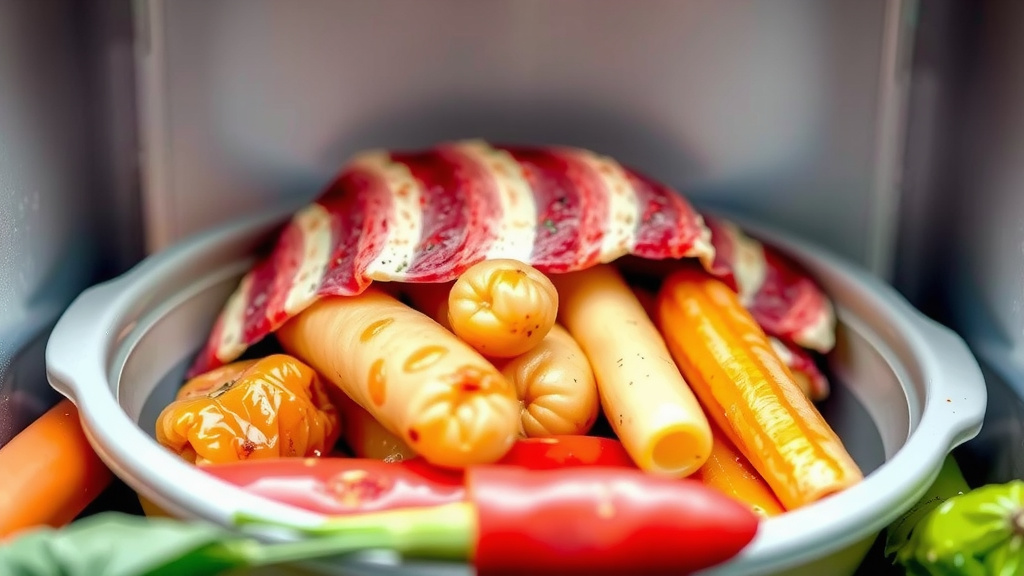
Your frozen fruits and veggies will be happier too. Blanching is still important for most vegetables before freezing to preserve nutrients and color. Once blanched and vacuum-sealed, most vegetables can last 1 to 2 years. Without vacuum sealing, they might only be good for 6-12 months.
Fruits are a bit more forgiving. While they might lose some texture due to their high water content, vacuum-sealed fruits can stay good for 1 to 1.5 years. That’s much better than the 6-8 months you might get from standard freezer bags. Imagine enjoying summer berries well into winter!
Other Foods: Baking, Soups, and More
Don’t forget about your baked goods! Bread, muffins, and cookies can last for 6 months to 1 year. That’s a significant improvement over a few weeks or months. Soups, stews, and sauces are also excellent candidates. They can easily last 1 to 2 years when properly sealed.
Cheese is another winner. Hard cheeses can last for 6 months to 1 year, while softer cheeses might be best within 4-6 months. It really depends on the cheese type and its moisture content. When in doubt, it’s always best to use it sooner rather than later.
| Food Type | Vacuum Sealed (Approx.) | Regular Packaging (Approx.) |
|---|---|---|
| Cooked Meats | 2-3 Years | 4-6 Months |
| Raw Meats | 2-3 Years | 6-12 Months |
| Fish | 1-2 Years | 3-6 Months |
| Vegetables (Blanched) | 1-2 Years | 6-12 Months |
| Fruits | 1-1.5 Years | 6-8 Months |
| Baked Goods | 6 Months – 1 Year | 1-3 Months |
| Soups/Stews | 1-2 Years | 3-6 Months |
Factors Affecting Your Frozen Food’s Lifespan
While vacuum sealing is a superpower for food preservation, it’s not magic. Several factors can influence how long your food truly stays at its best. Temperature consistency is key. Fluctuations can cause ice crystals to form and thaw, even in a sealed bag. Keep your freezer set at 0°F (-18°C) or below (FDA).
Freezer Temperature and Consistency
A stable temperature is your best friend. Every time the freezer door opens, warm air gets in. This can start a slow thawing process. If your freezer is constantly running or having temperature swings, it can shorten the shelf life. We’ve all been there, trying to find something without letting all the cold air out!
Initial Food Quality and Preparation
The quality of the food going into the bag matters. Use fresh, high-quality ingredients. Also, proper preparation is vital. Make sure meats are clean, vegetables are blanched correctly, and cooked foods have cooled down before sealing. Food that’s already close to spoiling won’t magically get better in the freezer, even if vacuum-sealed.
For items like berries, it’s often recommended to freeze them individually on a tray first before vacuum sealing. This prevents them from getting crushed into a mushy mess. This small step makes a big difference in the final texture.
The Quality of Your Seal
A proper vacuum seal is crucial. If there’s still a lot of air left in the bag, or if the seal isn’t completely airtight, you’re not getting the full benefit. Check your vacuum sealer’s instructions and practice to ensure you’re getting a strong, reliable seal every time. A weak seal is like having a leaky roof – it won’t protect you for long!
Tips for Maximizing Your Vacuum-Sealed Freezer Storage
To truly get the most out of your vacuum-sealed frozen foods, a few best practices can help. Think of these as the finishing touches to your preservation efforts.
- Label Everything: Always label your bags with the contents and the date. This helps you track what you have and when it went in.
- Proper Bag Placement: Store bags flat in the freezer. They take up less space and thaw more quickly. Once frozen, you can stack them.
- Rotate Stock: Use the “first-in, first-out” method. Eat the oldest items first to minimize any chance of spoilage.
- Inspect Bags Periodically: While rare with a good seal, check your bags occasionally for any signs of leaks or condensation.
- Thaw Safely: Always thaw vacuum-sealed foods in the refrigerator, in cold water, or in the microwave. Never thaw at room temperature.
Conclusion
You’ve learned how vacuum sealing dramatically extends the life of your frozen foods, keeping them fresh for months or even years. It’s a powerful tool against freezer burn and spoilage. By removing air, you protect quality and taste, saving money and reducing waste. Remember to maintain a consistent freezer temperature and use high-quality ingredients for the best results. Now you can confidently stock your freezer, knowing your meals will be delicious when you’re ready to enjoy them. Start vacuum sealing today to preserve your food’s freshness!
Frequently Asked Questions
Can vacuum-sealed food really last years in the freezer?
Yes, it certainly can! With a proper vacuum seal and stable freezer temperatures around 0°F, many foods can last 2-3 years, sometimes even longer. This is a significant improvement over standard freezer packaging.
Does vacuum sealing prevent freezer burn completely?
Vacuum sealing drastically reduces the chances of freezer burn. By removing the oxygen and moisture-rich air, it creates a barrier that prevents ice crystals from forming on the food’s surface.
How long will vacuum-sealed meat last in the freezer?
Cooked and raw meats generally last the longest when vacuum-sealed. You can expect them to maintain excellent quality for about 2 to 3 years in a deep freeze. This is much longer than the typical 4-6 months.
What’s the best way to store vacuum-sealed bags in the freezer?
For efficiency and easier thawing, it’s best to store your vacuum-sealed bags flat initially. Once they are frozen solid, you can stack them more compactly to save space in your freezer.
Is blanching still necessary for vegetables before vacuum sealing and freezing?
For most vegetables, blanching is still highly recommended. This short boiling or steaming process helps to stop enzyme activity, preserving their color, nutrients, and flavor before vacuum sealing and freezing for up to 1-2 years.
![7 Best Deep Cleaning Vacuum For Car [2026]](https://bathroomexplorer.com/wp-content/uploads/2026/05/7-best-deep-cleaning-vacuum-for-car-2026-featured-768x432.jpg)
![7 Best Floor Vacuum For Dog Hair [2026]](https://bathroomexplorer.com/wp-content/uploads/2026/05/7-best-floor-vacuum-for-dog-hair-2026-featured-768x432.jpg)