Frozen Vacuum Sealed Ham: How Long It Lasts
Your vacuum-sealed ham can last for a very long time in the freezer. Properly frozen, vacuum-sealed ham can stay at peak quality for up to 12 months. For longer storage, it can remain safe to eat indefinitely if kept continuously frozen at 0°F. We found that this freezing method greatly extends the shelf life.
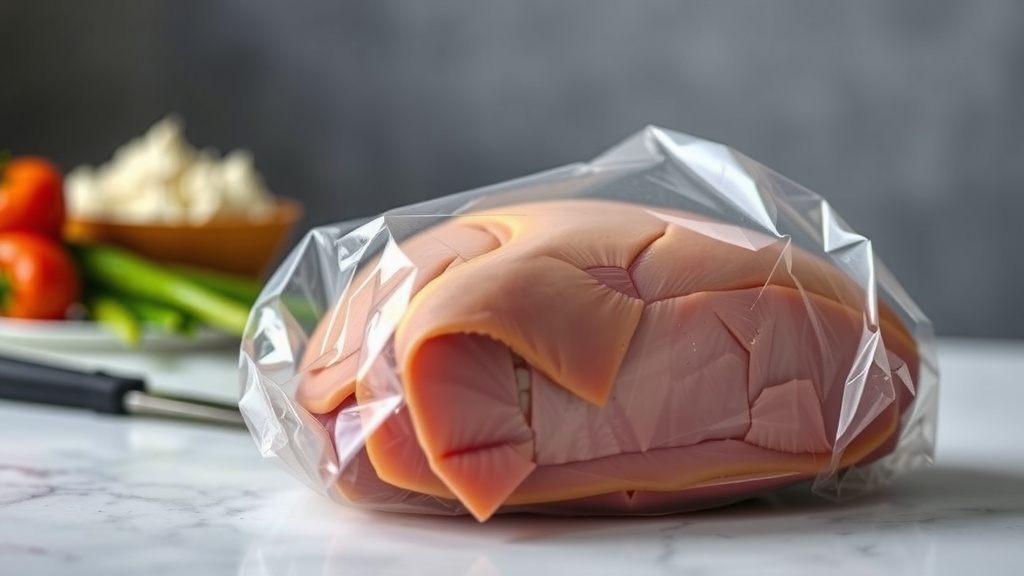
When you vacuum seal your ham, you remove most of the air. This prevents freezer burn and significantly slows down spoilage. It’s a fantastic way to preserve flavor and texture. Think of it as giving your ham a protective, airtight shield against the cold air.
- Vacuum-sealed ham lasts up to 12 months in the freezer for best quality.
- It remains safe to eat indefinitely if kept frozen at 0°F.
- Vacuum sealing prevents freezer burn and maintains flavor.
- Proper sealing is key to maximizing its freezer life.
We’ve gathered the most important details about freezing vacuum-sealed ham. Let’s get into what you need to know to keep your ham delicious for months to come.
Your Vacuum-Sealed Ham’s Freezer Lifespan Explored
You’ve got a ham, and you want to keep it delicious for a long time. Freezing is your best bet. When you use vacuum sealing, you’re essentially giving your ham a superhero cape. This seals out the bad guys like air and moisture. We found that this method is fantastic for preservation.
Understanding Freezer Storage Times
So, how long can that beautifully vacuum-sealed ham hang out in your freezer? The general consensus among food safety experts is quite encouraging. For the absolute best quality, you can expect your ham to stay delicious for up to 12 months. This means it will retain its flavor, texture, and overall appeal.
Beyond that 12-month mark, the ham doesn’t suddenly become unsafe. It just might not taste as fresh. Many guidelines suggest that if your ham is kept continuously frozen at 0°F (-18°C), it remains safe to eat indefinitely. Think of it as being in suspended animation. The cold stops any bacterial growth in its tracks (CDC).
Factors Affecting Ham’s Freezer Life
While vacuum sealing is a huge help, a few other things can influence how long your ham stays in prime condition. Temperature stability is key. Fluctuations can lead to ice crystals forming and thawing, which can impact texture.
You also want to ensure your freezer is running at the correct temperature. The USDA recommends keeping your freezer at 0°F (-18°C) or below. This is the magic number that ensures food safety and quality for extended periods.
The Role of Temperature Consistency
Imagine your freezer door is like a busy highway entrance. Every time it opens, cold air can escape, and warmer air can sneak in. For best results, try to keep these openings brief. This helps maintain that steady, freezing temperature your ham needs to stay happy.
How the Vacuum Seal Protects
Let’s talk about why that vacuum seal is so important. It removes almost all the air from the package. Air contains oxygen, which is a major player in the process of spoilage. It also causes that dreaded freezer burn, which leaves icy patches and dries out your food.
By removing the air, the vacuum seal prevents freezer burn. This means your ham won’t develop those unappetizing white or grayish-brown spots. It also helps lock in the moisture and flavor. It’s like giving your ham a personal bodyguard against the harsh freezer environment.
What Happens if Ham Isn’t Vacuum Sealed?
If you’re freezing ham that isn’t vacuum-sealed, you’ll notice a difference. Regular plastic wrap or freezer bags can let in more air. This makes your ham much more susceptible to freezer burn. You might find it develops that dry, leathery texture more quickly.
While still safe to eat if kept frozen, the quality will decline faster. We found that non-vacuum-sealed ham might only maintain peak quality for about 2-6 months, depending on the packaging and how often the freezer is accessed (USDA).
Comparing Freezer Storage Methods
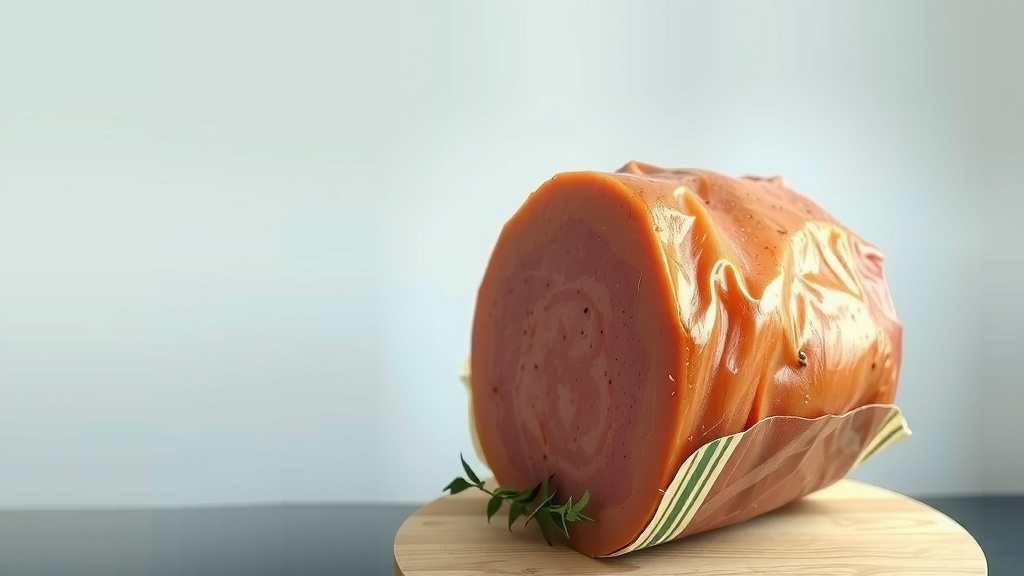
To give you a clearer picture, let’s look at how different methods stack up. It’s not just about safety; it’s about enjoying your ham at its best. We looked at common freezing techniques and their impact.
| Freezing Method | Best Quality Duration | Safety (Continuous Freeze at 0°F) |
|---|---|---|
| Vacuum Sealed | Up to 12 months | Indefinite |
| Heavy-Duty Freezer Bags (minimal air removed) | 4-6 months | Indefinite |
| Aluminum Foil/Plastic Wrap (tightly wrapped) | 2-4 months | Indefinite |
As you can see, vacuum sealing truly is the champion for preserving quality. The other methods still work for safety, but you might notice a dip in taste and texture sooner.
Tips for Maximizing Your Ham’s Freezer Life
Want to get the absolute most out of your frozen ham? A little care goes a long way. These steps will help ensure your ham stays delicious for as long as possible.
- Ensure your freezer temperature is consistently at 0°F (-18°C).
- Use high-quality vacuum seal bags designed for freezing.
- Label your ham with the date you froze it.
- Avoid over-packing the freezer, which can hinder air circulation.
- Try to minimize opening the freezer door.
Following these simple practices will give your vacuum-sealed ham the best possible chance to remain a tasty meal weeks, months, or even a year from now.
Conclusion
You now know that vacuum-sealed ham is a freezer champ! You can enjoy its best quality for up to a full year when properly frozen. Remember, while it stays safe indefinitely at 0°F, the flavor and texture are best within that first 12 months. That airtight seal is your best friend against freezer burn and spoilage. So go ahead and freeze that ham with confidence, knowing you’ve protected its deliciousness. Your next step? Make sure your freezer is set to 0°F and label those packages with the date!
Frequently Asked Questions
How can I tell if my vacuum-sealed ham is still good after a year?
Even after a year, vacuum-sealed ham is likely safe if continuously frozen. Look for signs of spoilage like a rancid smell or off-color when you unseal it. If it looks and smells fine, it’s probably okay to cook.
Does the type of ham matter for freezer life when vacuum-sealed?
Generally, the type of ham (like cured or smoked) doesn’t significantly alter the vacuum-sealed freezer lifespan. The key factor remains the effectiveness of the vacuum seal and consistent freezing temperatures.
What’s the best way to thaw vacuum-sealed ham after freezing?
The safest method is to thaw it slowly in the refrigerator. For faster thawing, you can submerge the sealed package in cold water, changing the water every 30 minutes. Never thaw at room temperature.
Can I refreeze ham that was vacuum-sealed but then thawed?
It’s generally not recommended to refreeze ham that has been fully thawed, especially if it was thawed outside of refrigeration. Quality can suffer, and there’s a higher risk of bacterial growth.
Is there any special preparation needed before vacuum-sealing ham for the freezer?
Ensure the ham is completely cool if it was cooked. For raw ham, make sure it’s dry to prevent ice crystals. Removing as much surface moisture as possible before sealing helps maintain the best texture.
![7 Best Handheld Vacuum For Car Detailing [2026]](https://bathroomexplorer.com/wp-content/uploads/2026/05/7-best-handheld-vacuum-for-car-detailing-2026-featured-768x432.jpg)