How Long Vacuum Sealed Steak Lasts in Freezer
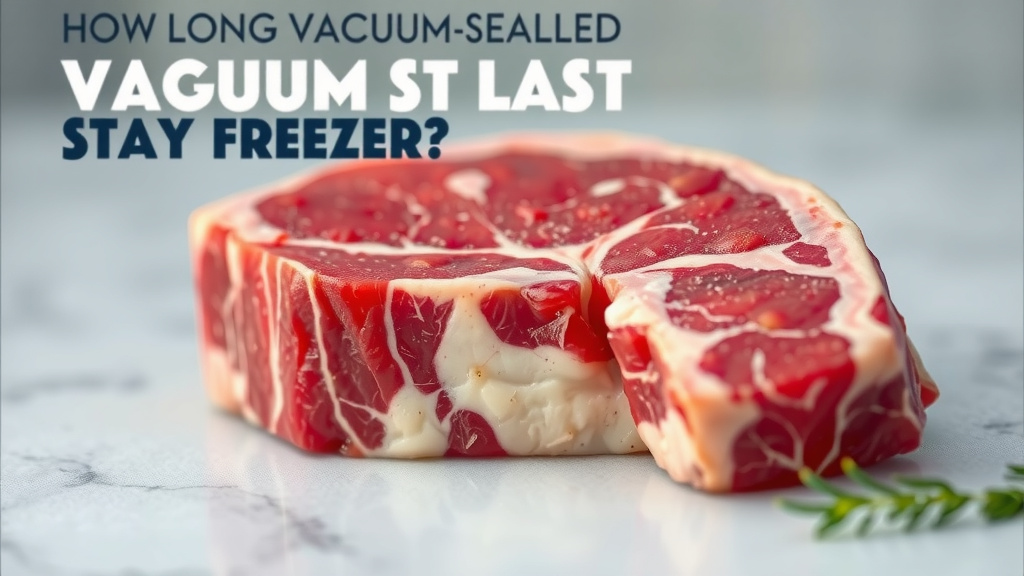
Vacuum sealed steak can last for a surprisingly long time in the freezer. Generally, when properly sealed and frozen, you can expect your steak to maintain its best quality for about 6 to 12 months. This method is fantastic for preserving flavor and preventing freezer burn.
Freezing steak using a vacuum sealer is one of the best ways to extend its life. It removes almost all the air, creating a barrier that protects the meat. This means your steak stays fresher, tasting closer to when you bought it, even after months in the cold.
- Vacuum sealing keeps steak fresh for 6-12 months.
- It’s the best way to prevent freezer burn.
- Proper sealing preserves original flavor and texture.
- Check for a good seal before freezing.
We’ve researched the best ways to keep your steaks delicious. Let’s go over what makes vacuum sealing so effective for freezing and how long you can truly expect your steak to last.
How Long Can Vacuum-Sealed Steak Stay Frozen?
You’ve probably wondered about the freezer lifespan of your vacuum-sealed steaks. If you’ve sealed them up right, you can expect your steaks to maintain their peak quality for about 6 to 12 months. This is a fantastic timeframe that allows for great meal planning. Keep in mind this is for quality, not safety. Properly frozen steak is safe to eat indefinitely, but the flavor and texture might start to decline after this window.
The Science Behind Vacuum Sealing and Freezing
So, what makes vacuum sealing such a superhero for your steaks in the freezer? It’s all about removing the air. Air is the enemy of frozen food. It can lead to something we all dread: freezer burn. This is where ice crystals form on the surface of the meat. They dehydrate the steak and create those unpleasant, oxidized flavors.
Preventing Freezer Burn Effectively
Vacuum sealing works by removing about 99.9% of the air from the packaging. This creates a tight barrier around your steak. Think of it like a personal, perfectly chilled bodyguard. This bodyguard prevents moisture from escaping the steak. It also stops oxygen from reaching the meat. Without oxygen, the processes that cause spoilage and flavor degradation slow way down. Many sources, like the USDA, highlight that removing air is key to preventing freezer burn and preserving food quality longer.
Maintaining Flavor and Texture
Beyond just stopping freezer burn, vacuum sealing helps keep the steak’s natural juices locked in. This means when you finally thaw and cook your steak, it will be much more tender and flavorful. You won’t have that dry, mushy texture that sometimes comes with poorly wrapped frozen meat. It’s like the steak is taking a long, refreshing nap in a perfectly preserved environment.
Factors Affecting Steak’s Freezer Life
While 6 to 12 months is a great general guideline, a few things can influence just how long your vacuum-sealed steak stays in its prime. It’s not just about the sealing machine; your freezer plays a role too!
Freezer Temperature Stability
The most important factor after sealing is your freezer’s temperature. For optimal preservation, your freezer should consistently be at 0°F (-18°C) or below. Fluctuations in temperature are what cause ice crystals to form and thaw, even within a sealed bag. If your freezer door is opened frequently, or if it’s an older model that struggles to maintain a steady temp, this can shorten the ideal storage time. We recommend using a freezer thermometer to keep an eye on things. A stable temperature is your best friend here.
Quality of the Initial Steak
It might seem obvious, but the quality of the steak before you seal and freeze it matters. A prime cut of fresh, high-quality steak will always freeze better and last longer in terms of enjoyable eating than a steak that was already nearing its expiration date. Always start with the freshest meat possible. Research from food science suggests that the initial microbial load and quality of raw meat significantly impact its frozen shelf life (Food Safety Magazine).
The Sealing Process Itself
Did you get a good seal? This is critical. A weak or incomplete seal will let air in, defeating the purpose of the vacuum sealer. You’ll want to double-check that the bag is completely sealed and that there are no leaks or weak points. Sometimes, moisture or fat can get on the sealing strip of your machine, which can prevent a proper seal. Keeping your machine clean is part of the process!
Comparing Vacuum Sealing to Traditional Methods
You might be asking, “Is vacuum sealing really that much better than just wrapping it in plastic wrap and foil?” The answer is a resounding yes, especially for longer-term freezing. Traditional methods are okay for short periods, but they just don’t offer the same level of protection.
Let’s look at how they stack up:
| Method | Typical Freezer Life (Quality) | Freezer Burn Protection | Flavor/Texture Preservation |
|---|---|---|---|
| Vacuum Sealing | 6-12 months | Excellent | Excellent |
| Heavy-Duty Freezer Wrap + Foil | 2-4 months | Good | Good |
| Plastic Freezer Bags (with air squeezed out) | 3-6 months | Fair to Good | Fair to Good |
As you can see, vacuum sealing truly shines when it comes to extending the life of your steak in the freezer while maintaining its delicious qualities. It’s an investment in enjoying your favorite cuts of meat long after purchase.
Why Other Methods Fall Short
When you wrap steak in plastic wrap and then foil, some air inevitably gets trapped. This air is your enemy. Even if you do a great job, it’s not a complete barrier. Freezer bags are better, but they often allow some air to seep in over time. Vacuum sealing removes that air initially and creates a much more impermeable barrier. We found that for anything longer than a few months, the difference is quite noticeable.
Tips for Maximizing Your Steak’s Freezer Life
Want to ensure your steaks are as good as the day you bought them, even months later? Follow these simple tips:
- Start with Freshness: Only vacuum seal steaks that are high quality and fresh.
- Portion Control: Seal steaks individually. This prevents you from having to thaw more than you need.
- Double-Check Seals: Always ensure your vacuum sealer created a tight, complete seal.
- Label Clearly: Date your packages! This helps you track how long they’ve been in the freezer.
- Freeze Quickly: Place sealed steaks in the coldest part of your freezer immediately after sealing.
- Maintain Freezer Temp: Keep your freezer at 0°F (-18°C) or below. Check it periodically.
By following these steps, you’re setting your steaks up for a long, delicious journey in your freezer. It’s about being smart with your food and enjoying it to the fullest!
Conclusion
You now know that vacuum-sealed steak can maintain its best quality in the freezer for 6 to 12 months. This method is your secret weapon against freezer burn and flavor loss. By removing air and maintaining a stable, cold temperature, you’re preserving your steak’s deliciousness. Remember to always start with fresh meat and double-check your seals. Ready to maximize your freezer’s potential? Your next step is to grab some vacuum seal bags and start preserving those fantastic cuts of meat!
Frequently Asked Questions
How can I tell if my vacuum-sealed steak has gone bad?
Even vacuum-sealed steaks can spoil if the seal is compromised or if they are left out. Look for any signs of the bag being bloated, which indicates gas buildup from bacteria. Also, check for off-putting odors or slimy texture once you thaw it, as these are clear signs of spoilage.
Can I freeze steak for longer than a year if it’s vacuum-sealed?
While vacuum-sealed steak is safe to eat indefinitely if kept frozen at 0°F (-18°C), its peak quality typically lasts 6 to 12 months. Beyond that, you might notice a decline in texture and flavor, even with a perfect seal. For the best eating experience, aim to consume it within that recommended timeframe.
What if I don’t have a vacuum sealer? Can I still freeze steak long-term?
Yes, you can. While not as effective as vacuum sealing, you can use heavy-duty freezer bags. Squeeze out as much air as possible before sealing. You can also try the water displacement method with regular freezer bags. However, be aware that these methods offer less protection against freezer burn and may shorten the optimal storage time compared to vacuum sealing.
Does the type of steak matter for freezer life?
Generally, the cut of steak doesn’t significantly change the vacuum-sealed freezer lifespan in terms of safety or even quality preservation. What matters more is the initial quality of the meat, how well it was sealed, and your freezer’s temperature stability. High-quality, fresh steaks will always yield better results after freezing.
Do I need to do anything special after thawing vacuum-sealed steak?
Once thawed, it’s best to cook your vacuum-sealed steak soon. While the sealing process helps, once the bag is opened and the steak is exposed to air, it begins to degrade faster. Cook it within a day or two for the best flavor and texture. Ensure it’s cooked thoroughly to safe internal temperatures.
![7 Best Lightweight Cordless Vacuum Cleaner For Elderly [2026]](https://bathroomexplorer.com/wp-content/uploads/2026/06/7-best-lightweight-cordless-vacuum-cleaner-for-elderly-2026-featured-768x432.jpg)