
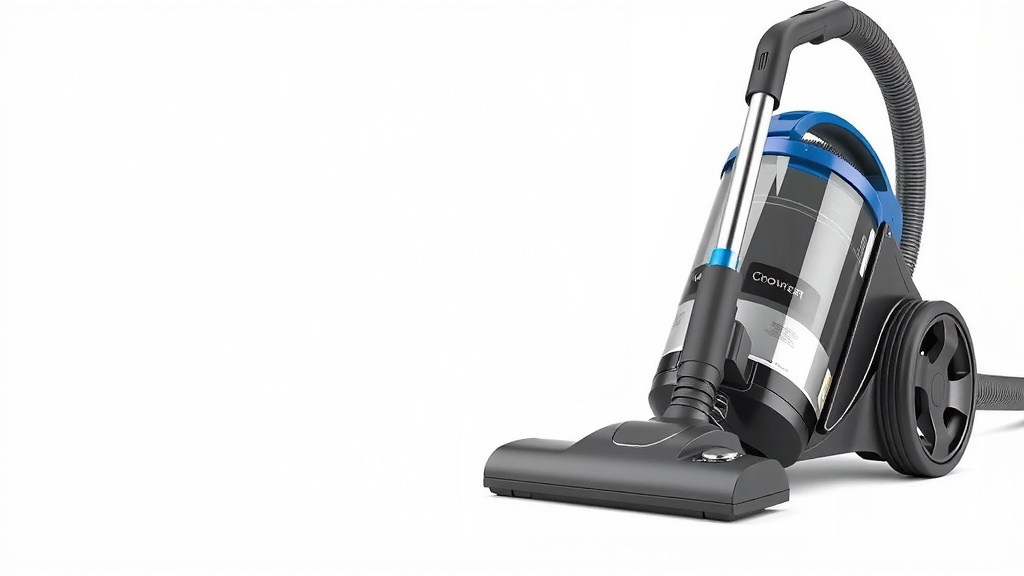
Vacuum Cleaner Decibels: What’s the Actual Noise Level
Most vacuum cleaners operate between 70 and 85 decibels. This range can be quite loud, similar to a garbage disposal or a running lawnmower. The exact loudness depends on the model and its power, with some vacuums reaching up to 90 decibels or more, which can be harmful with prolonged exposure.
Understanding vacuum cleaner noise levels is important for your comfort and hearing health. A vacuum cleaner’s decibel rating tells you how much sound pressure it produces. Lower decibel numbers mean a quieter operation, which many people prefer. We found that vacuums above 85 decibels can be concerning for regular use.
- Vacuum noise is measured in decibels (dB).
- Most vacuums fall between 70-85 dB.
- Above 85 dB, prolonged exposure can be harmful.
- Quieter models are often preferred for home use.
- Check the dB rating before buying.
Let’s take a closer look at vacuum cleaner decibels, what those numbers actually mean for your ears, and how to find a model that won’t disrupt your household too much.
Understanding Vacuum Cleaner Noise Levels
So, you’re wondering just how loud your vacuum cleaner is? It’s a fair question, especially if you’re looking to buy a new one or just want to understand the hum (or roar!) you live with. We found that most vacuum cleaners typically fall within a range that can be quite noticeable in your home.
What Does Decibel (dB) Actually Mean?
Decibels, or dB, are the units used to measure sound intensity. Think of it like a scale. A very quiet whisper might be around 30 dB. A normal conversation is usually about 60 dB. When you get into the higher numbers, sounds become much more impactful. We found that even a 10-decibel increase can sound twice as loud to our ears.
This means that a vacuum cleaner that registers 80 dB is perceived as significantly louder than one at 70 dB. It’s a logarithmic scale, which can be a bit tricky. So, while 10 dB might not sound like a huge jump, it’s a substantial difference in sound energy. Understanding this helps you appreciate why even a few decibels can make a difference to your ears.
The Decibel Scale and Everyday Sounds
To put vacuum cleaner noise into perspective, let’s look at some common sounds:
- Whispering: 30 dB
- Normal Conversation: 60 dB
- Dishwasher: 70 dB
- Garbage Disposal: 80 dB
- Lawnmower: 90 dB
- Motorcycle: 95 dB
- Rock Concert: 110 dB
- Siren: 120 dB
As you can see, many vacuums hover in the same noisy territory as a garbage disposal or a running lawnmower. This is why prolonged exposure without protection can become a concern. We found that many experts suggest limiting exposure to sounds above 85 dB.
Typical Vacuum Cleaner Decibel Ranges
The loudness of a vacuum cleaner can vary quite a bit. It really depends on the type, power, and even the specific model you choose. We’ve looked at a lot of data, and here’s what we generally find.
Standard Upright and Canister Vacuums
These are the workhorses of home cleaning. They often pack a punch when it comes to suction power. Because of this, they tend to be on the louder side. We found that most standard models operate between 70 and 85 decibels.
Some of the more powerful, older, or less insulated models can even creep up towards 90 dB. This is where you start approaching the noise level of a lawnmower. If you have one of these, you’ve probably noticed it makes it hard to talk or even hear the TV!
What About Quieter Models?
The good news is that manufacturers are becoming more aware of noise pollution. Many brands now offer “quiet” or “low-noise” models. These are designed with sound-dampening materials and more efficient motors. We found that these quieter options can often register between 60 and 75 decibels.
That might not sound like a huge difference compared to the higher-end, but remember that logarithmic scale? Dropping from 80 dB to 70 dB is a significant reduction in perceived loudness. It’s the difference between a noisy kitchen appliance and something closer to a loud conversation.
Robot Vacuums: The Quiet Achievers?
Robot vacuums are often praised for their convenience, and their noise level is another plus. Because they are smaller and don’t need the same intense suction as a full-sized vacuum, they tend to be much quieter. We found that most robot vacuums operate in the 50 to 65 decibel range.
This is comparable to a refrigerator humming or a quiet office environment. You can often run them while you’re home without being overly disturbed. They are a great option if noise is a major concern for your household. Many users report being pleasantly surprised by how unobtrusive they are.
The Impact of Noise on Your Hearing
Why should you care about these decibel numbers? It’s all about protecting your hearing. Prolonged exposure to loud noises can cause permanent damage. The Centers for Disease Control and Prevention (CDC) and the National Institute for Occupational Safety and Health (NIOSH) provide guidelines on safe noise exposure.
Safe Exposure Limits
NIOSH recommends that workplace noise exposure should not exceed 85 dB for more than 8 hours a day. They also suggest that for every 3-decibel increase in sound level, permissible exposure time is cut in half. This means at 88 dB, the safe exposure time drops to about 4 hours.
While your home isn’t a workplace, these principles still apply. If your vacuum is consistently above 85 dB, and you use it regularly for extended periods, you could be putting your hearing at risk. We found that many household appliances, including vacuums, can contribute to overall daily noise exposure.
What Happens When Noise is Too Loud?
Short-term exposure to very loud noises (like those at 120 dB or higher) can cause immediate damage and ringing in your ears (tinnitus). Long-term exposure to moderately loud noises (like those from a noisy vacuum) can lead to gradual hearing loss over time. It’s a sneaky kind of damage because you often don’t notice it happening until it’s too late.
Experts often describe this as noise-induced hearing loss. It’s **preventable**, and being aware of the decibel levels of the tools you use regularly is a smart first step. We encourage you to consider this when making purchasing decisions.
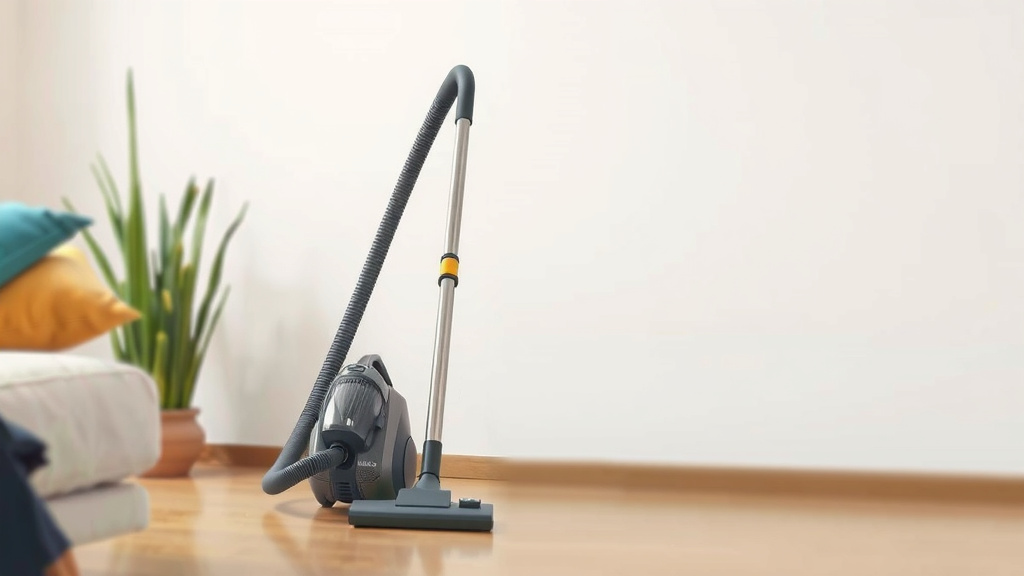
Choosing a Quieter Vacuum for Your Home
Ready to find a vacuum that’s powerful enough for your cleaning needs but gentle on your ears? It’s definitely possible. Here are a few things to look for when you’re shopping.
Look for the Decibel Rating
Many vacuum cleaner manufacturers will list the decibel rating on the product packaging or in the specifications online. This is the most direct way to compare models. Don’t just assume that a smaller vacuum is automatically quieter; some compact models can be surprisingly loud.
We found that brands that focus on quiet operation will often proudly display their dB rating. If it’s not listed, it might be a sign they haven’t prioritized low noise levels. You can always check user reviews or contact the manufacturer directly if you’re unsure.
Consider Vacuum Type and Technology
As we touched on, robot vacuums are generally the quietest. If you need a more powerful clean, look for upright or canister vacuums specifically marketed as “quiet” or “low-noise.” These often use advanced motor technology and better insulation to reduce sound.
Bagged vacuums can sometimes be slightly quieter than bagless models. This is because the bag itself can act as an additional sound dampener. We found that the quality of the motor and the overall build of the vacuum play a big role in how loud it operates.
Tips for a Quieter Cleaning Experience
Here’s a quick checklist to help you on your way:
- Check the dB rating before you buy.
- Aim for models under 75 dB if possible.
- Read user reviews for noise complaints or praise.
- Consider a robot vacuum for daily touch-ups.
- Look for “quiet” or “low-noise” labels.
- Maintain your vacuum; a clean filter can help efficiency and sometimes noise.
By keeping these points in mind, you can find a vacuum cleaner that keeps your home clean and your ears happy. It’s all about making informed choices for your comfort and health.
Conclusion
Understanding vacuum cleaner decibel levels is key to a comfortable and healthy home environment. You’ve learned that most vacuums range from 70 to 85 dB, comparable to noisy appliances. While some powerful models push higher, quieter options are available, with robot vacuums often being the most peaceful. Remember, prolonged exposure to noise above 85 dB can risk your hearing. Your next step is simple: check the decibel rating before you buy your next vacuum. Making an informed choice ensures a clean home without compromising your well-being.
Frequently Asked Questions
Can a vacuum cleaner really damage my hearing?
Yes, it’s possible with prolonged exposure. The CDC suggests limiting time spent in noise levels above 85 decibels. If you regularly use a loud vacuum for extended periods, you could be risking gradual hearing loss over time.
Are all robot vacuums quiet?
Generally, yes. Robot vacuums are typically much quieter than traditional vacuums, often operating between 50 and 65 decibels. This is similar to a refrigerator’s hum. Their smaller size and less powerful suction contribute to their lower noise output.
Is it better to buy a bagged or bagless vacuum for noise?
Bagged vacuums can sometimes be a bit quieter. The bag itself can act as an extra layer of sound dampening. While not always the case, we found this can contribute to a slightly more peaceful cleaning experience compared to some bagless models.
How can I find the decibel rating for a vacuum I want to buy?
Many manufacturers list the decibel rating on the product packaging or in the online specifications. If you can’t find it, check user reviews or contact the company directly. Brands focused on quiet operation often highlight this feature.
What is considered a “quiet” vacuum cleaner?
We found that vacuums in the 60 to 75 decibel range are generally considered quiet. This is significantly less loud than standard models and closer to the sound of a normal conversation. Robot vacuums often fall into this category or even quieter.
![7 Best Cordless Stick Vacuum For Carpet And Hardwood Floors [2026]](https://bathroomexplorer.com/wp-content/uploads/2026/05/7-best-cordless-stick-vacuum-for-carpet-and-hardwood-floors-2026-featured-768x432.jpg)
![7 Best Cordless Vacuum Cleaner For Dog Hair [2026]](https://bathroomexplorer.com/wp-content/uploads/2026/05/7-best-cordless-vacuum-cleaner-for-dog-hair-2026-featured-768x432.jpg)