Vacuum Cleaner Amps: How Much Power Do They Use
A typical vacuum cleaner uses between 6 and 12 amps of electricity. This might sound like a lot, but it’s perfectly normal for a household appliance. You’ll find that most vacuums fall within this amp range, making them safe for standard home outlets. Understanding your vacuum’s amp usage helps you manage your home’s electrical load effectively.
The actual amperage can vary based on your vacuum’s power and features. For instance, a powerful upright vacuum may draw more amps than a small handheld model. Many manufacturers design their vacuums to work efficiently with common household circuits, so you usually don’t need to worry about overloading things. We found that this amp rating is key to understanding its energy needs.
- Most vacuums draw 6-12 amps.
- Higher-powered models use more amps.
- Vacuums are designed for standard outlets.
- Amperage impacts your home’s electrical use.
- Check your vacuum’s label for its exact rating.
Ready to learn more about vacuum cleaner amps? Below, we’ll break down what this means for your home and how to keep your cleaning routine running smoothly.
Understanding Your Vacuum’s Power Needs
So, you’re curious about how much electricity your trusty vacuum cleaner actually uses, right? It’s a smart question to ask! Most vacuum cleaners will fall within the 6 to 12 amp range. This means they are designed to run on standard 120-volt household circuits without any fuss. You’re not plugging in a small appliance; vacuums are built for that mid-level power draw.
Think of amps like the “thirst” for electricity. A more powerful vacuum cleaner, like a heavy-duty upright with a strong motor and lots of fancy attachments, will naturally need more amps to do its job. Conversely, a small handheld vacuum for quick cleanups will sip less power. We found that manufacturers carefully engineer these machines to balance cleaning performance with the electrical capabilities of most homes.
What Exactly Are Amps?
Let’s quickly touch on what amps (amperes) represent. In simple terms, amps measure the rate of electrical current flowing through a circuit. It’s like the amount of water flowing through a pipe. More amps mean more electricity is moving, which is needed for more powerful tools like your vacuum.
This is different from volts, which is the electrical pressure. Household outlets in the US typically provide about 120 volts. The amps are what your vacuum actually pulls from that pressure to operate its motor and other components. So, when you see that 7-amp rating, it tells you how much electrical “flow” your vacuum needs to get going.
Factors Influencing Vacuum Cleaner Amperage
Several things can cause the amperage of your vacuum to go up or down. It’s not a one-size-fits-all situation. Let’s look at what makes some vacuums hungrier for power than others.
Motor Size and Power
The heart of any vacuum is its motor. A larger, more robust motor designed for deep cleaning carpets or tackling tough debris will naturally require more power, translating to a higher amp draw. Think of it like a car engine; a V8 engine needs more fuel than a four-cylinder.
We found that vacuums with powerful suction capabilities often have motors that use more amps. This is essential for pulling dirt and debris from deep within carpet fibers or from hard surfaces. If you have pets or high-traffic areas, you might find yourself with a vacuum that leans towards the higher end of the amp spectrum.
Features and Attachments
Beyond the main motor, other features can also add to the amp usage. Does your vacuum have powered brush rolls that spin aggressively? Are there built-in attachments that use their own mini-motors, like a handheld turbo brush? These extras, while convenient, all contribute to the vacuum’s overall electrical demand.
Some high-end models might even include features like on-board heating elements for steam cleaning or specialized filtration systems that require extra power. While these are fantastic for cleaning, they do mean your vacuum will pull a bit more juice from the wall. We found that vacuums with more bells and whistles tend to have slightly higher amp ratings.
Type of Vacuum Cleaner
The physical form of your vacuum cleaner also plays a role. You’ll notice different amp requirements across various types:
- Upright Vacuums: These are often the workhorses of home cleaning and tend to have stronger motors for deep carpet cleaning. We typically see them using anywhere from 7 to 12 amps.
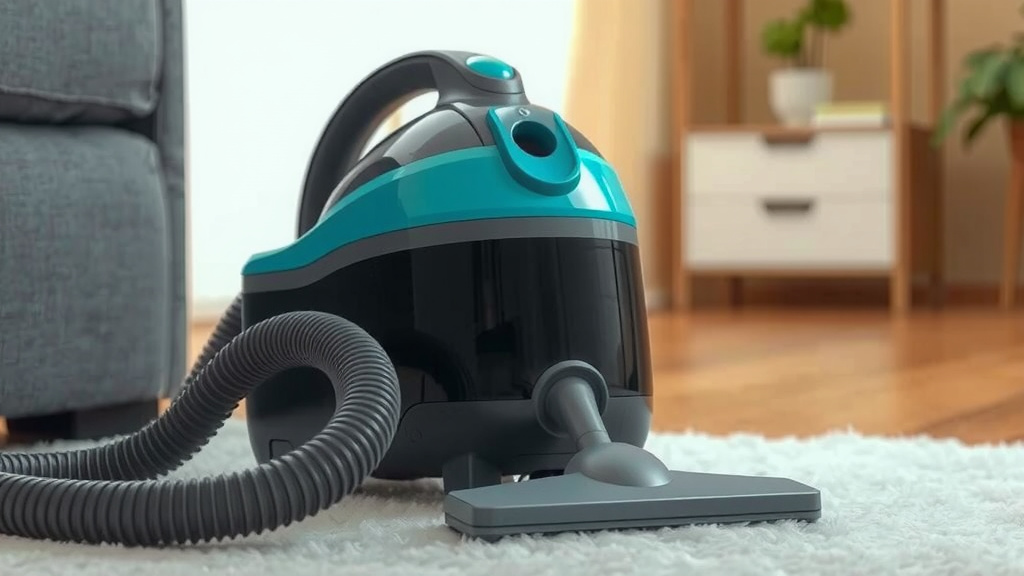
- Canister Vacuums: Similar to uprights, but the motor and dustbin are separate. Their amp draw is comparable, usually in the 6 to 11 amp range, depending on power.
- Stick Vacuums: These are generally lighter and less powerful than uprights, designed for quick cleanups. They often use fewer amps, sometimes as low as 4 to 7 amps.
- Handheld Vacuums: The smallest of the bunch, these are for spot cleaning and usually draw the least power, often between 2 to 5 amps.
- Robotic Vacuums: These use very little power, typically around 1 to 3 amps, as they have small motors and are designed for low-power, continuous operation.
Amperage and Your Home’s Electrical System
Now, let’s talk about how your vacuum’s amp usage fits into your home’s electrical setup. It’s not just about the vacuum; it’s about how it interacts with your home’s wiring.
Understanding Household Circuits
Standard household circuits in the US are typically rated for 15 or 20 amps. This is a very important number to keep in mind. Your vacuum cleaner, drawing 6 to 12 amps, is well within the safe operating limits for these circuits. You’re not overloading them just by plugging in your vacuum.
However, it’s wise to be aware of what else is running on the same circuit. If you have a 15-amp circuit, and you plug in a 10-amp vacuum, you only have 5 amps left for anything else on that same circuit. Running multiple high-draw appliances on one circuit simultaneously can potentially trip a breaker. We found that common sense is key here; avoid running your vacuum alongside a microwave or a toaster on the same circuit if possible.
What Happens If You Overload a Circuit?
If you do happen to draw more amps than a circuit is designed to handle, the circuit breaker will trip. This is a safety feature designed to prevent overheating and potential fires. You’ll notice the power cutting out in that area of your home. It’s your home’s electrical system telling you, “Whoa there, too much power being used at once!”
Don’t panic if this happens! Simply unplug some of the devices on that circuit, and then you can reset the breaker. This is a good reminder to spread out your appliance usage. For instance, if your vacuum trips the breaker, try plugging it into an outlet on a different circuit.
The Role of Wattage
Sometimes you might see wattage ratings instead of amps. Wattage is simply the total power your vacuum uses. You can easily calculate it using a simple formula: Watts = Volts x Amps. So, a 10-amp vacuum running on a 120-volt circuit uses 1200 watts (10 x 120 = 1200).
Knowing both amps and watts can be helpful. While amps tell you about the current draw (important for circuit load), watts give you a broader picture of the overall energy consumption. Many manufacturers are starting to label their vacuums with wattage, which can be easier for some people to understand.
Where to Find Your Vacuum’s Amp Rating
Want to know your vacuum’s specific amp usage? You don’t need to be an electrical engineer! Manufacturers are required to label their products with this information. You’ll typically find the amp rating on a small sticker or plate on the vacuum itself. Look for it near the power cord, on the bottom, or on the back of the unit. It’s usually clearly marked as “Amps” or “A”.
If you can’t find it on the vacuum, check your owner’s manual. It will almost certainly list the electrical specifications. We found that most users can easily locate this information within a minute or two. Knowing this number is your best bet for understanding your vacuum’s power needs.
Quick Checklist: Is Your Vacuum’s Power Usage Okay?
- Check the label on your vacuum for its amp rating.
- Note the amperage of other appliances running on the same circuit.
- Ensure your vacuum’s amps are well below your circuit breaker’s limit (e.g., under 15 or 20 amps).
- If a breaker trips, try moving the vacuum to a different outlet.
- Consider older vacuums may draw more amps than newer, energy-efficient models.
- Handheld and stick vacuums generally use fewer amps than full-sized units.
Conclusion
Understanding your vacuum cleaner’s amp usage is key to keeping your home clean and your electrical system safe. We’ve learned that most vacuums operate within a 6 to 12 amp range, designed for standard household circuits. Factors like motor size, features, and the type of vacuum all influence its power draw. By checking your vacuum’s label and being mindful of other appliances on the same circuit, you can prevent tripped breakers.
Your next step? Take a quick look at your vacuum’s tag. Knowing its amp rating puts you in control of your cleaning power. It’s a simple step that ensures your vacuum works efficiently for years to come.
Frequently Asked Questions
Can I plug my vacuum cleaner into any outlet?
Yes, typically you can. Most vacuums are designed to work with standard 120-volt household outlets. However, you should avoid plugging in too many high-power devices on the same circuit. We found that this prevents overloading and tripping your circuit breaker.
What does it mean if my vacuum cleaner trips a circuit breaker?
It means the circuit is handling more amps than it’s designed for. This is a safety feature to prevent overheating. Simply unplug some devices on that circuit, and then reset the breaker. You may need to plug your vacuum into an outlet on a different circuit.
How are amps different from watts?
Amps measure the rate of electrical current flow, while watts measure the total electrical power used. You can calculate wattage by multiplying volts by amps (Watts = Volts x Amps). Both numbers help you understand your vacuum’s energy needs.
Do older vacuum cleaners use more amps than new ones?
Often, yes. Older models might not have the same energy efficiency standards as newer vacuums. While they might still be within safe limits, they could draw more amps. Newer models are often designed to be more power-conscious.
Is a 10-amp vacuum cleaner a lot?
A 10-amp vacuum cleaner is within the typical range, which we found to be between 6 and 12 amps. It’s considered a moderate power draw for a household vacuum. It should work fine on a standard 15 or 20-amp circuit, but be mindful of what else is running on that same circuit.
![7 Best Handheld Vacuum Cleaner For Sofa [2026]](https://bathroomexplorer.com/wp-content/uploads/2026/05/7-best-handheld-vacuum-cleaner-for-sofa-2026-featured-768x432.jpg)
![7 Best Cordless Vacuum For Long Pet Hair [2026]](https://bathroomexplorer.com/wp-content/uploads/2026/05/7-best-cordless-vacuum-for-long-pet-hair-2026-featured-768x432.jpg)